
Application Of Spectral Technology In Seed

Download click me
1. Introduction to seed testing
1.1 The importance of seeds
Seeds play a vital role in agricultural production. They are the starting point for crop growth and reproduction, and determine the yield, quality and stress resistance of crops. High-quality seeds can not only increase the growth rate of crops, but also enhance their resistance to pests and diseases, reduce the use of pesticides and fertilizers, and thus protect the ecological environment. The seed structure consists of embryo, endosperm, etc. The moisture content of seeds and other parameters have a certain impact on the activity of seeds.



① Cleanness: It evaluates the cleanliness of seeds, that is, the proportion of seeds without impurities or inclusions.
② Purity: refers to the percentage of seeds that meet the characteristics of the variety in the tested seeds
③ Germination rate: refers to the percentage of the number of tested seeds that germinate within a specified number of days to the total number of tested seeds
④ Seed vitality: When it is urgent to understand the seed germination rate in a short period of time or when some samples still have a large number of dormant seeds at the end of germination, the biochemical method of vitality can be used to quickly estimate the vitality of seeds. Use 2,3,5-triphenyl tetrazolium chloride (abbreviated as tetrazolium, TTC) colorless solution as an indicator. After being absorbed by the living tissue of the seed, this indicator accepts hydrogen in the dehydrogenase of the living cells and is reduced to a red, stable, non-diffusible and water-insoluble phenyl formamide. Based on this, the staining reaction of the embryo and endosperm tissue can be used to distinguish between viable and non-viable seeds.
⑤ Water content determination
⑥ Enzyme activity
Correlation between seed chemical composition and seed vitality:
① Starch: The starch content has an obvious linear relationship with its germination time.
② Protein: In recent years, it has been found that there is a high correlation between seed vitality and protein content
③ Fat: Studies have shown that under aging treatment (natural aging, artificial aging) conditions, the internal crude fat content of soybean seeds and the vitality indicators such as seed germination potential, germination rate and germination index are all significantly positively correlated.
④ Enzyme: Enzyme is a biochemical regulator during seed germination. The conversion of each substance requires the guidance of enzymes. The conversion of each chemical component into nutrients required for seed germination is inseparable from the influence of enzymes. The activity of enzymes in seeds and their effects on seed germination and stress resistance.
⑤ Fatty acids: There is a significant negative correlation between seed vitality and fatty acid values.
⑥ Plant hormones: Different hormones can be added according to actual needs and the concentration of hormones can be appropriately adjusted to directly affect seed germination and seedling growth, improve seed vitality, and ultimately achieve the purpose of serving production.
⑦ Minerals: Using appropriate low-concentration trace element solution to pre-treat seeds has a positive effect on promoting seed germination, enhancing seed vitality and thus ensuring the field emergence rate.
2. Methods of non-destructive testing (seed)
2.1 Principle
As the key data of agricultural production, the non-destructive testing of seed quality has always been a hot topic in the field of non-destructive testing of agricultural products. It focuses on the detection of seed content, variety classification, disease detection, pest detection, mold infection detection, germination ability detection and transgenic detection.
1.2 Chemical composition of seeds
Crop seeds mainly contain chemical components such as sugars, lipids, and proteins. Their chemical components are closely related to seed quality and are important reference indicators for seed quality grading. At the same time, screening parents with high nutritional value is the key work of breeders in breeding new varieties. Non-destructive and efficient acquisition of seed chemical component information helps to speed up the breeding process of superior varieties, thereby shortening the breeding cycle.
1.3 Seed testing scheme
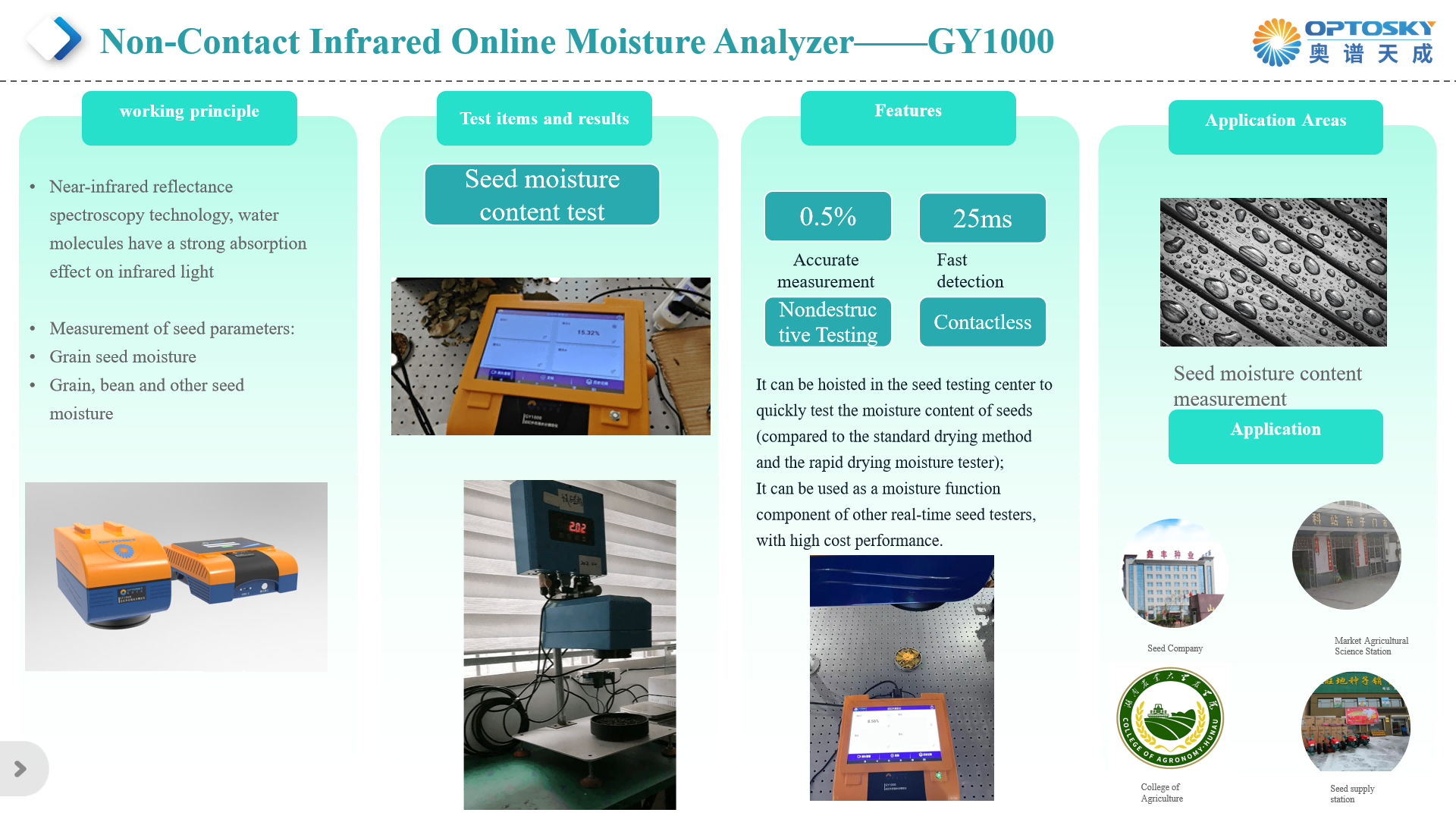
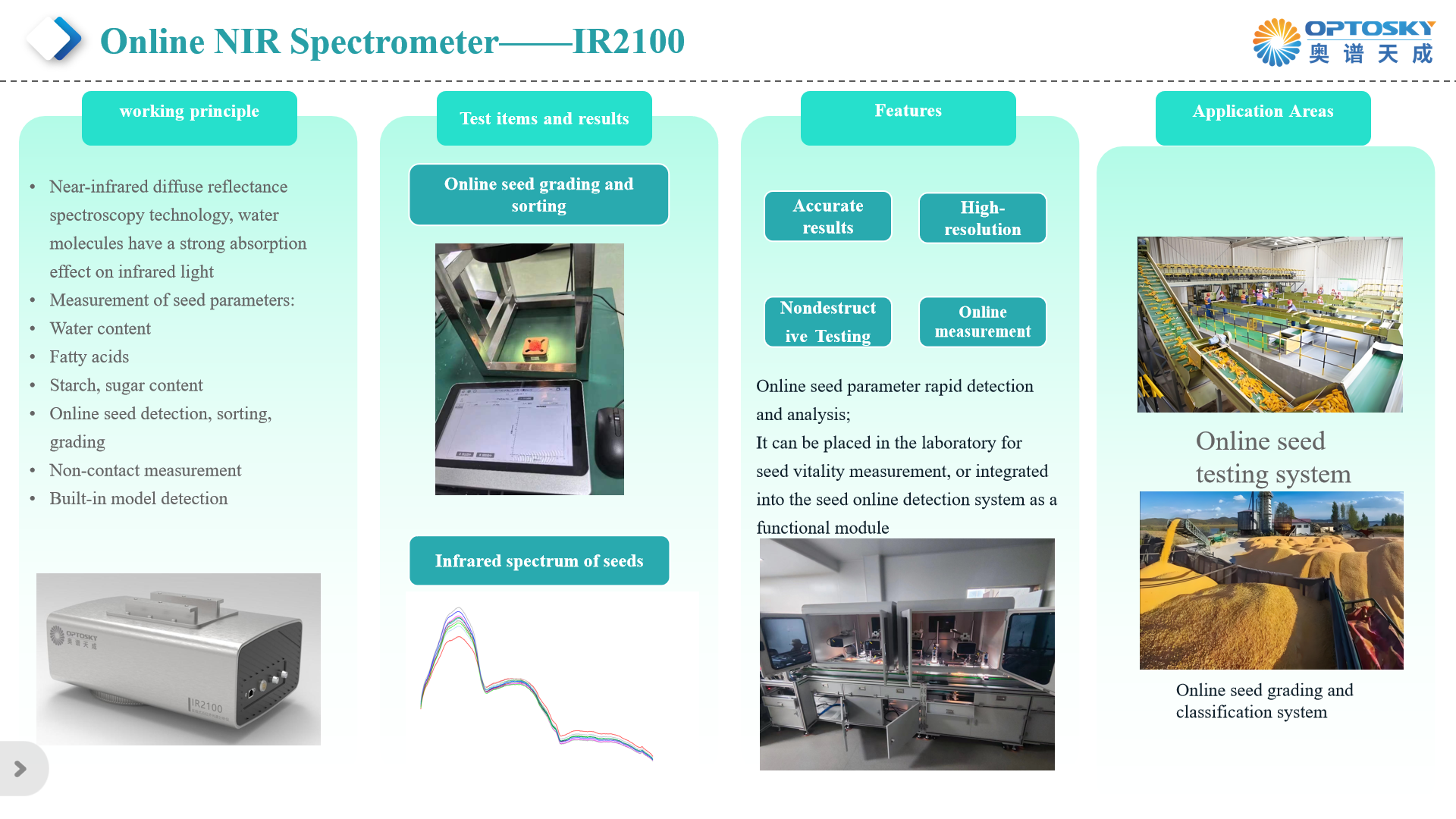
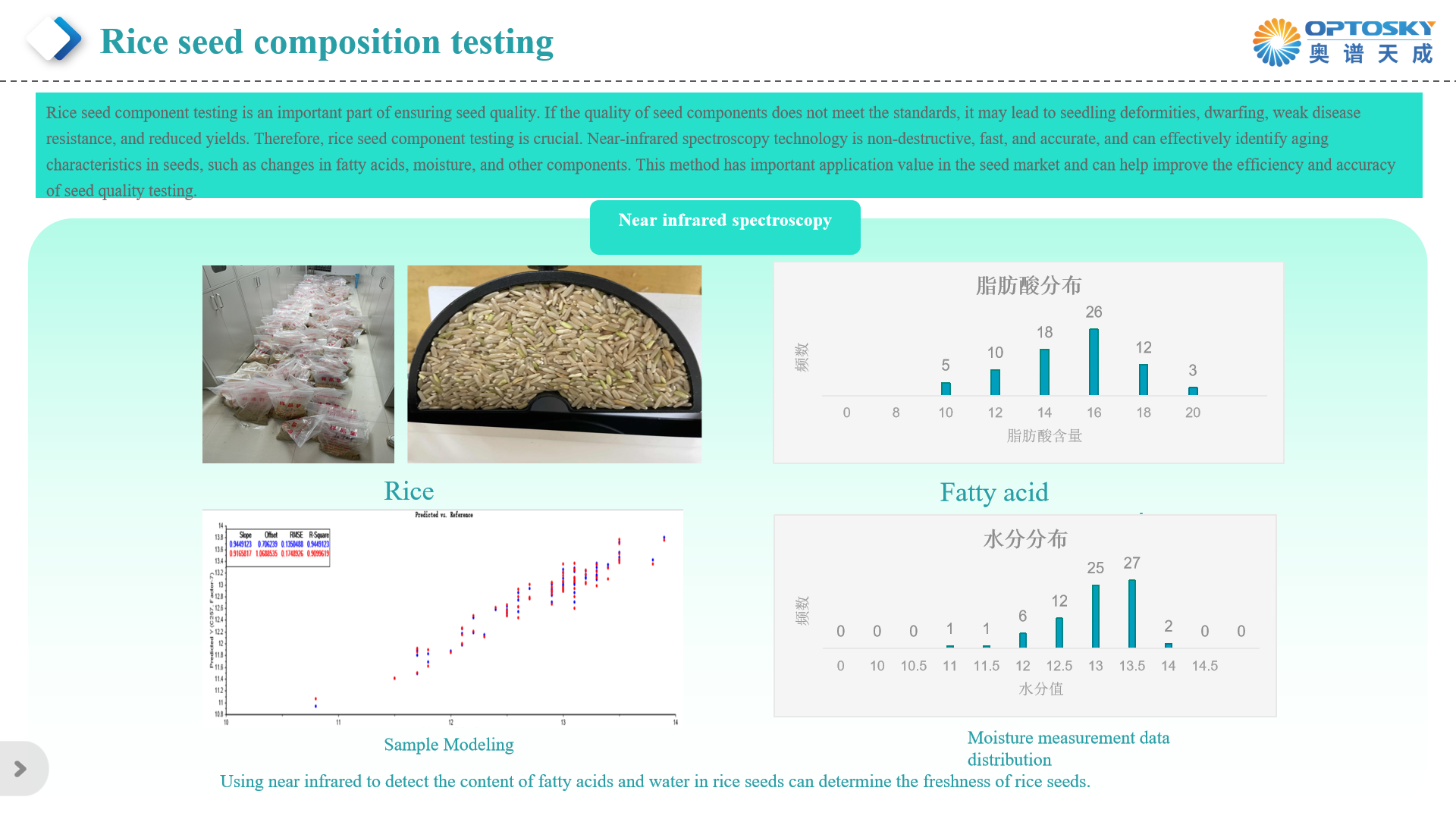
① NIR spectroscopy (IR Spectrometer + NIR Analyzer)
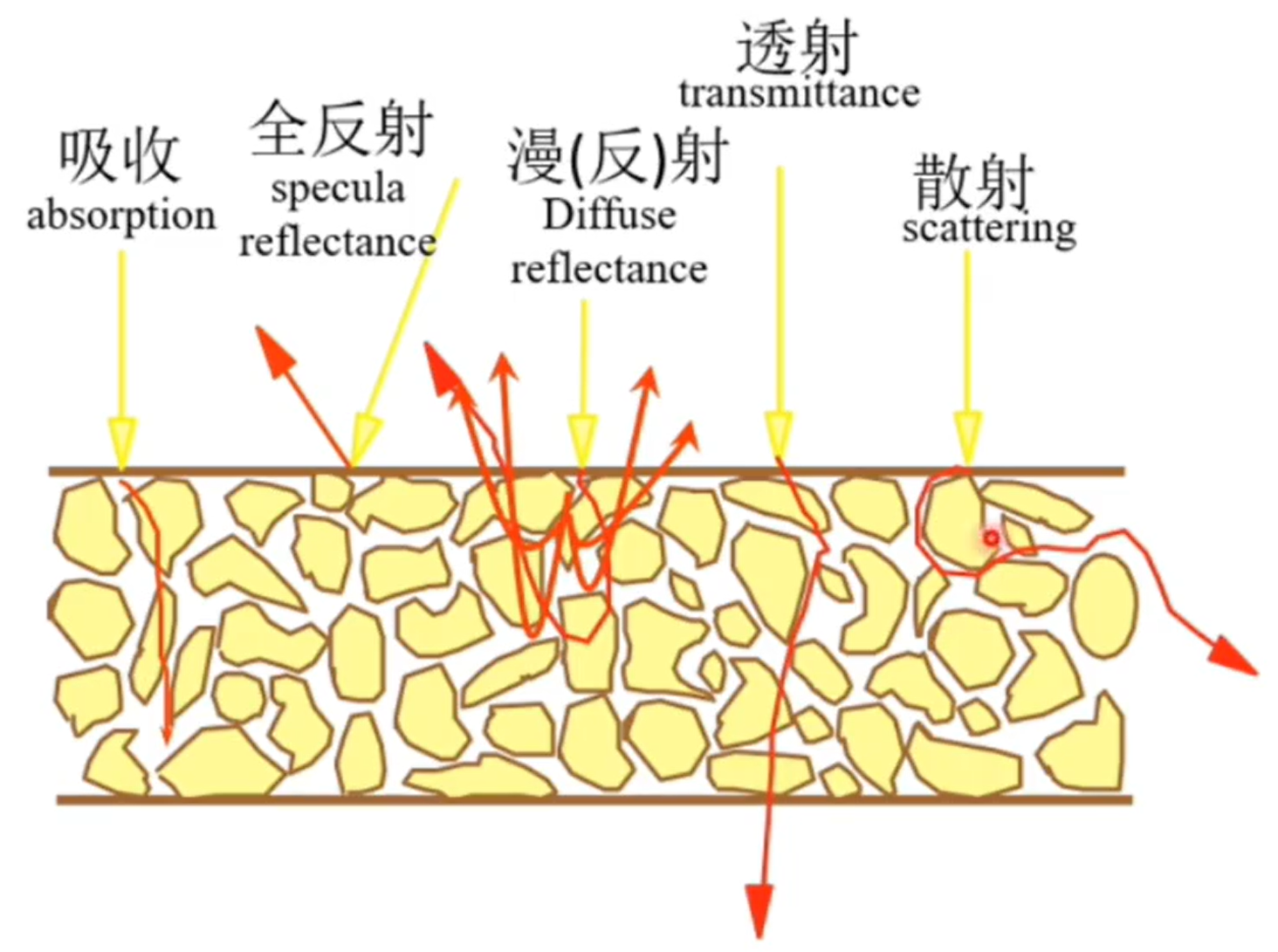
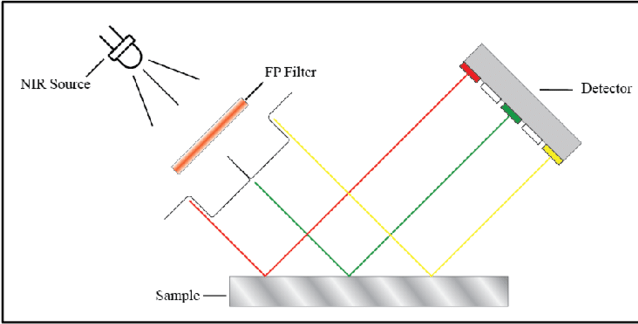
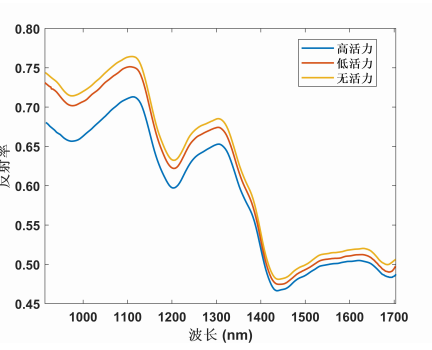
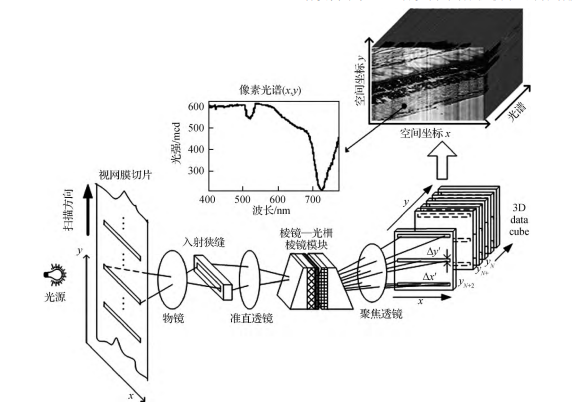
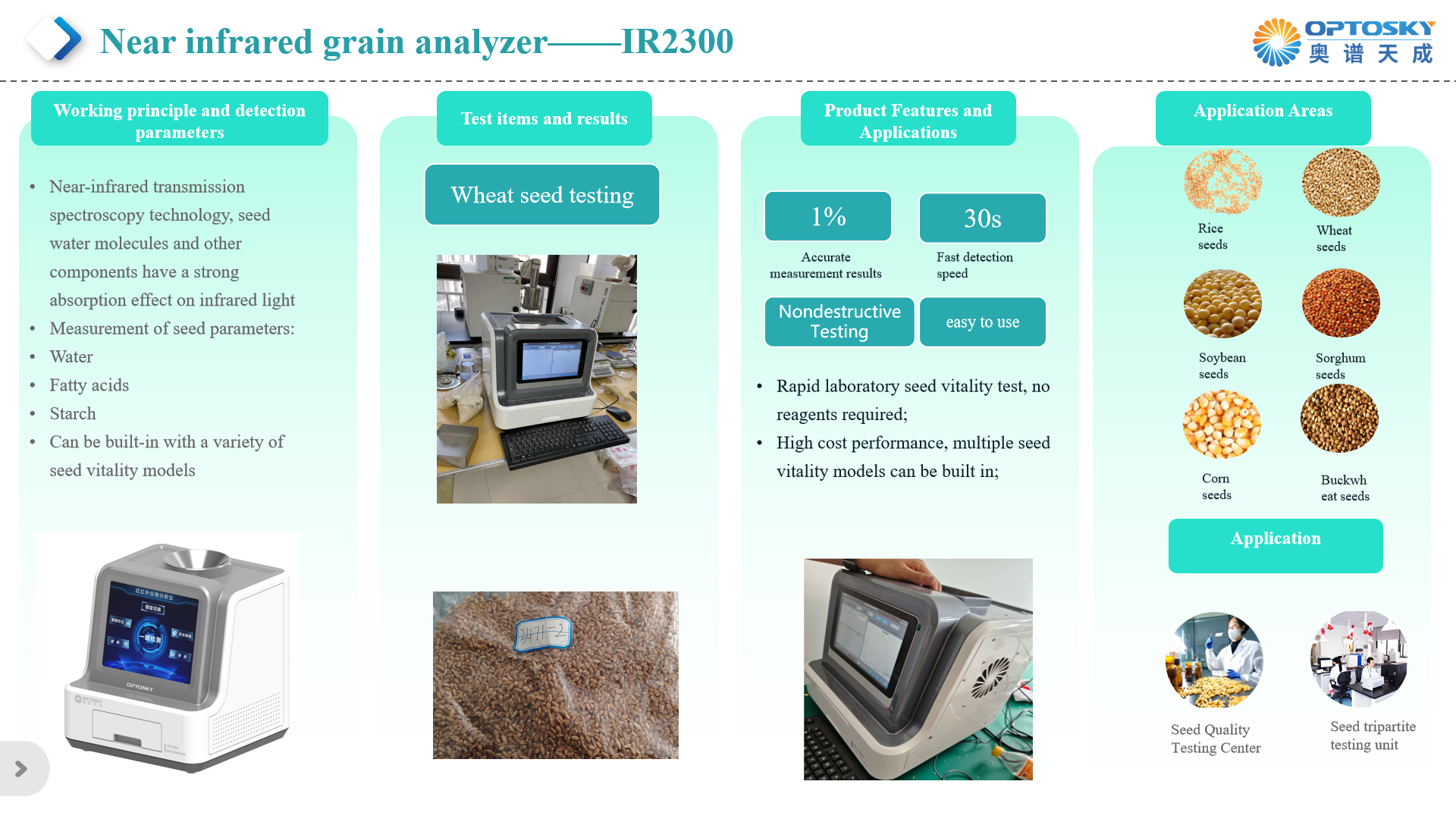
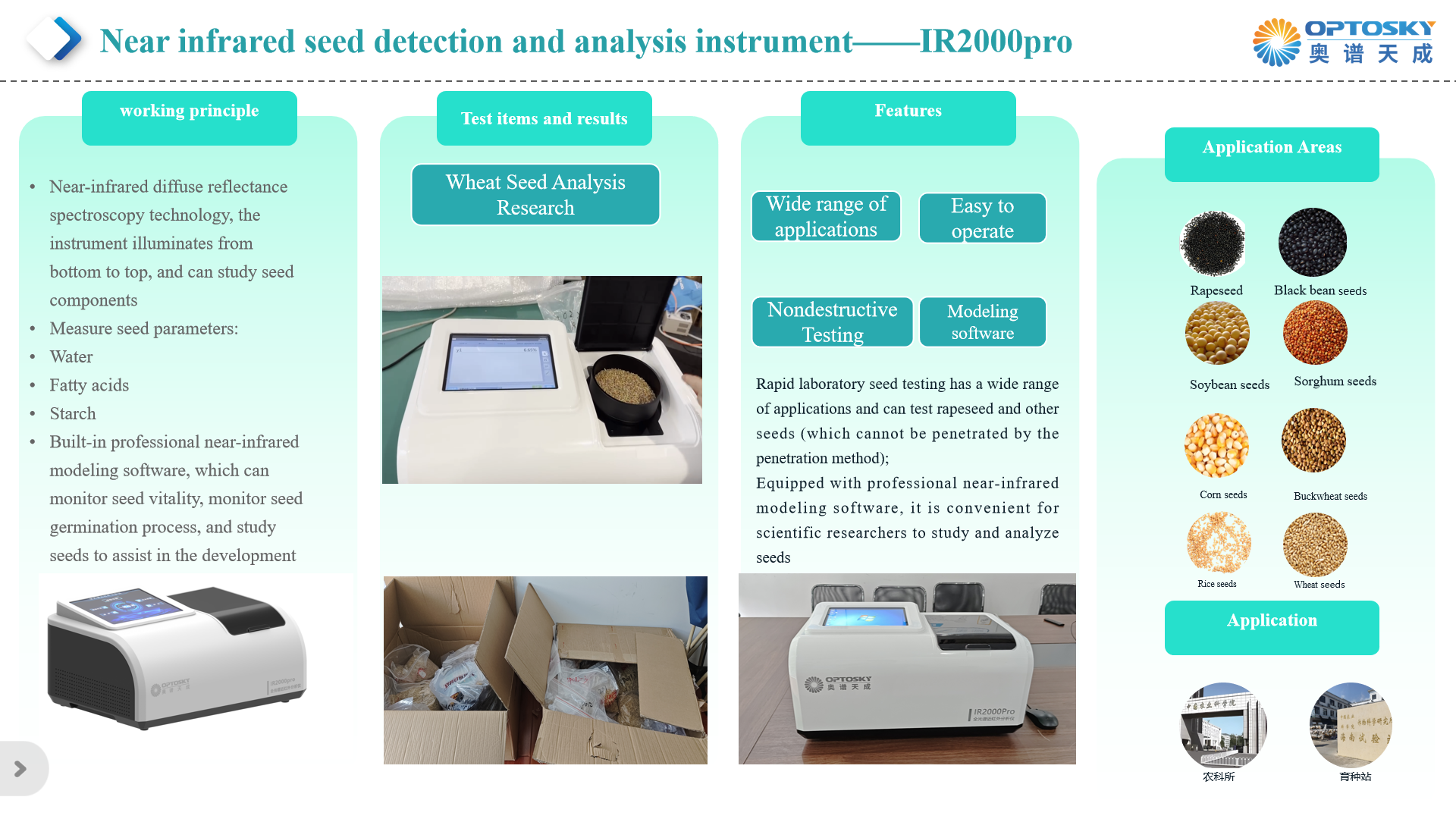
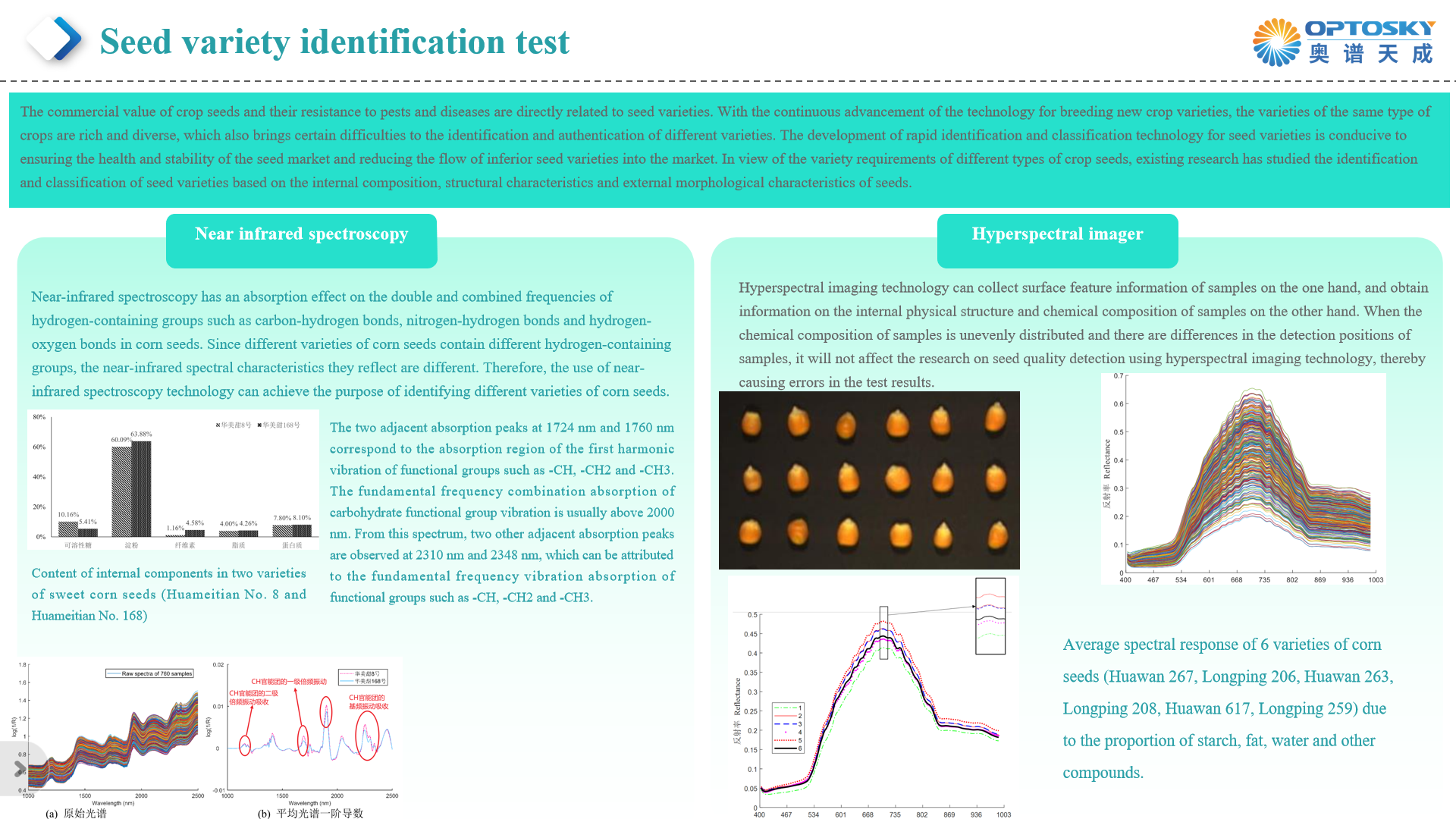
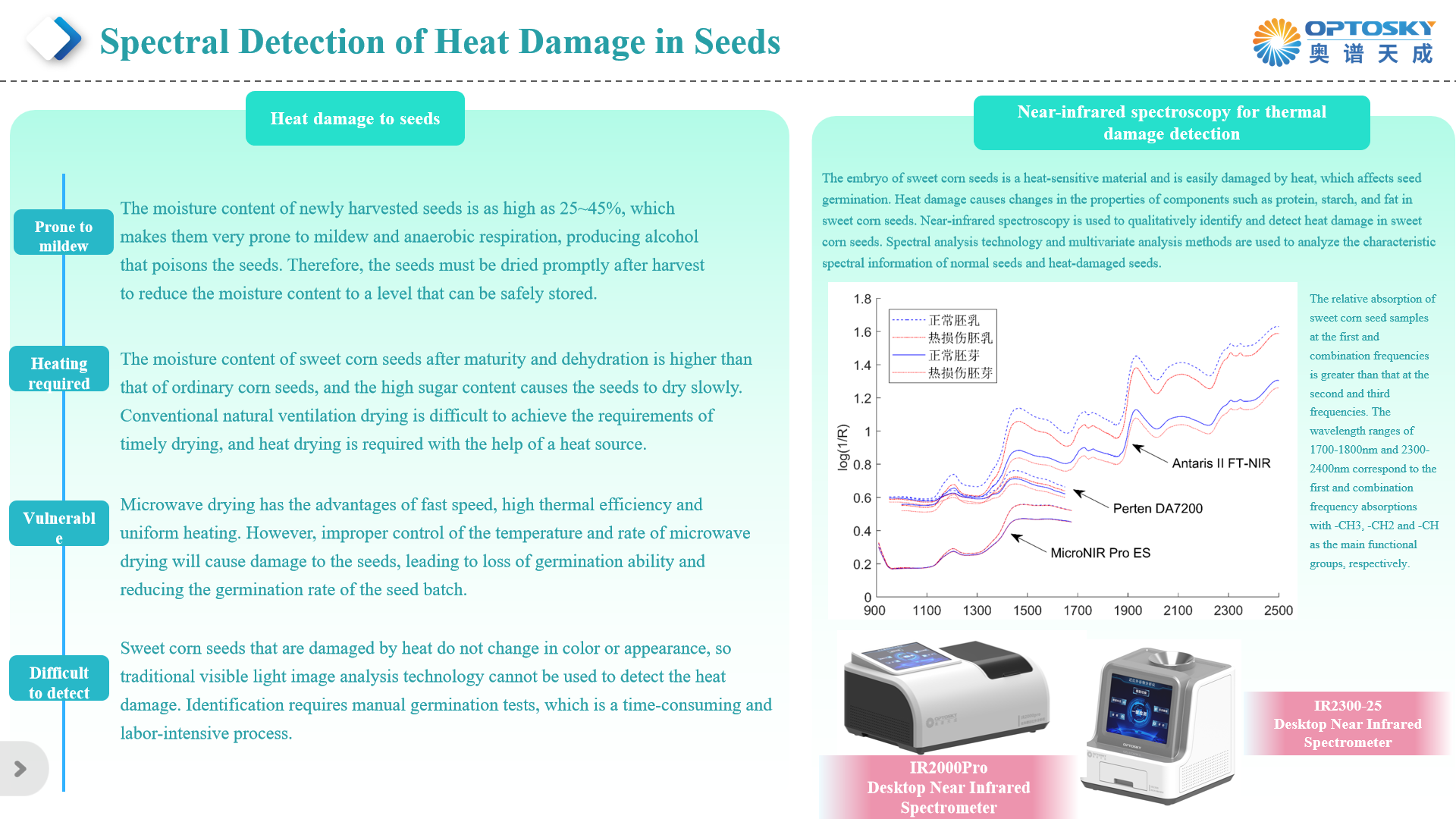
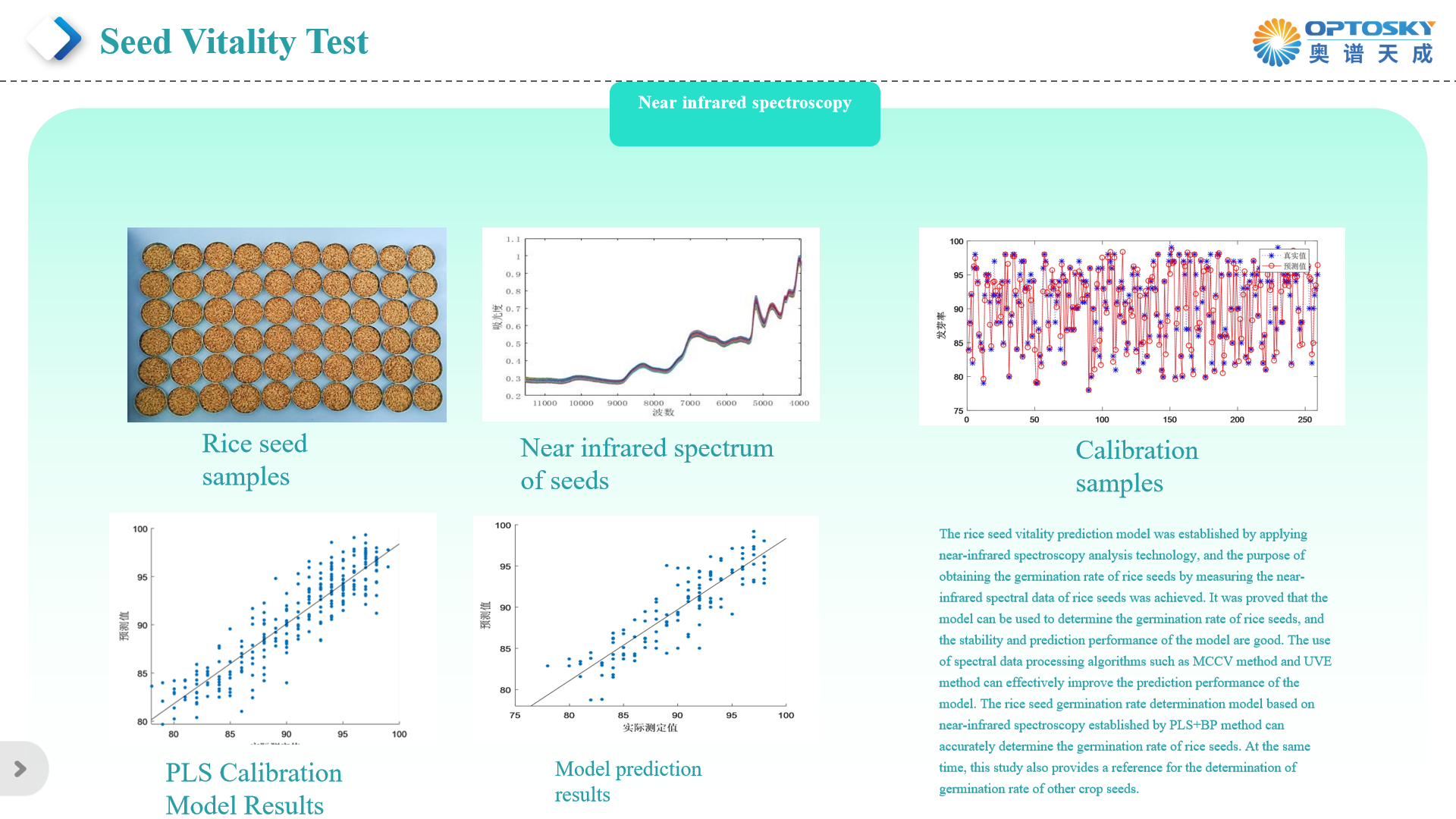
Principle: Near infrared spectroscopy analysis technology is a detection technology that uses the absorption, scattering, reflection and transmission characteristics of light to analyze the test object. The sample can be qualitatively or quantitatively analyzed through the absorption spectrum and physical analysis and chemical analysis results of the sample.
Near-infrared spectroscopy can provide rich spectral information of crops;
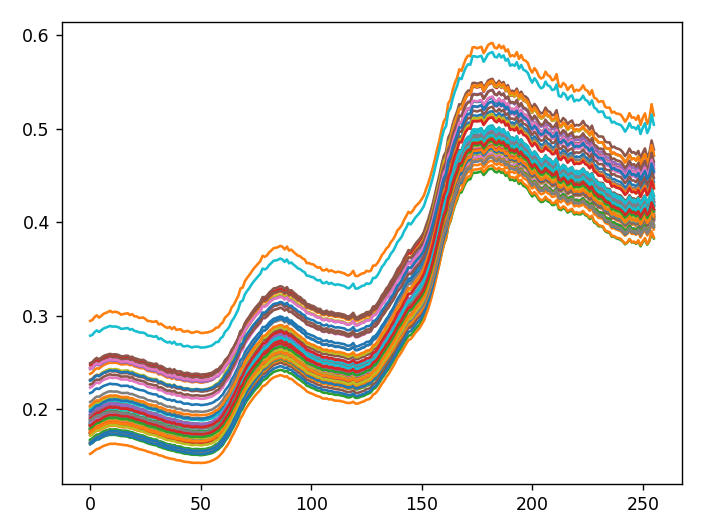
The molecular vibration frequencies of hydrogen-containing groups such as O-H, N-H and C-H in organic molecules are different, and absorption peaks with different intensities will appear at different wavelengths.
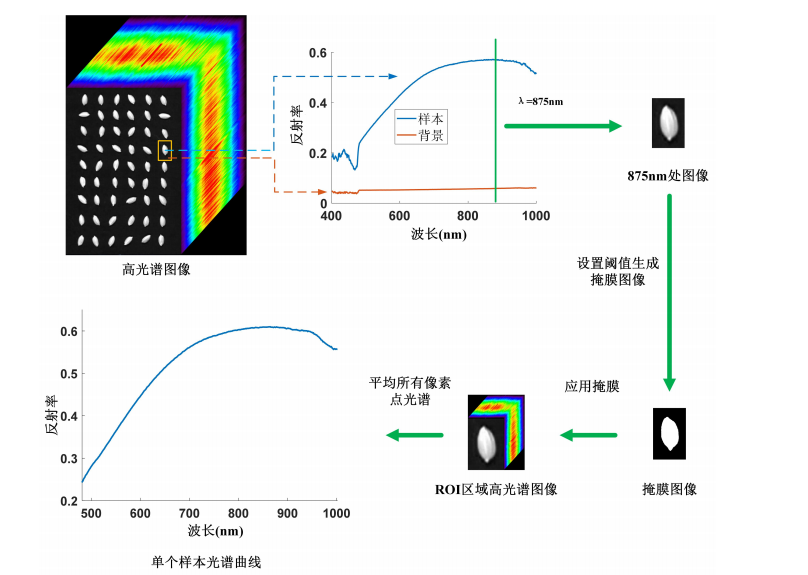
Spectra that reflect sample information (water content, soluble solids, titratable acid, starch, etc.);
Realize the prediction of seed quality, nutritional indicators, varieties, etc.
Application areas: component content detection, variety classification, pest detection, vitality detection, seed aging, fungi and fungal toxins, etc.
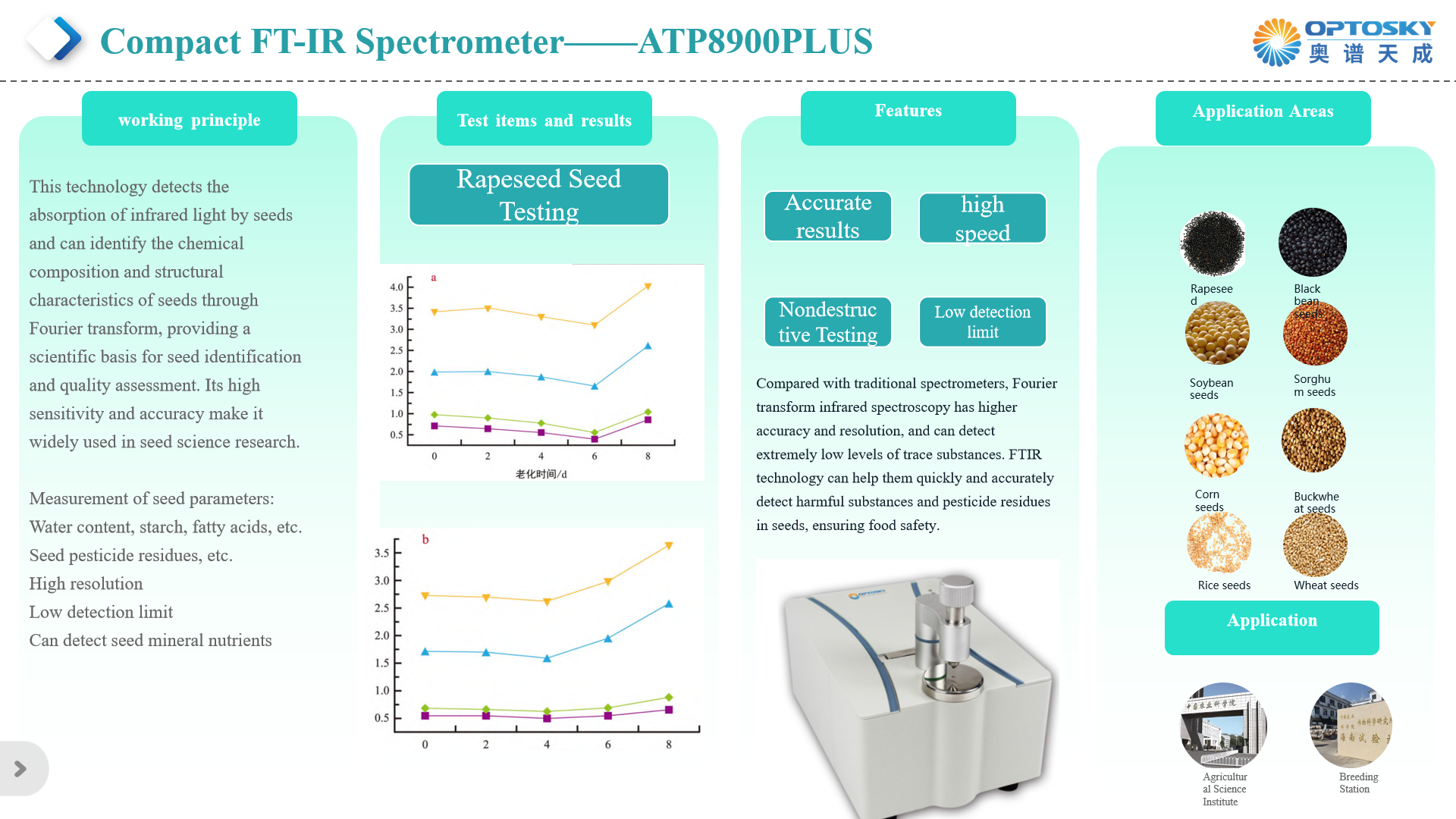
FT-IR spectroscopy
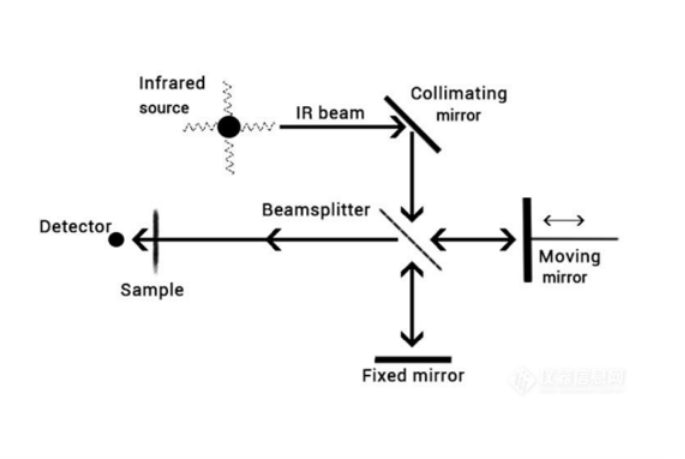
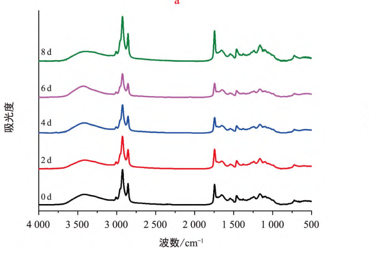
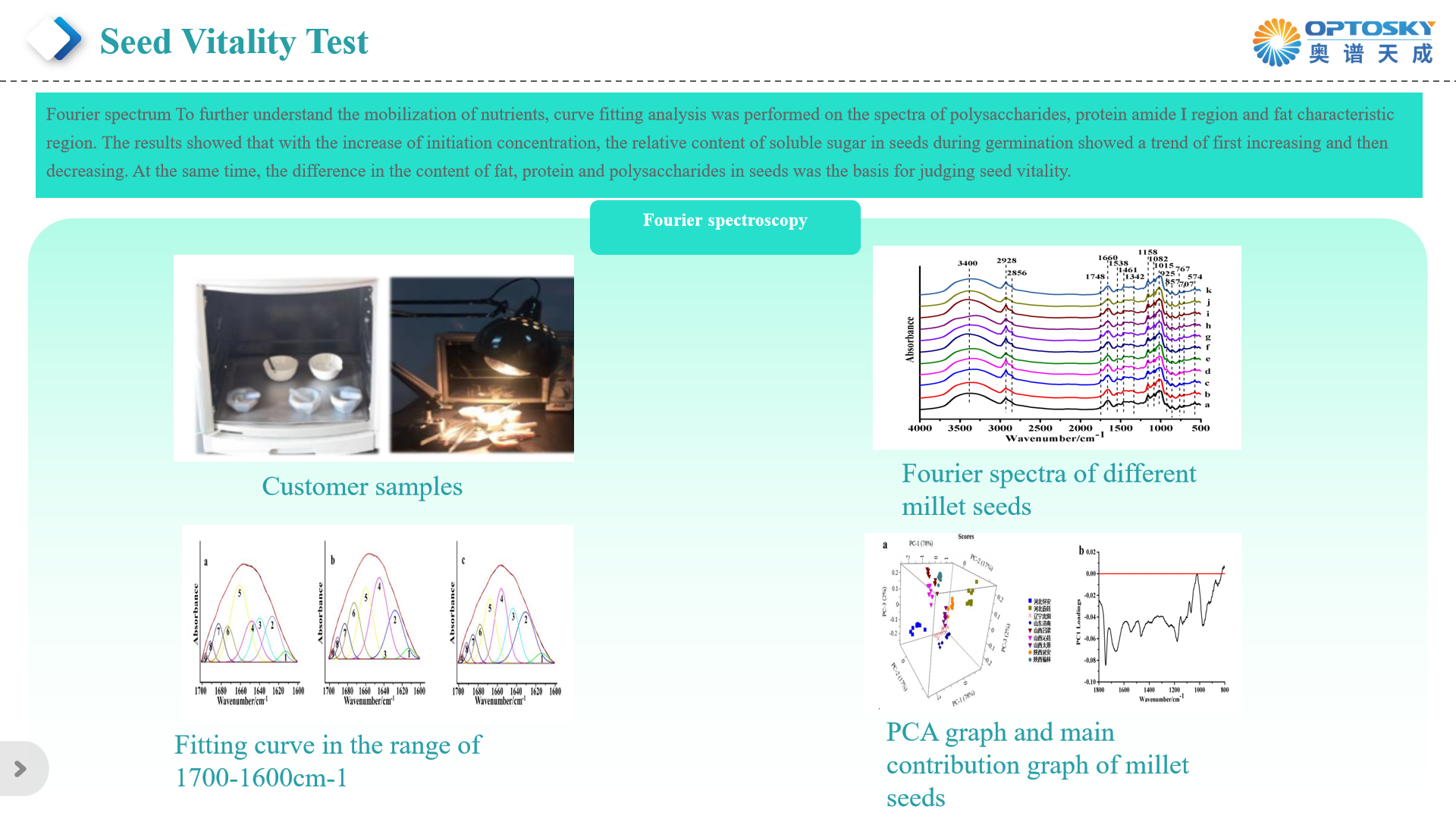
Principle: Measuring the absorption spectrum of a substance in the mid- and far-infrared bands can accurately characterize the chemical composition and chemical bond structure of the substance.
Fourier spectroscopy is a spectral analysis technology that decomposes light signals into different frequency components through Fourier transforms to obtain information on the composition and structure of the substance;
It can detect trace components of seeds, such as protein, fat, and carbohydrates;
By analyzing spectral information, the nutritional value and germination rate of seeds can be determined;
Advantages: non-destructive testing + high speed, high sensitivity + no sample pretreatment required + provides molecular structure information
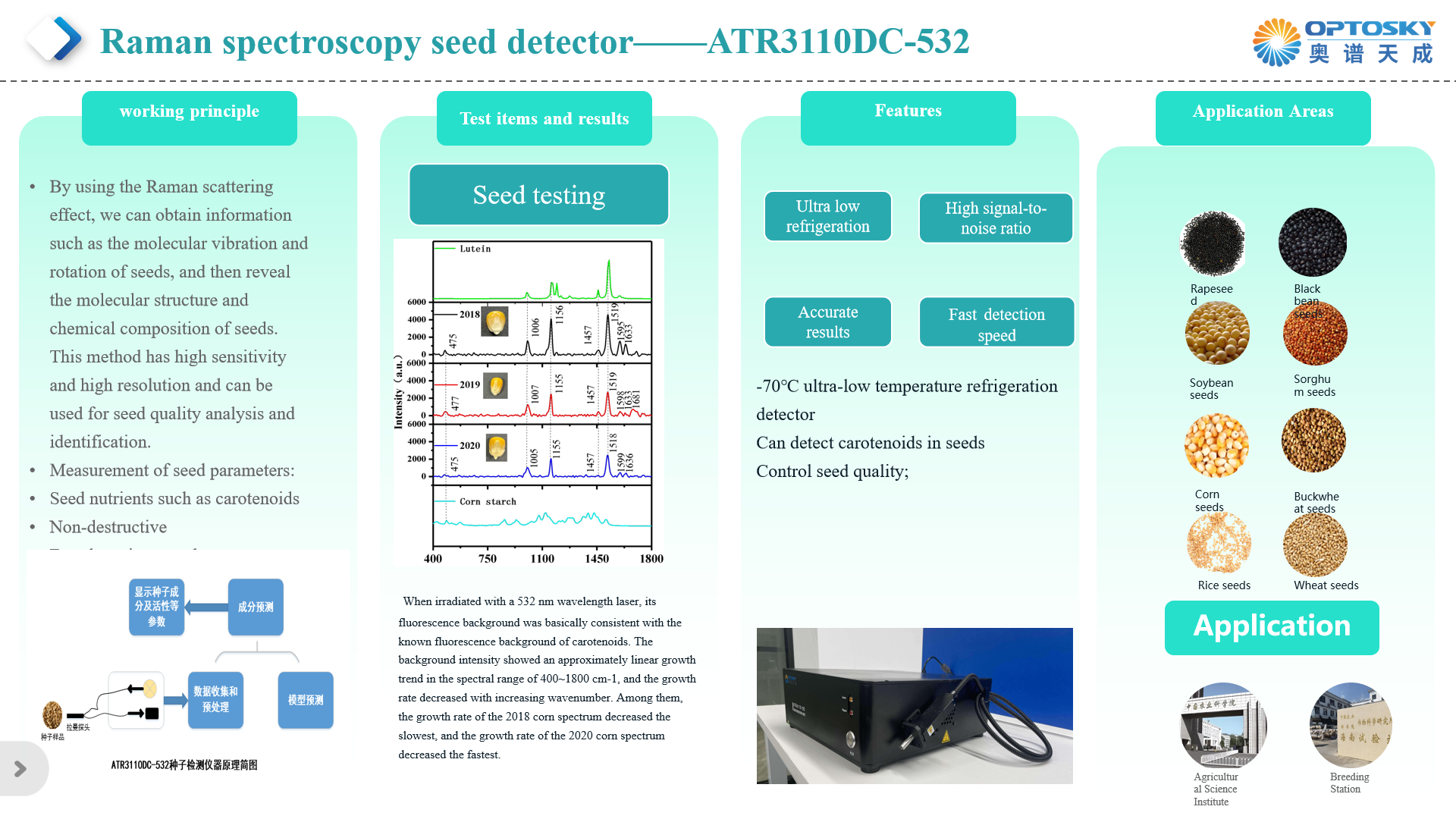
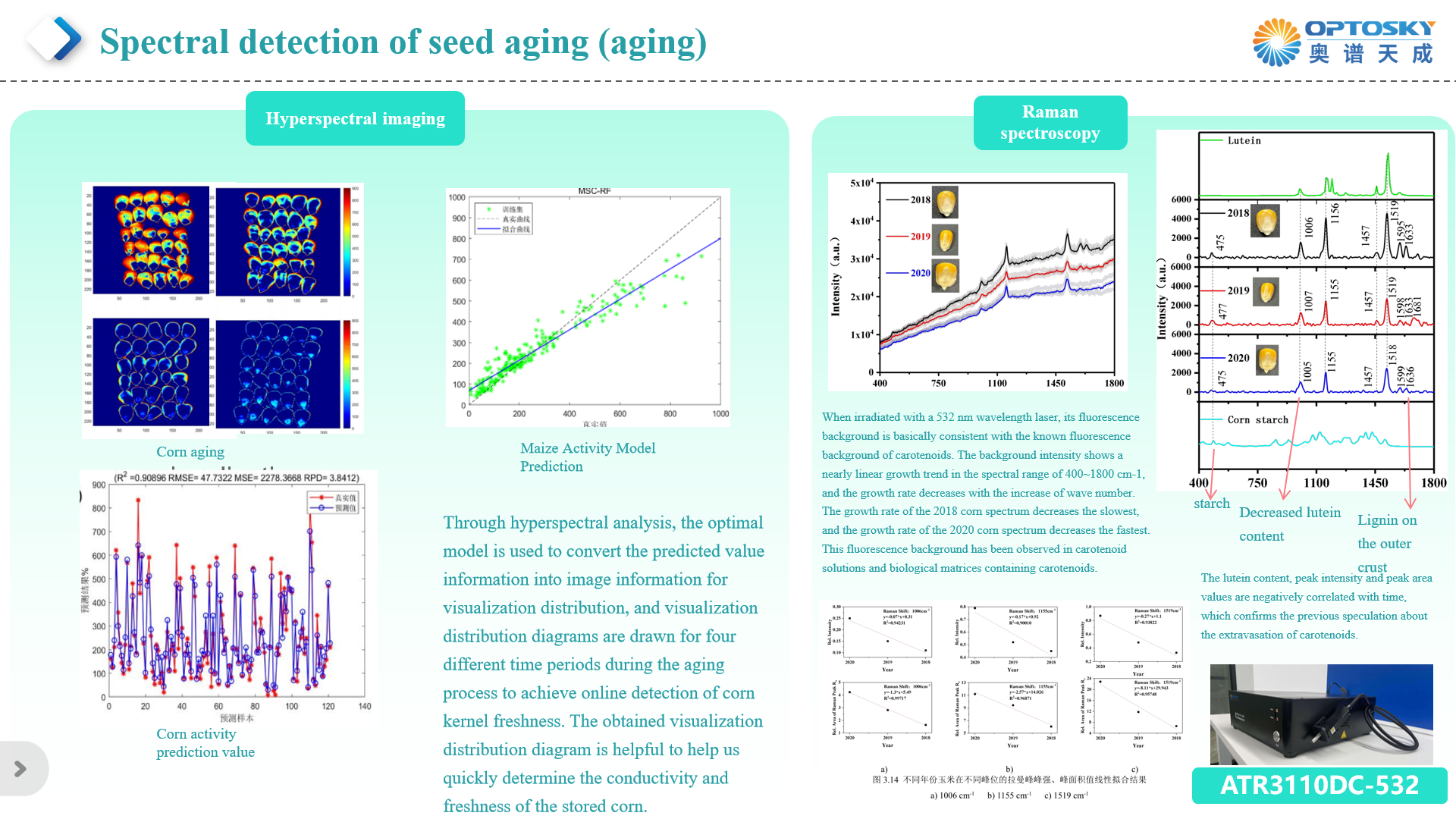
Raman analysis
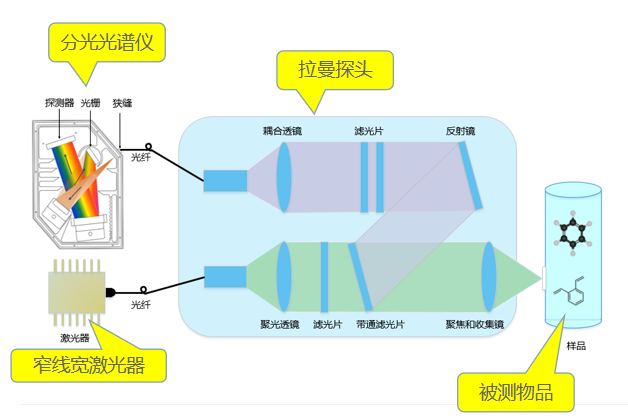
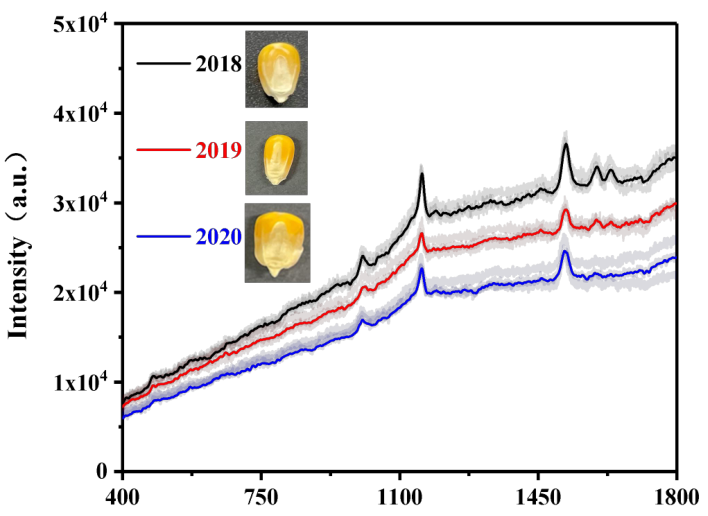
Principle: Raman measurement is the fingerprint spectrum of substances. Through laser excitation, different substances will emit different Raman spectra. It has the characteristics of being fast, non-destructive, and does not require sample pretreatment.
Raman spectroscopy is based on the principle of Raman scattering to analyze the composition and composition of substances;
It can test the key components of fat and protein in seeds;
By analyzing the Raman spectrum, you can understand the pathogenic microorganisms or chemicals in the seeds;
Advantages: non-destructive testing + high efficiency + online monitoring and real-time analysis + simultaneous measurement of multiple parameters
3. Optosky Spectral Products
Application Recommendation: The Use of Confocal Raman Microsope in Kidney Health
Application recommendation | Application of online Raman system in process analysis
Related Article