LED Sorting
LED Sorting
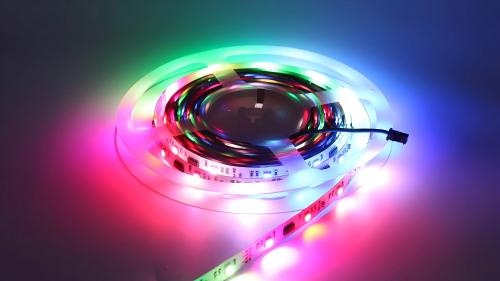
In the field of LED testing and analysis, spectroscopic measurement is one of the most common and widely used methods. LED manufacturers utilize color measurement to sort LEDs based on performance criteria such as color quality and brightness, ensuring product consistency and stability. Display manufacturers employ radiative measurements to calibrate screen color reproduction, ensuring that displays operate within standard ranges.
Principle
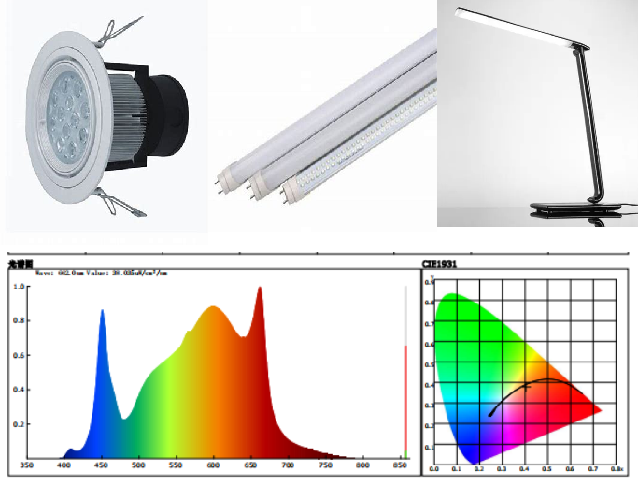
Testing the light-emitting characteristics of LEDs requires careful consideration of the light source. Selecting appropriate accessories—such as integrating spheres, standard lamps, and fiber optics—is essential for achieving accurate measurement of radiative color performance. The data captured by the fiber optic spectrometer provides crucial information about the absolute radiated power and color parameters of the LED.
To measure the absolute radiative power, calibration of the spectrometer against a standard light source is necessary to ensure accuracy. It is also vital to maintain a fixed position between the measurement device and the light source to prevent variations in results.
Applications
- LED Manufacturing: In LED production, color measurement is vital for quality control. Sorting LEDs based on color performance ensures that each batch meets specific standards for brightness and consistency, enhancing product quality and customer satisfaction.
- Display Calibration: For screen manufacturers, ensuring accurate color reproduction is essential. Radiative measurements allow precise calibration of displays, ensuring they produce colors that align with industry standards, crucial for high-end applications like photography and medical imaging.
- Lighting Design: Designers use LED color performance testing to evaluate how different light sources impact aesthetics. Measuring color characteristics helps in selecting the best lighting solutions for desired visual effects.
- Research and Development: In R&D settings, spectroscopic measurements aid in developing new LED technologies. Analyzing emitted light from experimental designs allows informed decisions on materials and design modifications.
- Quality Assurance: Ongoing quality assurance processes rely on precise measurements to monitor LED performance throughout their lifecycle. Regular testing ensures high standards and quick resolution of deviations.
Advantages
The use of spectrometers for testing the radiative color performance of LEDs offers several significant advantages:
- Precision: Spectroscopic measurements provide highly accurate data on color and radiative output, essential for quality control.
- Versatility: The ability to measure various parameters, including absolute radiated power and color coordinates, allows comprehensive assessments of LED performance.
- Efficiency: Spectrometers enable quick testing, streamlining production processes and reducing time to market.
- Consistency: Implementing rigorous measurement protocols ensures consistent product quality, increasing customer trust and satisfaction.
The application of spectroscopic measurement in testing the radiative color performance of LEDs is crucial for ensuring product quality and consistency across industries. By utilizing advanced measurement techniques and maintaining strict calibration protocols, manufacturers can enhance the reliability and performance of their LED products. As demand for high-quality lighting solutions grows, precise color performance testing will remain paramount in LED production.
Gemstone Measurement
Laser Analysis
Related Article