
Product Recommendation|Smart Urban Gas Solutions
Introduction
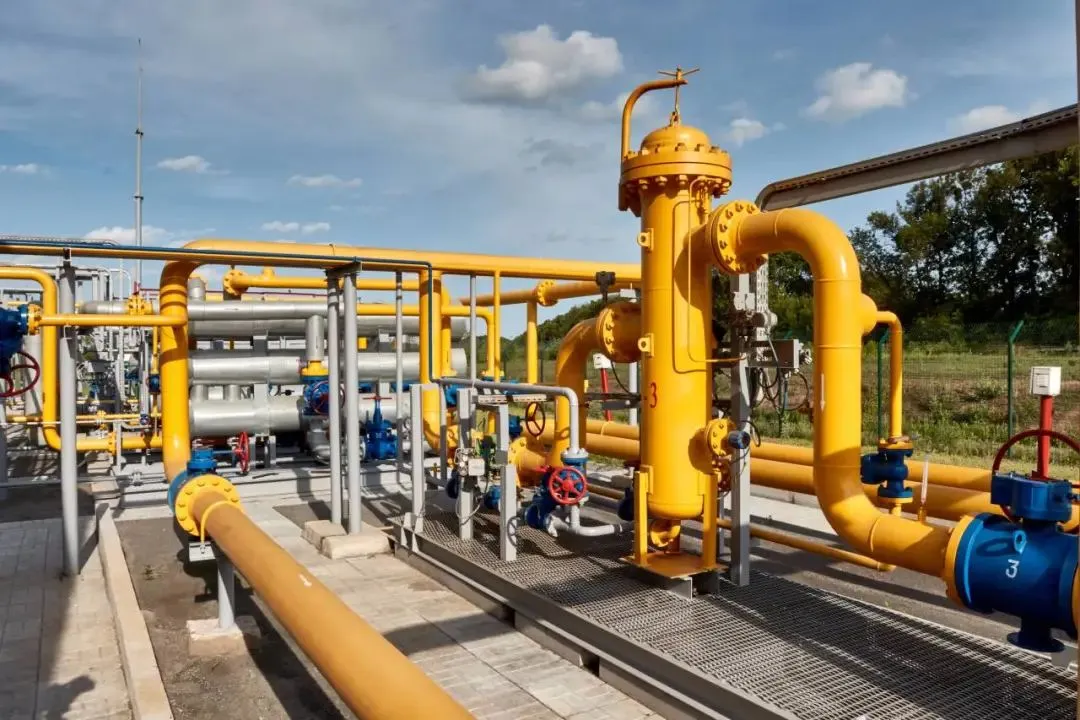
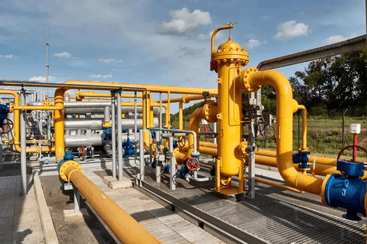
As urbanization progresses, the distribution of gas pipelines has become increasingly dense, leading to heightened concerns over gas safety. Traditional manual patrol inspections are inefficient and often fail to ensure quality, making gas detection instruments using advanced laser gas detection technology the new industry choice.
01 Growing Gas Pipeline Network Safety Hazards
Gas pipelines are the lifeblood of urban infrastructure. With the ongoing expansion of urban areas, gas pipelines now crisscross community streets, commercial districts, industrial parks, and even rural areas. However, the safety hazards associated with gas pipelines are becoming increasingly evident, including issues like pipeline corrosion, third-party construction damage, and inherent quality problems of the pipelines themselves, all posing serious threats to urban gas safety.
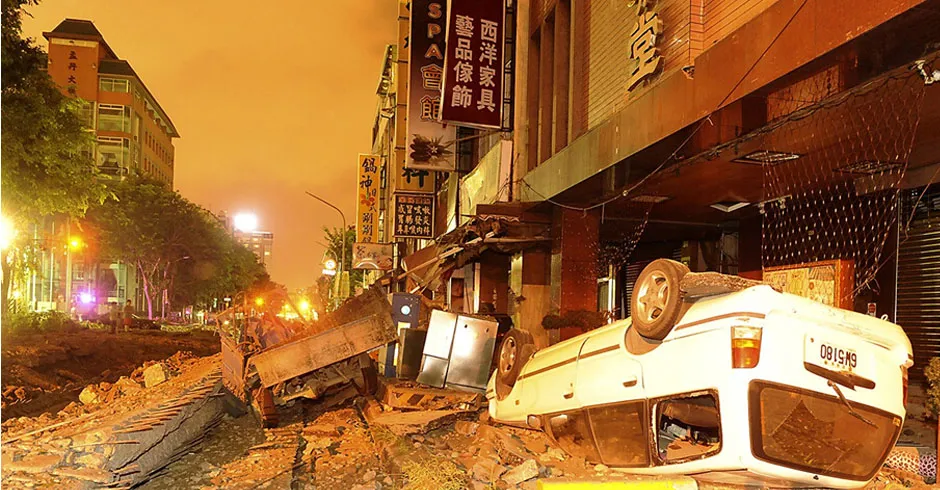
The June 13th gas explosion in Shiyan, Hubei, China was primarily caused by severe corrosion and rupture of a medium-pressure steel gas pipe, which led to gas leaks. The situation was further exacerbated by the presence of market buildings over the pipeline, substandard gas engineering quality, and inadequate emergency response measures, all of which contributed to the accident.
Statistics show that between 2018 and 2023, over 1,000 outdoor gas pipeline accidents occurred in China, with more than 70% resulting from external damage, particularly due to third-party construction activities.
02 Inefficiency of Manual Patrol Inspections
The frequent occurrence of gas pipeline accidents highlights the critical need for strengthened gas pipeline monitoring and inspection, as well as more rigorous on-site inspections during construction. However, many regions still rely on traditional manual inspection methods, which have numerous drawbacks.
A single inspection worker can only cover a few kilometers each day, which is time-consuming and labor-intensive, resulting in low efficiency. The quality of gas pipeline inspections is difficult to ensure. On one hand, it’s challenging to verify whether inspection personnel follow the prescribed routes and norms. On the other hand, if the inspection equipment lacks sufficient precision, minor leaks might go undetected. Additionally, inspection ledgers are often scattered and disorganized, making it difficult to effectively track and manage potential hazard.
03 Product Recommendations
Optosky, driven by the major national demand for safety development, is committed to technological innovation in the public safety sector. The company has developed an urban smart gas management platform, which establishes a comprehensive and long-term gas management mechanism, leading the way in innovative safety monitoring services and expanding the safety product ecosystem. By tightly integrating sensors, smart terminals, communication technology, geographic information, cloud computing, and big data, Optosky has created a smart gas management solution that brings data to life and visualizes risks. Through early warnings and efficient response capabilities, this platform provides robust and reliable technical support for gas safety monitoring.
Underground Pipeline GF200 Combustible Gas Leak Detector
GF200 is designed for monitoring and early warning of gas leaks in urban underground gas pipelines.
Using advanced Tunable Diode Laser Absorption Spectroscopy (TDLAS), it offers high protection, corrosion resistance, explosion-proof capabilities, long life, and maintenance-free operation. It can operate continuously for more than three years and supports multi-scenario work modes, ensuring comprehensive gas leak monitoring across the entire pipeline, leaving no safety risk undetected.
GF310 Portable Laser Methane Telemetry Device
The GF310 is an advanced gas inspection device widely used in urban gas distribution pipelines, as well as in industries such as petroleum, petrochemicals, metallurgy, and power generation where gas leaks might occur.
It employs advanced laser gas detection technology for non-contact measurement, with a remote sensing range of up to several tens of meters. This allows for accurate detection and quick location of leaks, even in areas that are difficult for inspection personnel to reach.
GF900 Drone-Mounted Laser Methane Detector
The GF900 integrates Optosky's high-performance laser methane sensor with DJI's professional drone platform. It is suitable for gas leak inspections in various complex environments, ensuring comprehensive safety for both personnel and equipment.
This device features high sensitivity, fast response, excellent selectivity, and a low detection limit. It offers two inspection modes: planned flight and manual operation, ensuring all-around protection for urban gas pipelines and infrastructure.
GF320 Gas Leak Detection Thermal Imager
The GF320 employs a high-precision cooled infrared detector for remote, non-contact infrared imaging. It can accurately identify leakage points of methane and dozens of other VOCs (volatile organic compounds) gases in extreme environments, presenting the gas leaks as real-time images for intuitive, visual detection. This makes it ideal for fast detection of gas leaks in equipment, facilities, and the surrounding environment.
GF320 Gas Leak Detection Thermal Imager Test Image
Optosky
Founded in 2015, Optosky has grown rapidly over nine years, establishing multiple subsidiaries in cities like Changsha, Wuhan, Xuzhou, Chengdu, and Wuhu, with 18 offices nationwide. As a leading domestic and internationally recognized supplier of spectroscopic instruments, Optosky had over 300 employees by the end of 2023, with more than 150 dedicated to research and development. The company invests over 30% of its resources into R&D and maintains an impressive track record of launching over 30 new products annually. The media have hailed Optosky as the "Huawei of the Spectroscopy Industry."
Optosky offers a wide range of mature product lines, including Raman spectrometers, fiber optic spectrometers, hyperspectral imaging instruments, field spectrometers, spectrophotometers, and various industrial, gas, and water quality analysis instruments. These products are widely used in scientific research, food and drug safety, remote sensing, water quality, environmental protection, and many other fields.
Fluorescence Spectroscopy Enhances Food Safety Test
Raman Spectroscopy: Enabling the Detection of Rapeseed Oil
Related Article