
NEW PRODUCT |GF380 HYPERSPECTRAL FOURIER GAS LEAKAGE REMOTE SENSING IMAGER

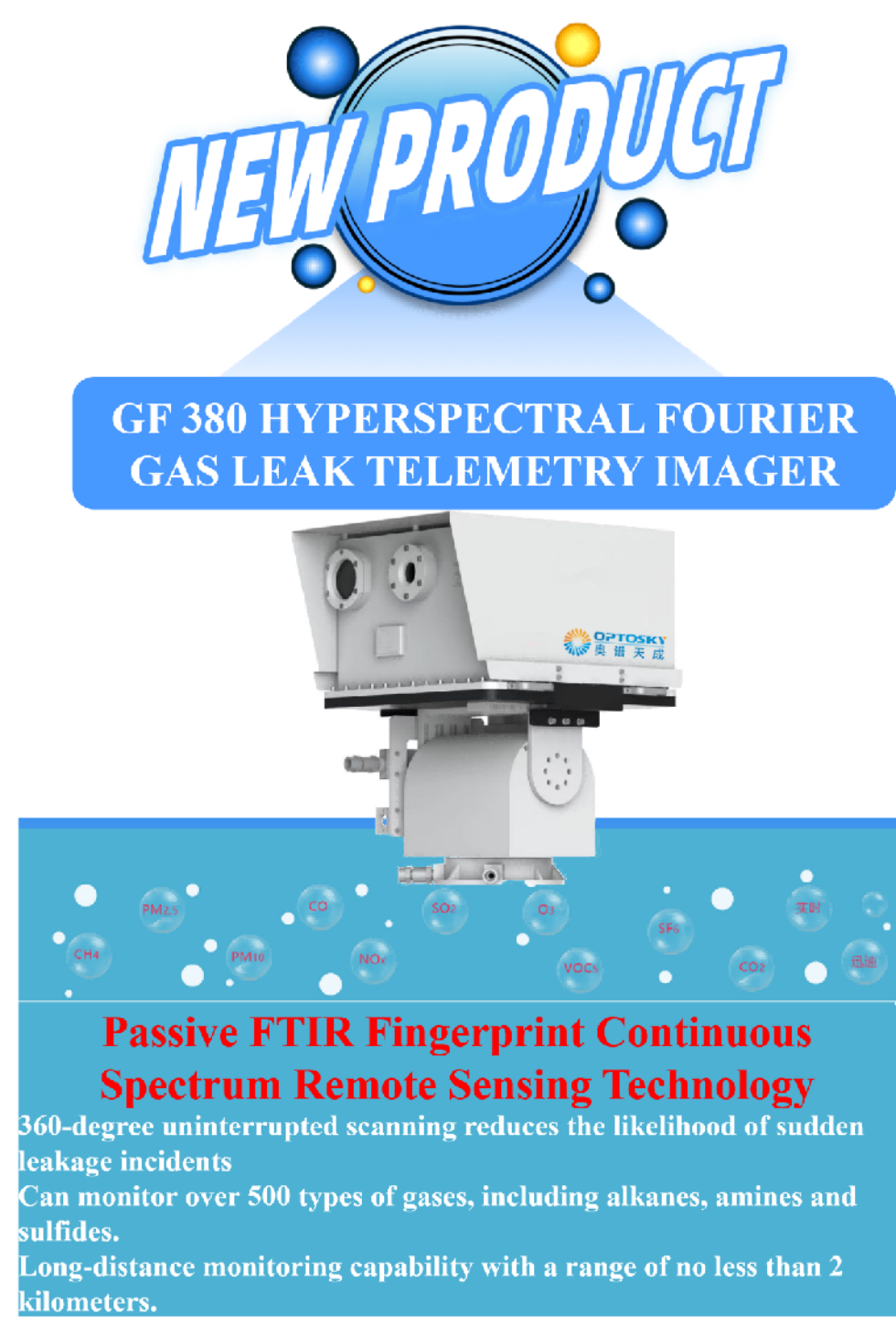
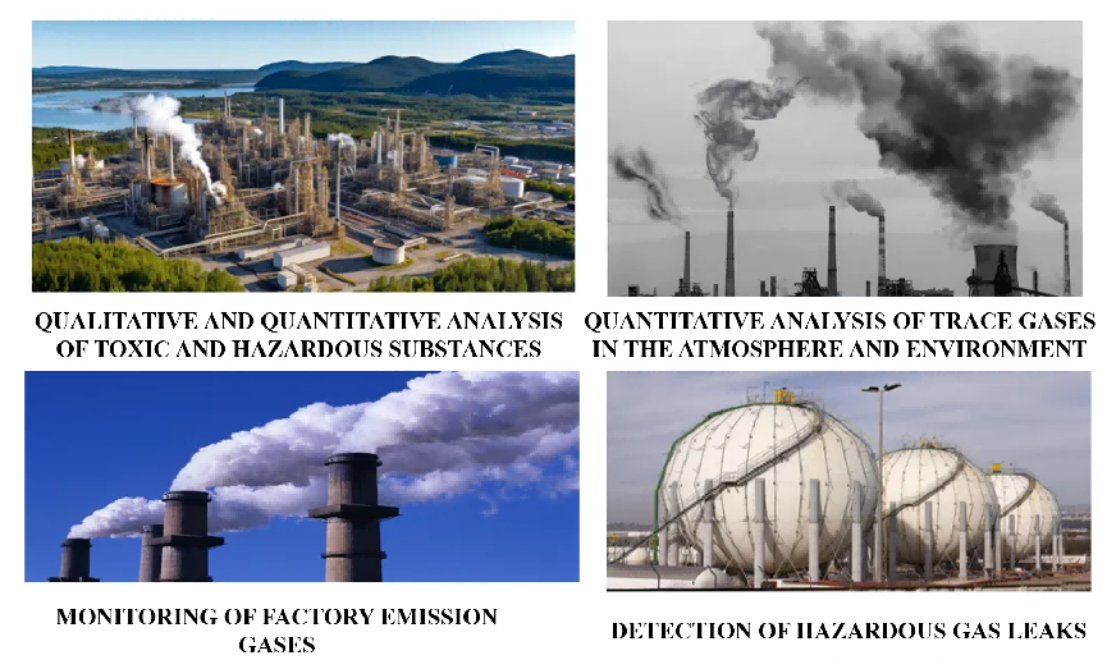
As gas materials continue to advance in production, storage, and transportation, safety incidents have correspondingly increased, posing increasingly severe hazards. Therefore, effectively preventing sudden gas leakage and diffusion accidents is urgently necessary. Given that leaked gases are often highly hazardous, remote, non-contact monitoring and assessment have become essential. Regulations such as the *National Hazardous Chemicals Safety Risk Management Program*, the *Special Work Plan for Safety Risk Management in High-Risk Sectors*, and the *Hunan Province Implementation Rules for Subsidy Funds for Safety Production Prevention and Emergency Rescue Capacity Building* reflect the importance of monitoring toxic and hazardous gas leaks.
Instrument Overview
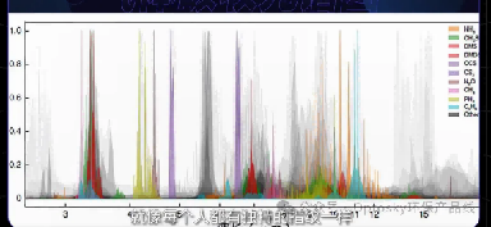
The Hyperspectral Fourier Gas Leakage Remote Sensing Imager uses passive Fourier-transform infrared (FTIR) fingerprint continuous spectrum remote sensing technology. Its primary components are made of materials that do not absorb or react with gaseous pollutants, ensuring longer maintenance cycles and enhanced stability to meet the practical needs of field applications.
Operating Principle
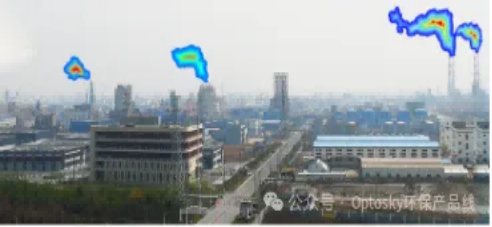
This product leverages the infrared spectral fingerprint characteristics generated by the equivalent radiance temperature difference between the target gas and the remote sensing background to achieve rapid, high-sensitivity qualitative identification and semi-quantitative concentration inversion analysis of various toxic and hazardous gases. It provides real-time mapping of the dynamic distribution and diffusion trends of toxic and hazardous gases within the scanned area, with audio-visual alarms for gases exceeding threshold levels. In situations where risk levels are unknown, the remote sensing imager can conduct non-contact, long-distance risk assessments of dangerous spaces, detecting the distribution of hazardous gases, identifying chemical components, and mapping their diffusion trends, effectively supporting emergency rescue and safeguarding operations.
Instrument Features
- The main components are made from materials that do not adsorb or react with gaseous pollutants, offering an extended maintenance cycle and improved stability.
- High precision: 360-degree uninterrupted scanning with a detection limit at ppm levels.
- Long-distance monitoring with a range of no less than 2 kilometers.
- Preloaded with a database of various gases and gas identification support to enhance leak detection, minimizing the risk of sudden leakage incidents.
- Uses rapid scanning and imaging to generate gas diffusion trend maps, visually displaying pollutant gas types, emission sources, and plume dynamics, effectively supporting monitoring and control.
- The device supports intelligent event analysis, including area intrusion detection, boundary crossing detection, entry and exit detection.
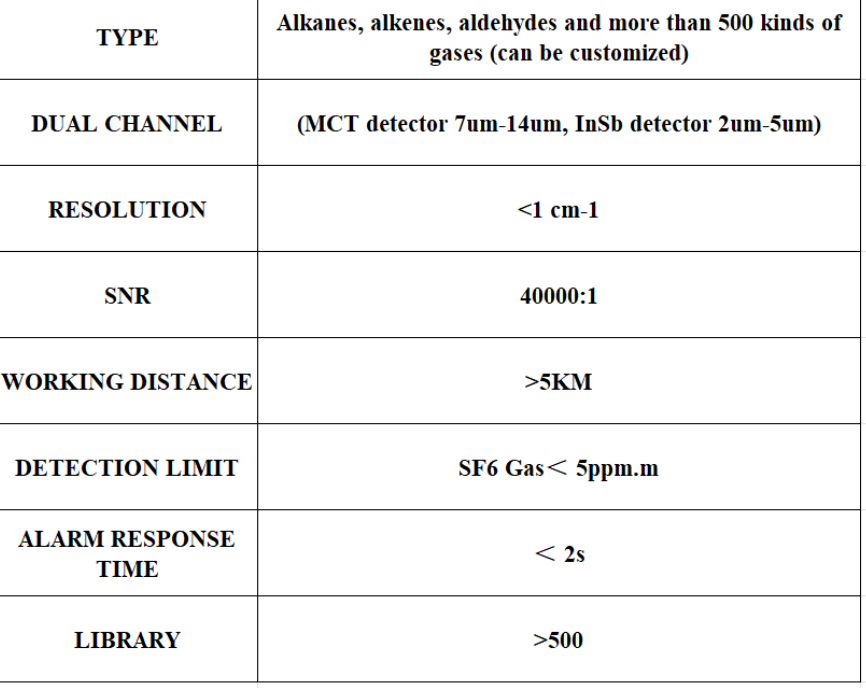
Specifications
New Product | ATE2130-YL Residual Chlorine Sensor
Application Of Ny6000 In Rapeseed Oil Fatty Acid Modeling
Related Article