Application of Spectrometer Sensors in Fluorescence Spectroscopy
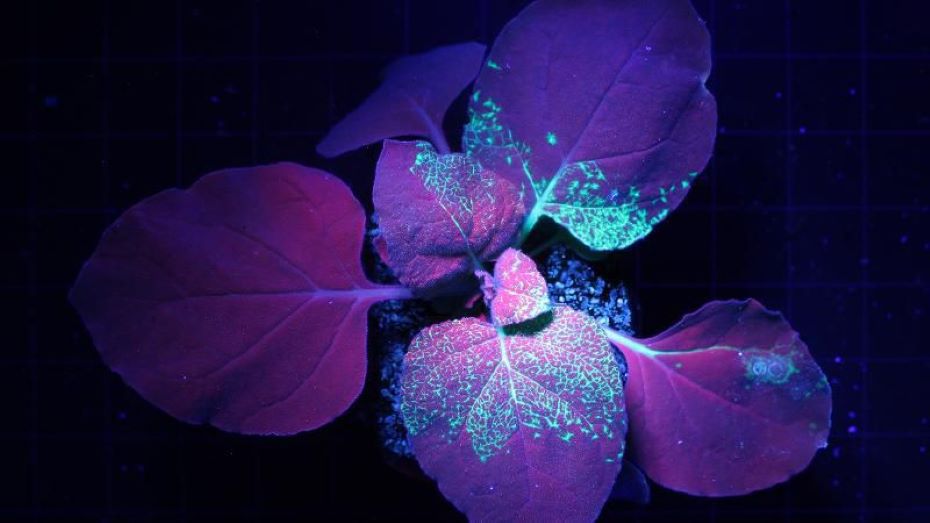
Optical analysis methods are based on the interaction between electromagnetic radiation and matter, using electromagnetic radiation as a "Probe" to investigate the properties, composition, and structure of substances. When electromagnetic radiation irradiates the surface of an object and interacts with matter, the radiation may undergo transmission, refraction, reflection, interference, diffraction, absorption, emission, or scattering.
When radiation interacts with matter, quantum energy level transitions occur within the substance. Analytical methods based on measuring the wavelength and intensity of the radiation are collectively referred to as spectroscopy, including techniques such as Emission spectroscopy, Absorption spectroscopy, and Raman spectroscopy.
01Principle of Fluorescence Spectroscopy
Molecular fluorescence spectroscopy is a molecular luminescence analysis method based on the phenomenon of photoluminescence. It is widely applied in fields such as chemistry, biology, medicine, and materials science. When molecular substances absorb electromagnetic radiation in the ultraviolet and visible light regions, their electrons transition from the ground state to an excited state. If the molecules in the excited state release this energy in the form of electromagnetic radiation to return to the ground state, this process is referred to as photoluminescence. The two most common types of photoluminescence phenomena are fluorescence and phosphorescence.
Basic Process of Fluorescence Emission
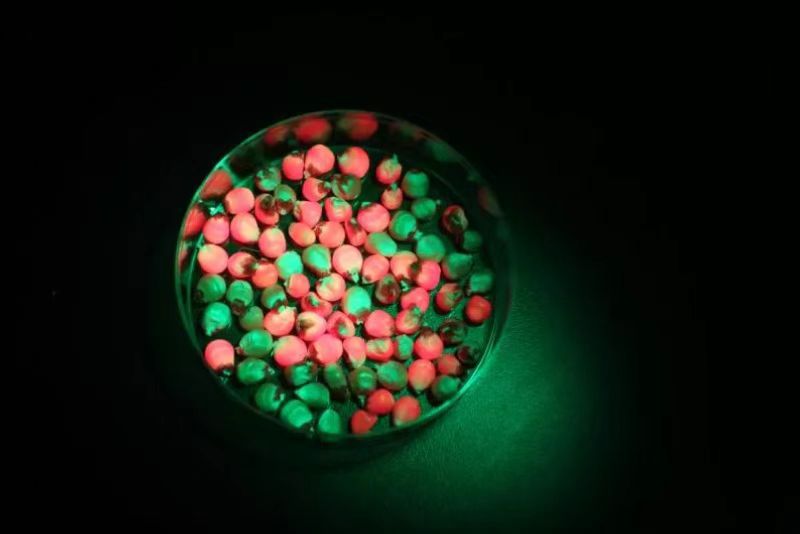
When molecules absorb excitation light (usually ultraviolet light), electrons are excited to higher energy levels and then quickly return to lower energy levels, releasing photons with lower energy, which is referred to as fluorescence.
For most fluorescence applications, the energy of the generated fluorescence is only about 3% of the excitation light energy. Fluorescence has lower energy (longer wavelength) compared to the excitation light and is often scattered light, meaning it is emitted in all directions. The phenomenon where the fluorescence wavelength is typically longer than the excitation wavelength is known as the Stokes shift.
The wavelength of fluorescence is related to the properties of the substance, allowing the analysis of fluorescence wavelengths to reveal the characteristics of the material. The basic steps of fluorescence spectroscopy include:
- Sample Excitation
- Fluorescence Generation and Detection
- Recording and Analyzing Fluorescence Spectra
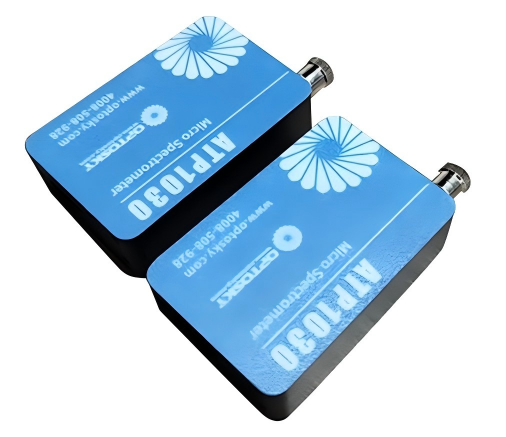
Spectrometers Sensors are commonly used in the detection and analysis phase of sample fluorescence spectra.
Spectrometer Sensor Solutions
Fluorescence spectroscopy is a crucial technology in various fields, including biology (e.g., chlorophyll and carotenoids), biochemistry (e.g., fluorescence diagnosis of malignant tumors), and environmental applications.
In the field of chemistry, fluorescence spectroscopy is widely used to analyze the structure, concentration, and purity of compounds. It is particularly suitable for detecting trace substances. By selecting appropriate excitation and emission wavelengths, background interference can often be minimized.
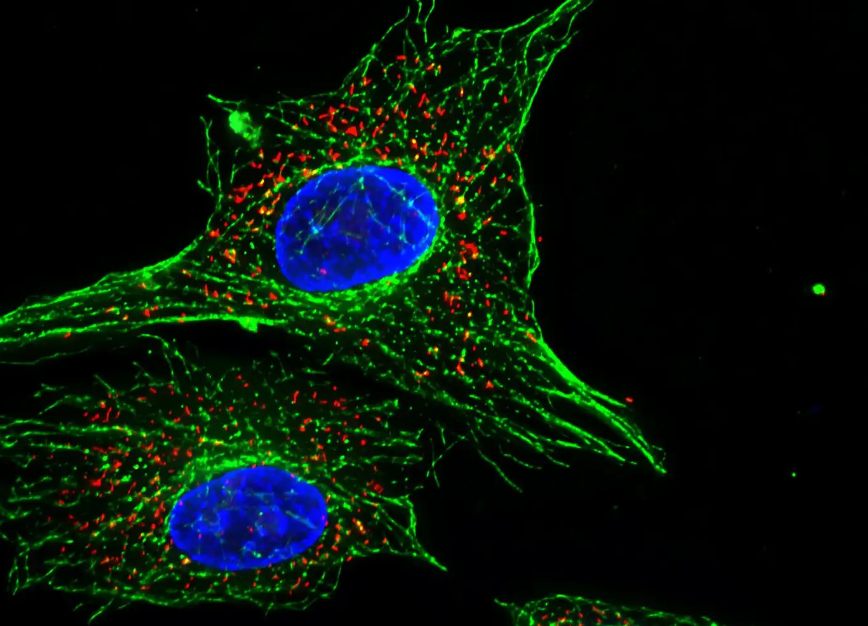
In the fields of biology and medicine, fluorescence spectroscopy is used to study the structure and function of biomolecules, such as the analysis of DNA and RNA, as well as for disease diagnosis and research on drug-biomolecule interactions. For instance, in cancer research, fluorescence spectroscopy is employed to quantify the intrinsic fluorescence redox ratio in in situ brain tumor models. This aids in understanding cancer progression and non-invasively delineating the boundaries of brain tumors.
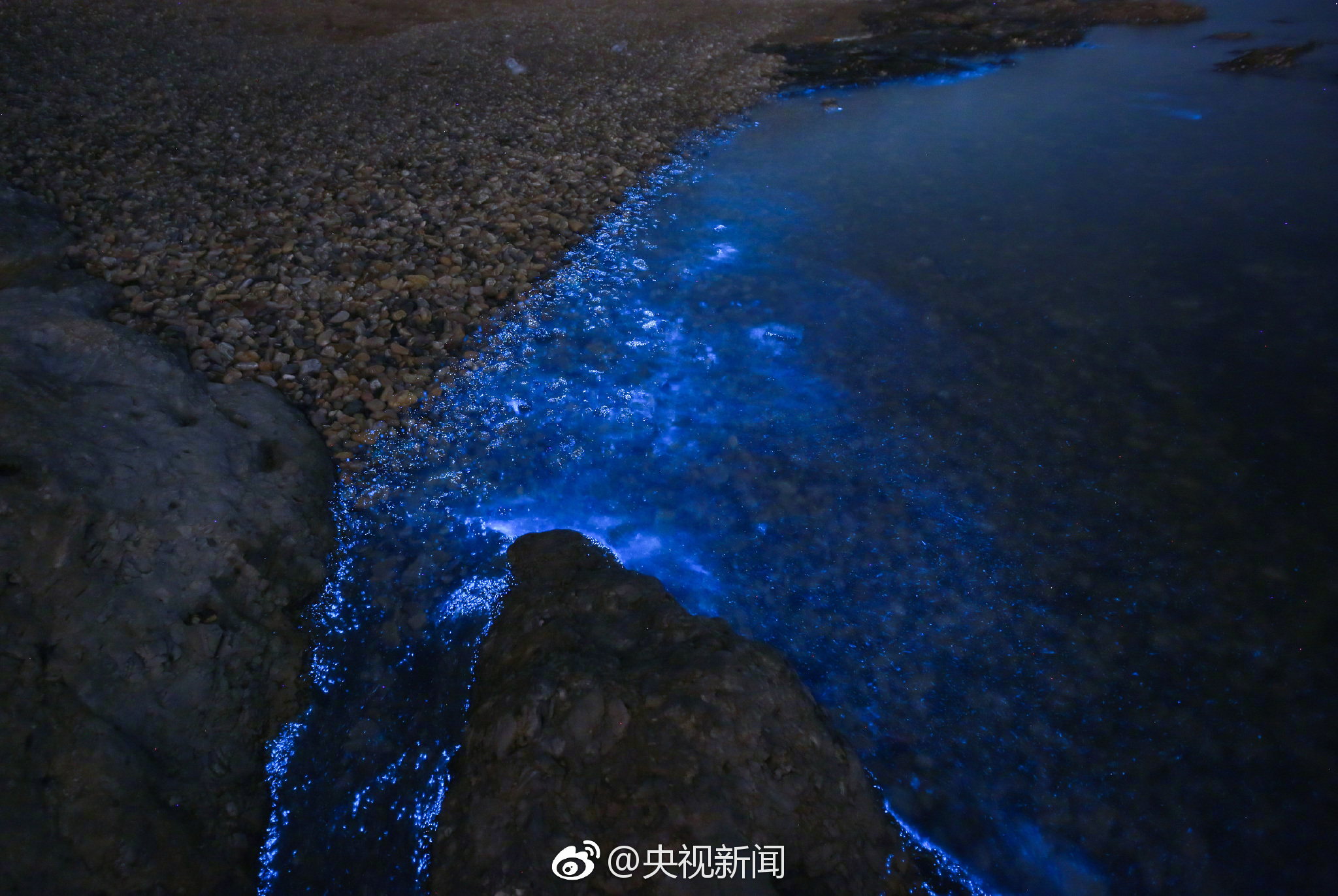
In environmental monitoring, fluorescence spectroscopy is used to determine parameters such as pH, conductivity, and dissolved organic carbon in river water, as well as for in situ monitoring of petroleum groups caused by various oil fluids. Additionally, fluorescence spectroscopy demonstrates high precision and rapid diagnostic capabilities in analyzing complex samples, such as in food analysis and serum analysis.
In materials science, fluorescence spectroscopy is applied to study the structural characterization of nanomaterials, such as excitation-emission spectral analysis of single-walled carbon nanotubes. Furthermore, fluorescence spectroscopy is used in mineral identification, enabling the distinction between genuine and synthetic gemstones and determining their grade.
Spectrometer sensors, with advantages such as portability and high sensitivity, are widely used in fluorescence spectroscopy measurement solutions. The following diagram illustrates a commonly used configuration for fluorescence measurements with spectrometer sensors:
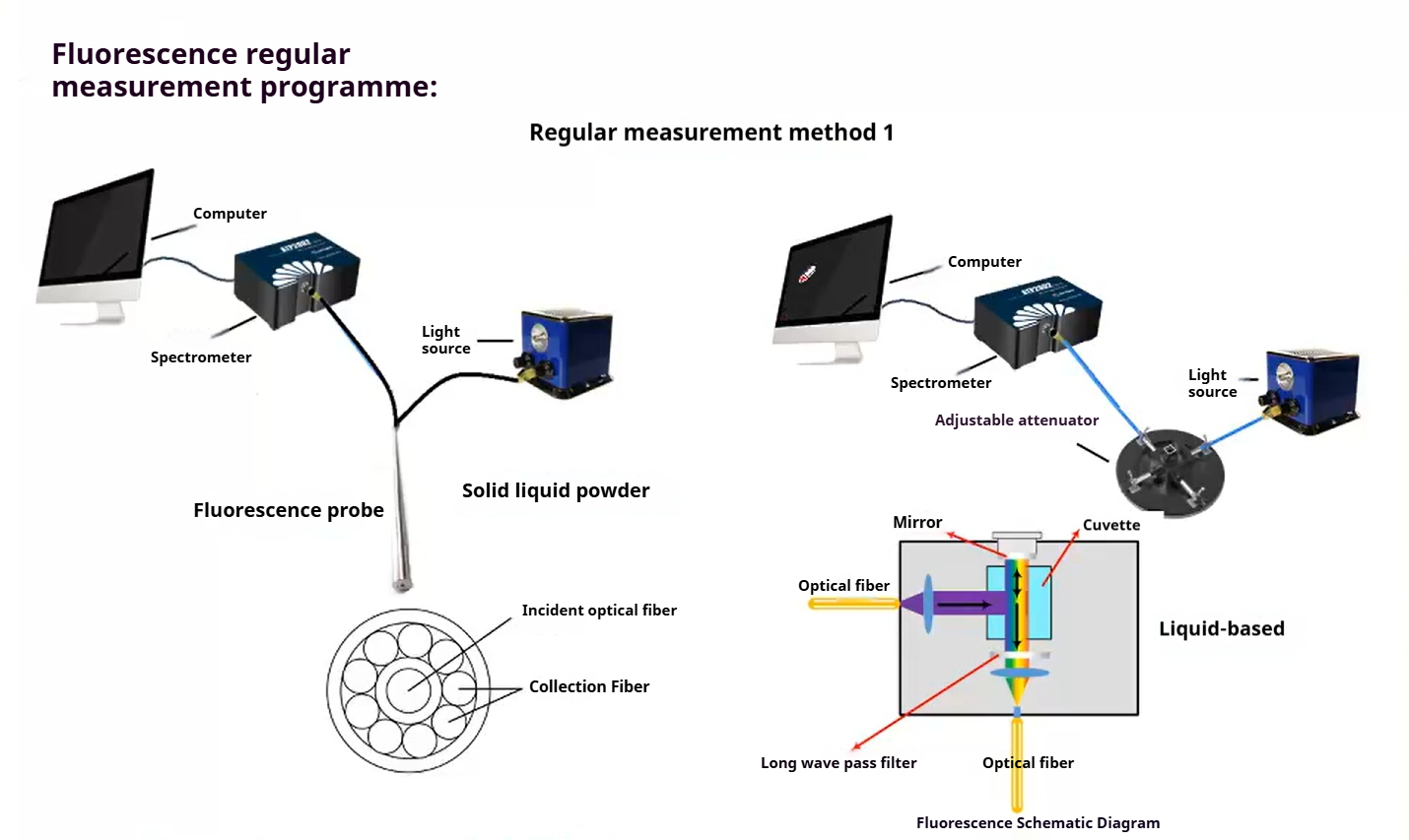
The fluorescence probe solution is composed of a spectrometer sensor, light source, and fluorescence probe. The light source transmits excitation light to the sample via a central core fiber bundle. The sample emits fluorescence upon excitation, which is collected by the edge fiber bundle of the probe and transmitted to the spectrometer. The fluorescence spectrum is output on the PC, allowing the analysis of the sample's molecular structure and function. Through this approach, fluorescence spectroscopy can be performed on solid, liquid, or powder samples to obtain key parameters such as their main components, concentration, and purity.
The cuvette solution typically focuses on liquid samples. The solution to be tested is excited by incident light, which then emits fluorescence. This fluorescence is collected by optical fibers and transmitted to the spectrometer sensor for analysis. Since the excitation light intensity is typically much higher than the fluorescence intensity, the excitation and detection optical paths are usually perpendicular to each other to minimize interference from the excitation light on the fluorescence signal.
This type of setup is easy to build, flexible, and simple to operate, offering high cost-effectiveness. It is an excellent choice for routine fluorescence spectroscopy measurements or experimental teaching!
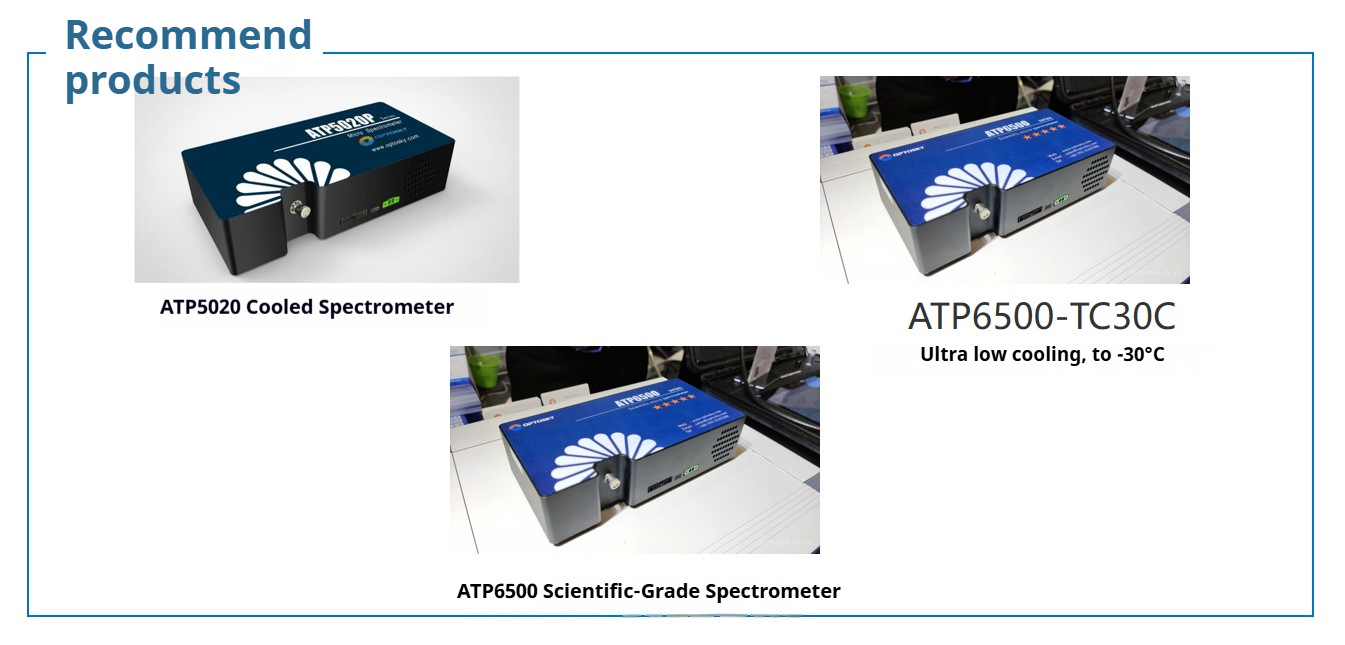
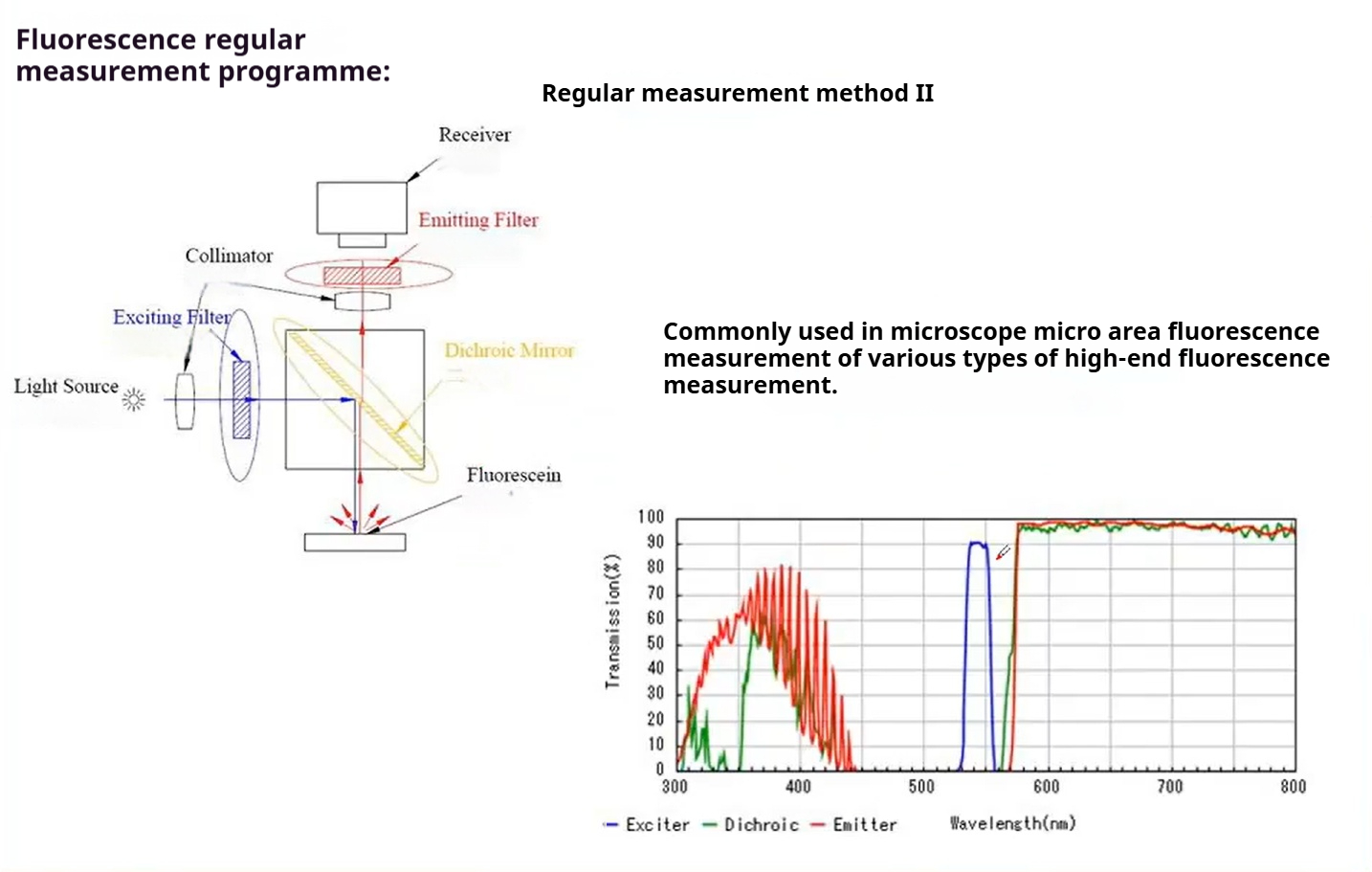
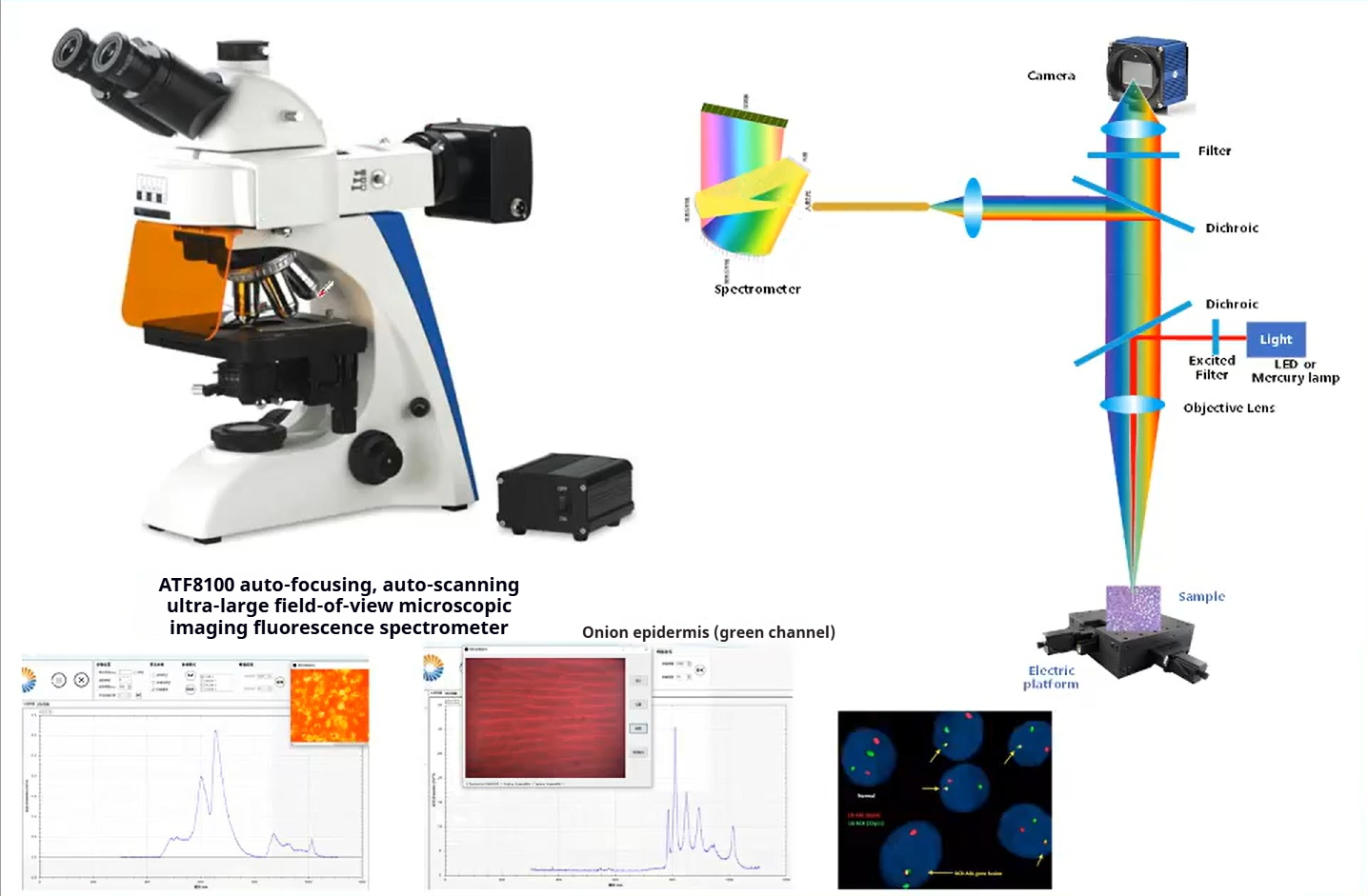
In addition to the above-mentioned measurement solutions, to achieve more advanced fluorescence spectroscopy measurements, Optosky has developed fluorescence spectroscopy systems by integrating the ATP series miniature spectrometer sensors with spectroscopic optical paths, microscopy systems, and CCD detection technology. For example, the ATF8100 Microscope Imaging Fluorescence Spectrometer meets the requirements for high-precision two-dimensional imaging fluorescence measurements, offering features such as an ultra-large field of view, automatic scanning, and automatic focusing.
Advantages and Applications of Spectrometer Sensors
- Miniaturization and Portability: Due to their small size and lightweight design, spectrometer sensors enable miniaturization and portability in fluorescence analysis. This characteristic allows spectrometer sensors to be used in laboratories, operating rooms, and even remote environments. They are also easy to integrate, providing great flexibility for fluorescence monitoring.
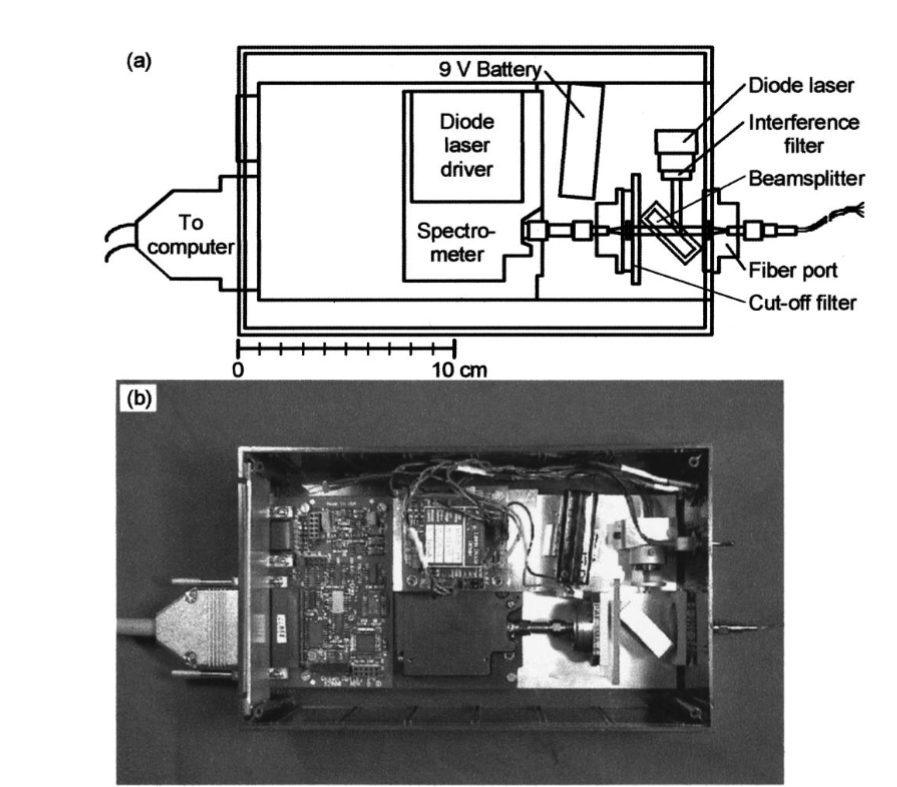
- High Sensitivity and Selectivity: Since fluorescence signals are typically lower in energy than the excitation light, spectrometer sensors with high sensitivity are required to capture these weak signals effectively.
- Real-time Analysis and Dynamic Monitoring: Spectrometer sensors can be used for real-time analysis and dynamic monitoring, especially in hazardous or extreme environments such as high temperatures, high pressure, toxic or explosive conditions. By transmitting signals through optical fibers, remote detection and on-site testing are made possible.
- Multidisciplinary Applications: Spectrometer sensors are not only widely used in scientific research but also in fields like national defense, drug safety, and law enforcement. These applications often require high-precision and high-sensitivity detection equipment. Optosky's ATP series spectrometer sensor products cover a wide range of models, each with its own advantages, making them well-suited to respond to various high-precision, high-sensitivity scenarios.
Application | Spectrometer Sensors in Film Thickness Measurement.
Product Introduction | ATP8000 Series NIR Spectrometer
Related Article