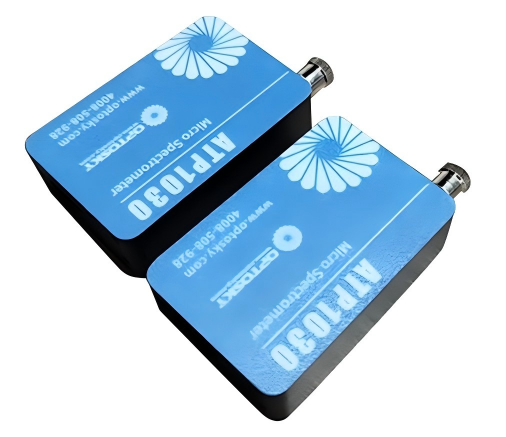
ATP2000 High SNR Spectrometer Sensor
The spectrometer sensor separates or disperses polychromatic light in space according to different wavelengths, in combination with a detector, to obtain information such as wavelength components and the intensity of each wavelength component. Typically, optical fibers are used as signal coupling devices to couple the measured light into the spectrometer for spectral analysis.
The performance of the spectrometer sensor is primarily determined by its core components, and different component specifications can lead to differences in the overall performance of the spectrometer.
Figure 1. Core Components of the Spectrometer Sensor and Their Functions
01Product Introduction
ATP2000 spectrometer sensor is a versatile, high signal-to-noise ratio product model launched by Optosky. It features a cross-type C-T optical path design, which is compact in structure and offers high sensitivity. Additionally, it is equipped with a UV-enhanced linear array CMOS sensor with 2048 or 4096 pixels, capable of testing in the wavelength range of 190-1100 nm, with the shortest exposure time reaching 0.2 ms. Furthermore, Optosky has incorporated a filter within the spectrometer to eliminate higher-order diffraction, preventing interference.
ATP2000 offers a range of derivative models for customers to choose from, catering to various complex application scenarios. Among them, the ATP2000P is the general-purpose UV-enhanced model, while the high-speed versions ATP2000H/SH and the xenon lamp-integrated version ATP2002 are also available.
02 Features
- Maximum Spectral Range: 190 nm - 1100 nm
- Signal Acquisition Frame Rate: Up to 4K fps
- Detector: Linear low-noise CMOS
- Detector Pixels: 2048 pixels
- Spectral Resolution: 0.1 - 3.0 nm (depending on spectral range and slit width)
- Optical Path Structure: Cross-type C-T
- Integration Time: 0.2 ms - 130 s
- Power Supply: DC 5V ± 5% or USB power supply
- ADC: 16-bit
- Fiber Input Interface: SMA905 or free-space input
- Data Output Interface: USB 2.0, UART, or dry-contact Ethernet
- 20-pin Dual-row Programmable Expansion Interface
Main Selling Points
- High UV Responsivity
- Balanced Performance, High Cost-Effectiveness, and Stability
- High Signal-to-Noise Ratio
03 Product Applications
Typical Applications:
- LED Sorting Machine
- Multi-parameter Online Water Quality Analyzer
- Trace and Rapid Spectrophotometer
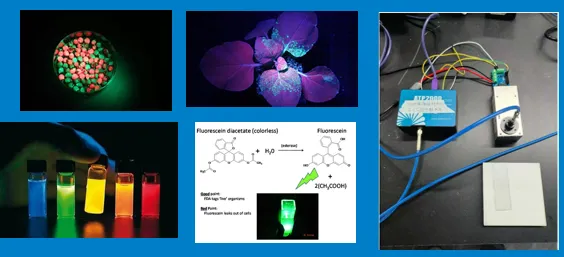
- Fluorescence Spectrometer
- Biochemical Analyzer
- Transmittance and Reflectance Detection
- LIBS (Laser-Induced Breakdown Spectroscopy)
Figure 2. Fluorescence Spectrum of Rhodamine Solution
Figure 3. Measurement of Lens Reflectance
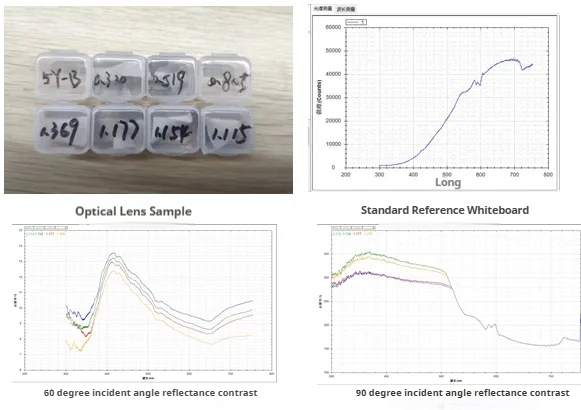
Figure 4. Schematic Diagram of Water Quality Monitoring
Figure 5. UV Flue Gas Analysis
Application of Spectroscopic Technology in Early Embryo Gender Detection of Chicken Eggs
Application: Spectrometer Sensor in LIBS Solutions
Related Article