
Fiber Optic Spectrometer Transmittance Measurement Scheme
author: Eliza
2024-08-28

Fiber Optic Spectrometer Transmittance Measurement Scheme
1. Principle of Transmittance Measurement
In transmittance measurement, materials like glass and optical filters are referred to as transparent or translucent bodies. A colorless transparent body allows most light to pass through. To quantify the extent of light transmission through a transparent material, transmittance is generally expressed as the ratio of the luminous flux that passes through the object to the incident luminous flux. The transmittance measurement in Optosky’s software is based on the following formula:
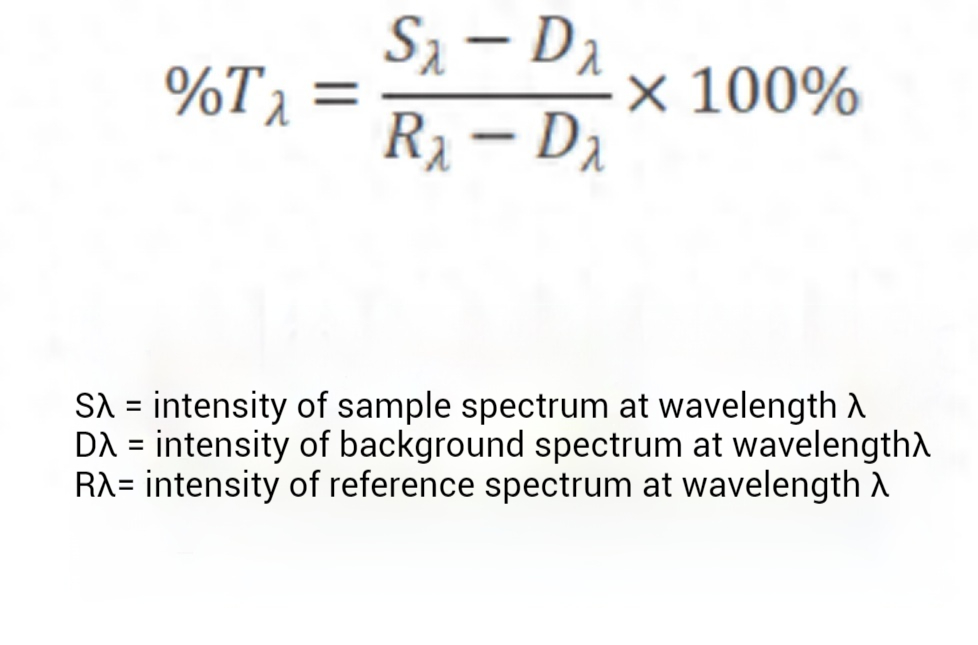
Dark Background Spectrum: This refers to the spectrum measured by the spectrometer when no light source is illuminating the sample.
Reference Spectrum: This is the spectrum obtained by measuring a standard sample with known transmittance characteristics under the same conditions as the test sample. The reference is typically air.
2. Typical System Configuration
A typical system configuration for transmittance measurement includes the following components:
PC: For controlling the system and processing data.
Spectrometer: The core device that captures the spectral data.
Spectrometer Control Software: Software on the PC for operating the spectrometer and analyzing results.
Light Source: Provides illumination for the sample.
Optical Fiber: Transmits light from the source to the sample and then to the spectrometer.
Transmittance Integrating Sphere Holder: A fixture used to hold the sample and ensure accurate transmittance measurement.
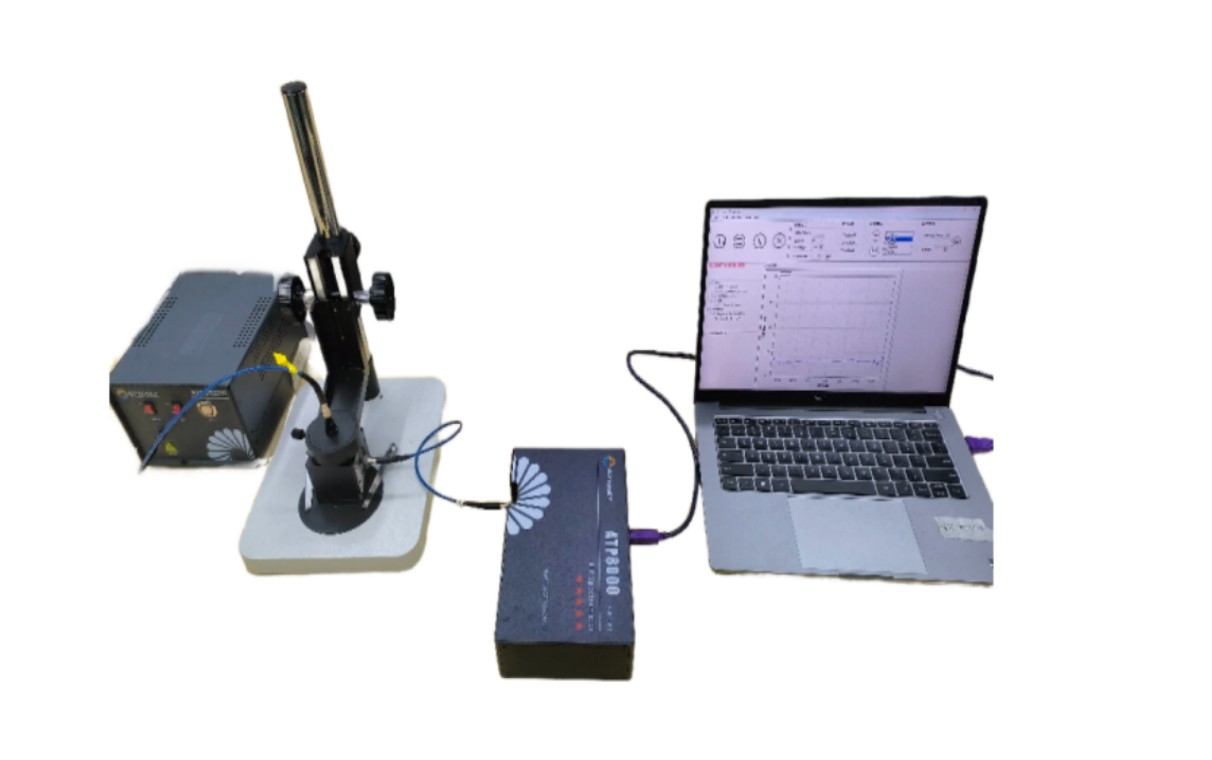
Table 1: Transmittance Measurement System Configuration List
|
UV-visible band
|
Near infrared band
|
|
|
Spectrometer
|
Cost-effective spectrometer ATP2000P
|
Infrared spectrometer ATP8000
|
|
Light source
|
Deuterium halogen combination light source ATG1020H
|
Deuterium halogen combination lamp light source ATG1020H
|
|
Transmission integrating sphere and bracket
|
74-TCHP
|
74-TCHP
|
|
Diffuse reflectance standard white board
|
FJ00024
|
FJ00024
|
|
Optical fiber
|
UV optical fiber FJ00095 x2
|
Infrared optical fiber FJ00084 x2
|
|
Attenuator
|
(Optional, an additional optical fiber is required)
|
|
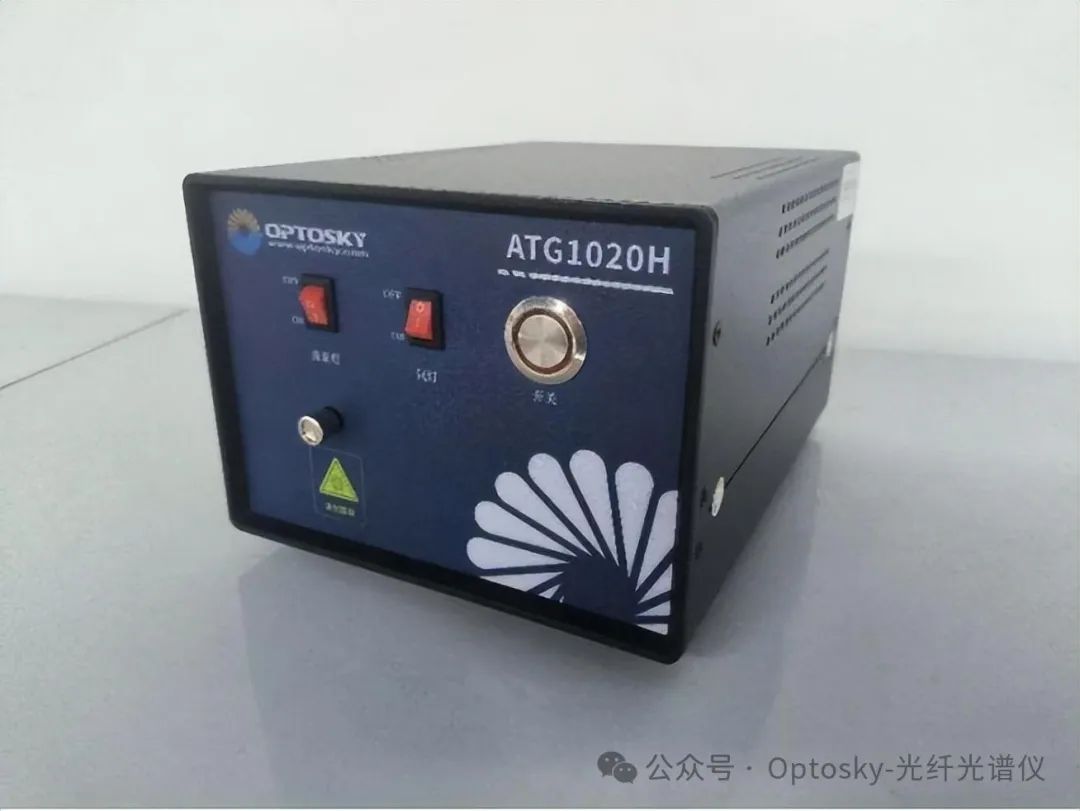
ATG1020H Light Source Introduction
The ATG1020H from Optosky is a deuterium-halogen combination light source that uses a deuterium lamp from Hamamatsu, Japan, to produce a stable output spectrum from 180 to 400 nm. The halogen lamp uses a long-life, high-stability bulb from Osram, with a lifespan of up to 5000 hours, and features a self-designed high-reliability constant current drive. The ATG1020H is characterized by its long lifespan, low light degradation, and high output power, making it suitable for traditional desktop spectrometers as well as portable mini-spectrometers. The ATG1020 deuterium light source can be equipped with a cuvette holder for direct transmission and absorption testing of cuvettes or optical filters.
Basic Operation Steps:
Connect the light source to a 12V power adapter and turn on the power switch.
Start the light source and allow it to warm up for 10 minutes to reach a stable state.
After connecting the optical fiber to the light source, use the switch to individually activate the deuterium lamp or halogen lamp.
Transmittance Integrating Sphere Introduction
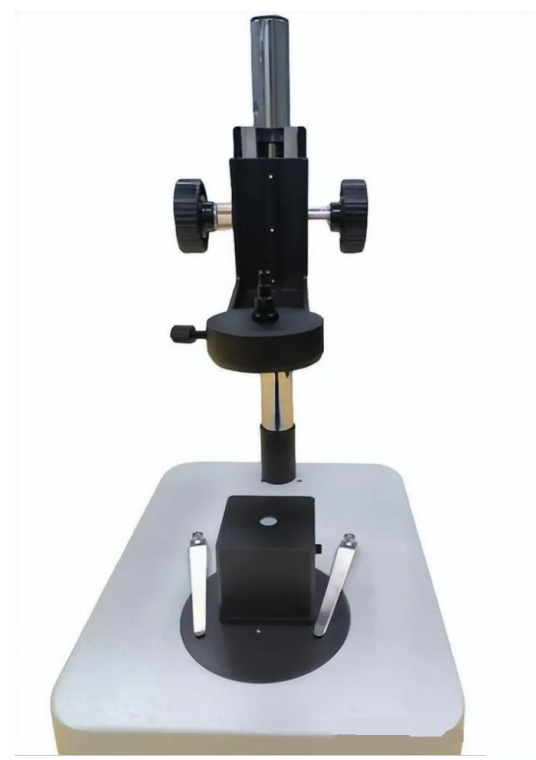
This transmittance integrating sphere light source is made from imported PTFE material that has been high-temperature sintered, ensuring excellent stability and suitability for UV to near-infrared spectral measurement applications, with good Lambertian properties across this range. The PTFE material is highly stable, resistant to oxidation and yellowing, and easy to maintain.
The integrating sphere light source features an SMA905 connector (connector type can be customized based on specific needs). It includes a collimating lens positioned at the front end where the sample is illuminated. The interface for receiving light transmitted through the sample is perpendicular to the optical path. The light output and reception ports are at a 90° angle, perpendicular to the integrating sphere output, and are used to connect to the spectrometer.
3. Transmittance Measurement Hardware Operation
To set up the transmittance measurement system, follow these steps:
Connect the Equipment:Connect the light source to the integrating sphere's light input port using an optical fiber.Connect the integrating sphere's light output port to the fiber optic spectrometer using another optical fiber.
Connect the Spectrometer to the PC:Use a USB data cable to connect the spectrometer to the PC.Open the control software on the PC.
Power the Light Source:Provide power to the light source using a 12V power supply.
Collect Dark Background Spectrum:Turn off the light source.Collect the dark background spectrum with no input light to the spectrometer.
Preheat and Adjust the System:Turn on the light source and allow it to warm up for 10 minutes.Adjust the integrating sphere holder so that the cover seals the sample port of the integrating sphere properly.Collect the reference spectrum data.
Place the Sample:Remove the cover from the holder.Place the sample in the sample port of the integrating sphere.Adjust the holder so that the cover seals the sample port properly.
Measure the Sample Transmittance:Perform the transmittance measurement of the sample.
4. Transmittance Testing Case
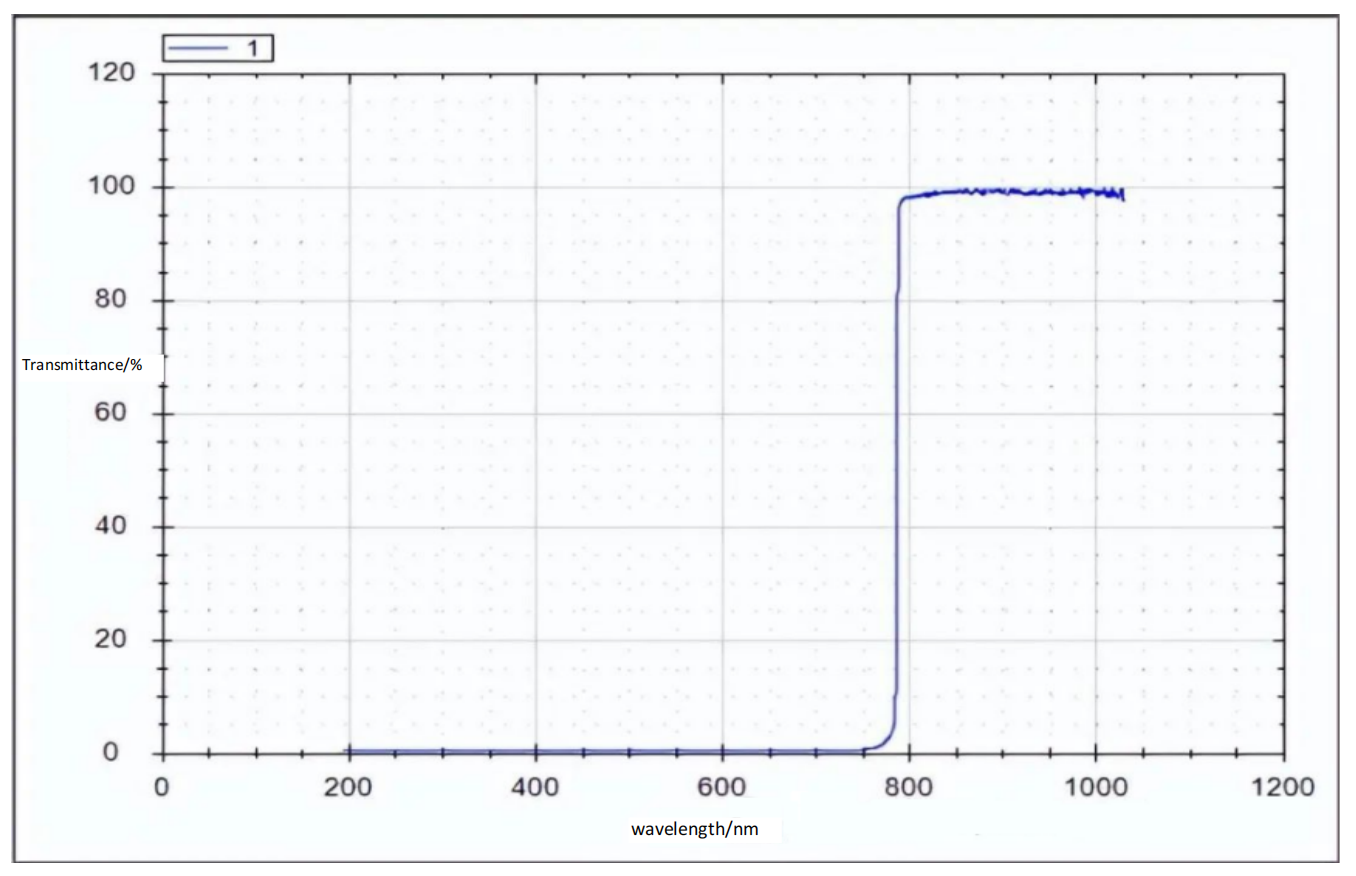
4.1 Test Sample: 785 nm Long-Wave Pass Filter
Product Recommendation | ATP7810 IR Grating Spectrometer
How does a grating spectrometer work?
Related Article

The ATP7810 is a wide-band, high-resolution infrared grating spectrometer covering up to 0.9–5 μm. Featuring a motorized rotating grating, multiple detector options (InGaAs/MCT), and flexible interfaces (SMA905 or free space, USB/UART control), it delivers high SNR and stability for absorption/reflection/transmission spectroscopy, laser wavelength testing, and fiber optic sensing.
New Product Recommendation | ATP7810 Ultra-Wide Range Infrared Spectrometer Series

This study uses the ATP5200P UV-Vis spectrometer to investigate xanthate adsorption on chalcopyrite surfaces. By analyzing absorbance at 300 nm under controlled pH and temperature, the method optimizes flotation conditions for copper recovery, enabling real-time, sensitive detection of adsorption mechanisms in non-ferrous mineral processing.
Using the ATP5200P Spectrometer to Unravel Xanthate Adsorption and Separation Mechanisms

ATP1030 is an ultra‑compact, high‑resolution spectrometer covering 190–1100 nm. With a 1024‑pixel CMOS detector, adjustable integration time down to 1 ms, and USB‑powered design, it delivers reliable performance for applications like online water analysis, color measurement, handheld instruments, and Raman spectroscopy.
Product Recommendation | ATP1030 mini spectrometer Spectrometer

Vis-NIR transmission spectroscopy enables non-destructive identification of infertile duck eggs before incubation, achieving >95% accuracy. By detecting spectral fingerprints (e.g., 836 nm peak for fertile eggs), this method reduces energy waste and improves hatch rates, offering a low-cost, high-throughput solution for modern poultry farming.
Application case | How Spectral Technology is Transforming Duck Egg Farming