
Forest Fire Prevent
author: Callum
2024-09-20
Forest fuel is the material basis for forest fires, and surface litter is one of the most easily ignited forest fuels. Therefore, the moisture content of this litter directly affects the likelihood of forest fires and fire behavior. Traditionally, the moisture content of forest surface litter is measured using a long-term field sampling method, where litter is collected and weighed to determine moisture content. This method, combined with meteorological conditions, helps construct moisture content prediction models. However, these models are significantly influenced by forest type, environmental, and weather conditions, posing a major challenge to the accurate prediction of forest fire risk.
The weighing method involves quickly placing collected litter into sealed bags, transporting them to the laboratory to measure fresh weight, drying them in an oven until the weight stabilizes, and then measuring the dry weight. The moisture content is then calculated based on these measurements, and a prediction model is constructed using meteorological data. However, this method is restricted by various factors, making it difficult to accurately predict moisture content. Hence, real-time measurement of moisture content is crucial. Currently, there are few reports on real-time measurement methods for forest surface litter moisture content.
Given that water molecules in forest surface litter absorb infrared light through the stretching and bending vibrations of hydroxyl (OH) groups, the absorption wavelength varies depending on the hydrogen bonding between water molecules or between water and other molecules. Different moisture contents also directly affect the intensity of infrared spectral absorption. This provides a theoretical basis for using infrared spectral absorption technology to achieve real-time measurement of forest surface litter moisture content. This study measured the infrared absorption spectra of vegetation at different moisture contents, analyzing the correlation between moisture content and various spectral parameters. This analysis provides a basis for selecting light sources and detectors and lays the groundwork for future spectral methods to measure moisture content in forest surface litter in real-time.
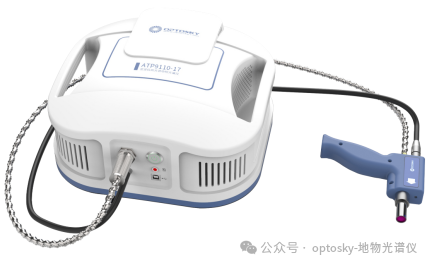
As field spectrometry technology matures, Field Spectrometers have made significant advances in predicting vegetation moisture content, enabling effective forest fire prevention through vegetation study models. Field spectrometry technology is characterized by its rapid, macroscopic, and dynamic capabilities. Optosky's self-developed ATP9100W and ATP9110 series Field Spectrometers, with a wavelength range of 300-1700nm, are suitable for a wide range of applications, from remote sensing measurement, crop monitoring, and forest research to oceanography. The ATP9100W and ATP9110 series Field Spectrometers are cost-effective, fast, accurate, easy to operate, and portable, equipped with a powerful software package. In addition to reflectance measurements, they can also be used for radiometry, photometry, and colorimetry.
Water Quality Monitoring
Impact of Haze on Field Spectral Measurements
Related Article

This study distinguishes natural emeralds from synthetic ones by analyzing their UV-visible-NIR spectral features. Key findings reveal distinct Fe-related and water absorption peaks in natural emeralds, enabling accurate identification.
Using Field Spectroradiometer for Synthetic Emerald Identification
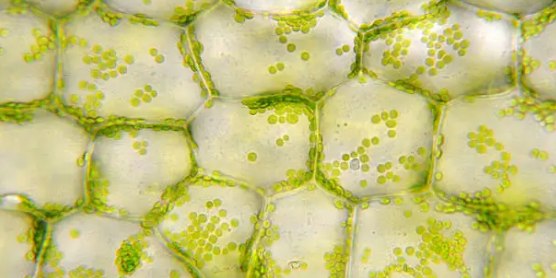
This article investigates using a Field Spectroradiometer to identify chlorophyll concentration in rice leaves. The study highlights the effectiveness of hyperspectral technology for assessing chlorophyll levels in rice leaves using field-based spectral data.
Using Field Spectroradiometer to Identify Rice Chlorophyll Concentration
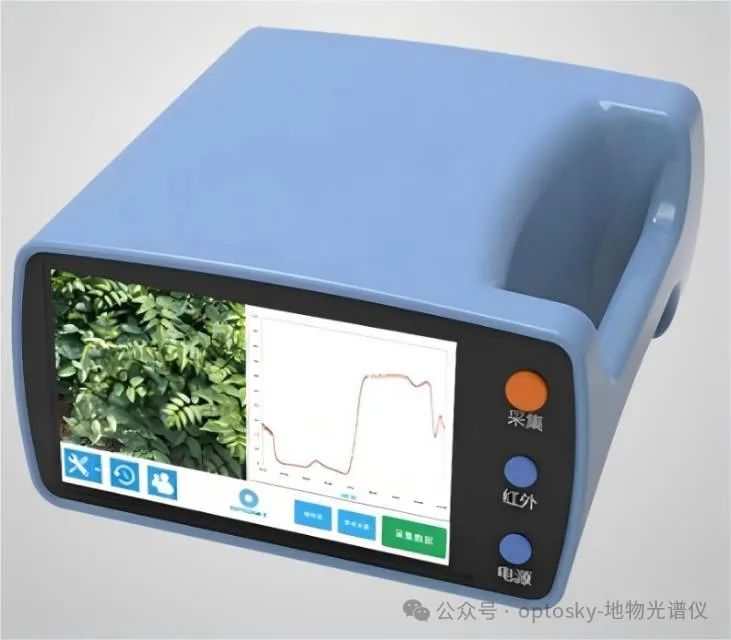
This post introduces the application of field spectrometry technology in predicting and monitoring water pollution. By examining the relationship between water body reflectance spectra and water quality indicators, it demonstrates how spectral technology can be used for large-scale water quality monitoring and dynamic tracking of water pollution development.
Water Quality Monitoring