
Water Quality Monitoring
author: Callum
2024-09-20
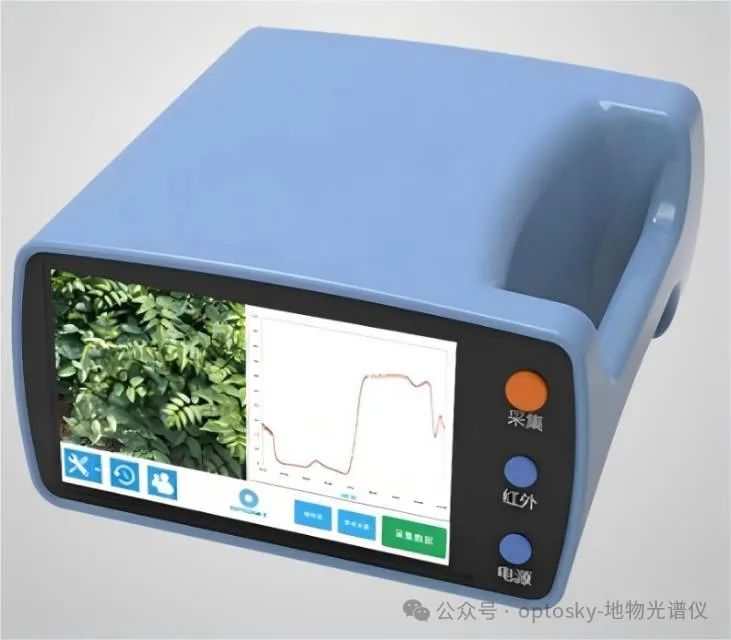
Water is the source of life, the foundation for human survival, production, and daily life. Adequate and high-quality water resources are essential for the healthy functioning of ecosystems. However, water resources are highly susceptible to pollution, particularly in inland water bodies where natural enclosures exacerbate pollution issues. Additionally, water resources act as carriers for pollutants, dynamically spreading and intensifying water pollution. With rapid economic development and increased human activity, water quality issues in rivers, ponds, lakes, and streams have become increasingly severe, posing a significant threat to sustainable development. Therefore, it is crucial to employ advanced technologies to address water quality pollution.
As field spectrometry technology continues to mature, Field Spectrometers have made significant advances in predicting water quality. By studying the relationship between the spectral reflectance characteristics of water bodies and water quality indicators, predictive algorithms for water quality indicators can be established. Field spectrometry technology is characterized by its rapid, macroscopic, and dynamic capabilities, making it ideal for large-scale water quality monitoring and for tracking the development of water pollution over time. This technology offers irreplaceable advantages.
As field spectrometry technology continues to mature, Field Spectrometers have made significant advances in predicting water quality. By studying the relationship between the spectral reflectance characteristics of water bodies and water quality indicators, predictive algorithms for water quality indicators can be established. Field spectrometry technology is characterized by its rapid, macroscopic, and dynamic capabilities, making it ideal for large-scale water quality monitoring and for tracking the development of water pollution over time. This technology offers irreplaceable advantages.
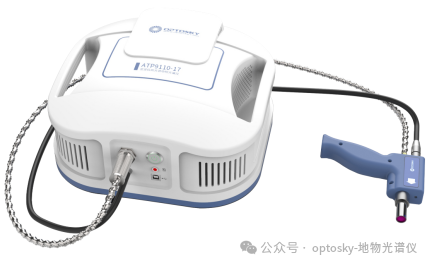
Optosky's self-developed ATP9100 series Field Spectrometers, with a wavelength range of 300-1100nm, are suitable for a wide range of applications, from remote sensing measurement, crop monitoring, and forest research to oceanography. The ATP9100 series Field Spectrometers are cost-effective, fast, accurate, easy to operate, and portable, equipped with a powerful software package. In addition to reflectance measurements, they can also be used for radiometry, photometry, and colorimetry.
Field Spectroradiometer Kiwi Ripeness Detection
Forest Fire Prevent
Related Article

This study distinguishes natural emeralds from synthetic ones by analyzing their UV-visible-NIR spectral features. Key findings reveal distinct Fe-related and water absorption peaks in natural emeralds, enabling accurate identification.
Using Field Spectroradiometer for Synthetic Emerald Identification
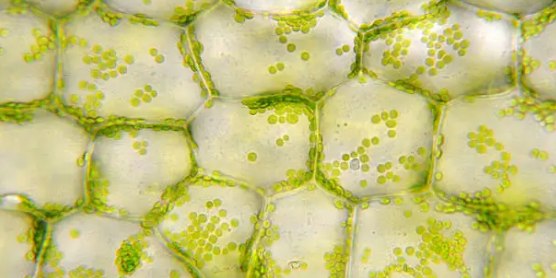
This article investigates using a Field Spectroradiometer to identify chlorophyll concentration in rice leaves. The study highlights the effectiveness of hyperspectral technology for assessing chlorophyll levels in rice leaves using field-based spectral data.
Using Field Spectroradiometer to Identify Rice Chlorophyll Concentration
This post explores the importance of real-time measurement of moisture content in forest litter using infrared spectroscopy. It discusses how different moisture levels influence the infrared absorption spectrum of vegetation and explains how spectral data can be used to build predictive models for forest fire prevention.
Forest Fire Prevent