
Introduction to Common Types of Spectrometers
A spectrometer is a scientific instrument used to analyze the interaction between light and matter. It is capable of decomposing composite light into monochromatic light of different wavelengths and recording the intensity distribution of each wavelength.
01 Common Types of Spectrometers
According to different classification standards, spectrometers can be divided into various types, each with its unique principles and applications.
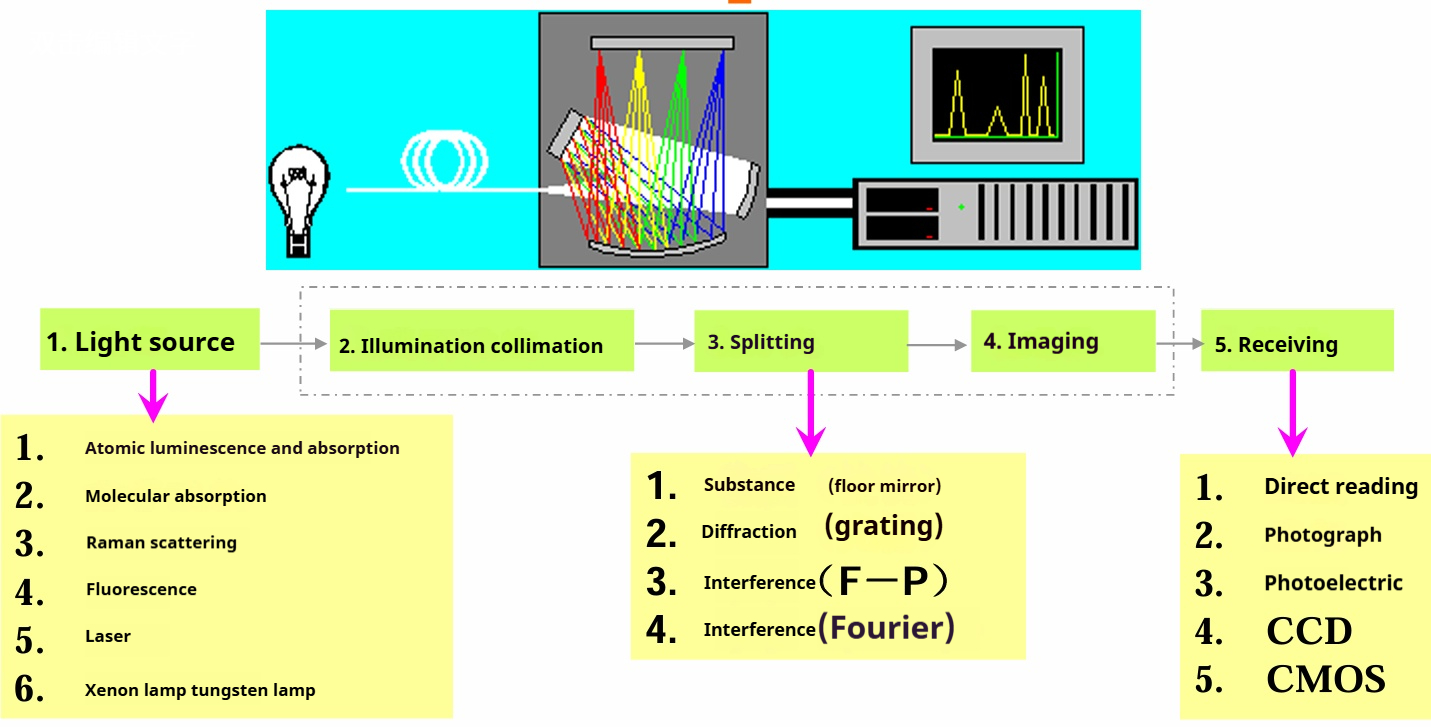
Figure 1: Structural Diagram of a Spectrometer
Classification by Principle:
- Absorption Spectroscopy: Includes ultraviolet absorption, visible absorption, infrared absorption, etc., used to detect the absorption of light by a sample at specific wavelengths.
- Emission Spectroscopy: Includes fluorescence, Raman spectroscopy, etc., used to detect the spectra emitted by a sample after excitation.
- Optical Rotation Spectroscopy: Used to measure a sample's ability to rotate polarized light.
Classification by Application:
- Molecular Spectroscopy: Involves the absorption or emission spectra when molecular energy states change, such as infrared spectroscopy, ultraviolet-visible spectroscopy, etc.
- Atomic Spectroscopy: Involves the absorption or emission spectra when atomic energy levels change, such as atomic absorption spectroscopy, atomic fluorescence spectroscopy, etc.
Classification by Dispersion Element:
- Prism Spectrometer: Uses a prism as the dispersing element to spread different wavelengths of light through refraction.
- Diffraction Grating Spectrometer: Uses a diffraction grating as the dispersing element to spread different wavelengths of light through diffraction, offering higher resolution.
- Interferometer Spectrometer: Uses interference principles for spectral analysis, commonly used in high-precision spectral measurements.
There are various classification standards for spectrometers, and different types are available based on different applications. This article primarily categorizes spectrometers by their dispersion elements and briefly introduces several common types and their main application directions.
02 Introduction to Common Spectrometers
Prism Spectrometer
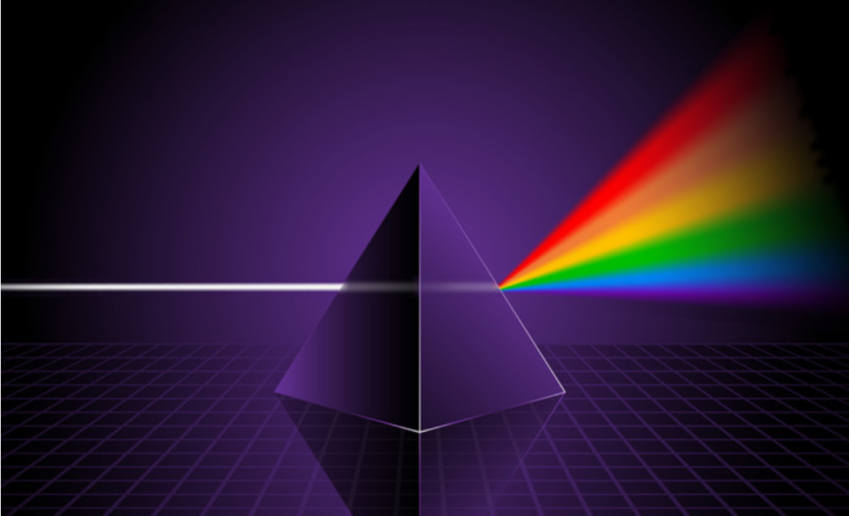
Figure 2:Prism Spectrometer
The Prism Spectrometer is an instrument that uses a prism to refract light of different wavelengths. Through the refractive action of the prism, light of different wavelengths is refracted at different angles, thereby achieving the separation and analysis of the spectrum. Prism spectrometers are widely used in fields such as Earth resource surveys, environmental monitoring, medical devices, and natural disaster detection.
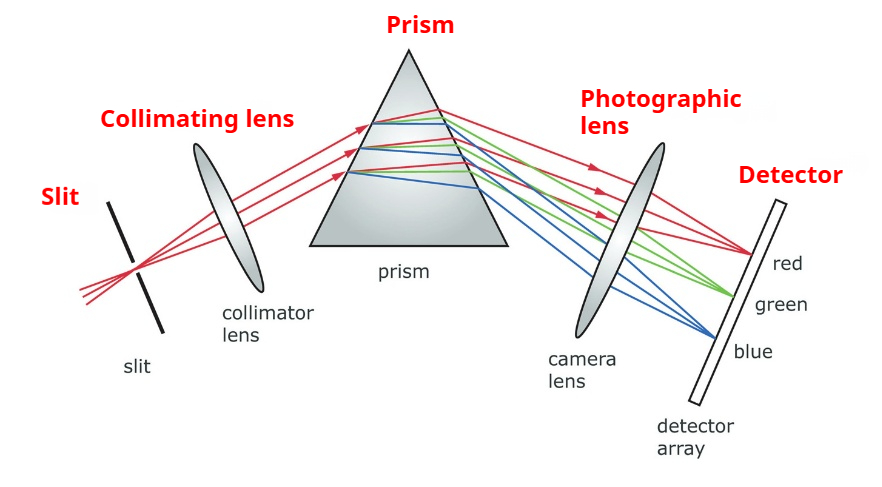
Figure 3: Structural Diagram of a Prism Spectrometer
The spectral resolution of a prism spectrometer is mainly determined by the following factors:
- Prism Dispersion: The stronger the dispersion, the higher the resolution.
- Focal Length of Collimating and Imaging Lenses: The longer the focal length, the higher the resolution.
When designing a prism spectrometer, the selection and optimization of dispersion elements are typically considered. For example, a Prism-Grating-Prism (PGP) combination can effectively correct spectral curvature and line distortion, improving the performance of imaging spectrometers. Additionally, the choice of prism material is crucial; prisms made from different materials exhibit different dispersion characteristics. For instance, a fluorite (CaF2) and fused silica material combination in a chromatically corrected prism set can optimize dispersion nonlinearity.
The design of a prism spectrometer also needs to consider factors such as optical axis alignment, dispersion linearity, and aberration correction. For example, using a design with three bonded prisms can ensure that the central wavelength is not deviated, with dispersion approaching linearity. Furthermore, optimizing materials and structure can improve spectral resolution and dispersion uniformity.
In practical applications, prism spectrometers can be enhanced by integrating other optical components and technologies. For example, off-axis correction lenses can effectively correct large-field aberrations and dispersion nonlinearity. Additionally, a wide-field interferometric imaging spectrometer based on a composite prism can expand the field of view using polarization interference techniques, improving optical performance.
Diffraction Grating Spectrometer
Diffraction grating dispersion is currently the most widely used spectral dispersion mode. Optosky mainly uses blazed gratings as the dispersion element in their spectrometers. Depending on whether the grating is fixed or not, common types of spectrometers are typically divided into fiber optic spectrometers and grating spectrometers.
Spectrometer Sensor:
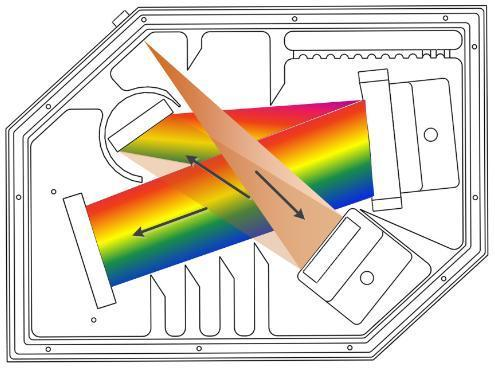
Figure 4: Spectrometer Sensor
Inside a spectrometer, a fixed diffraction grating is typically used. The light to be measured is coupled into the spectrometer via optical fibers for analysis, and a CCD or CMOS sensor is employed to capture the spectrum across the entire spectral range.
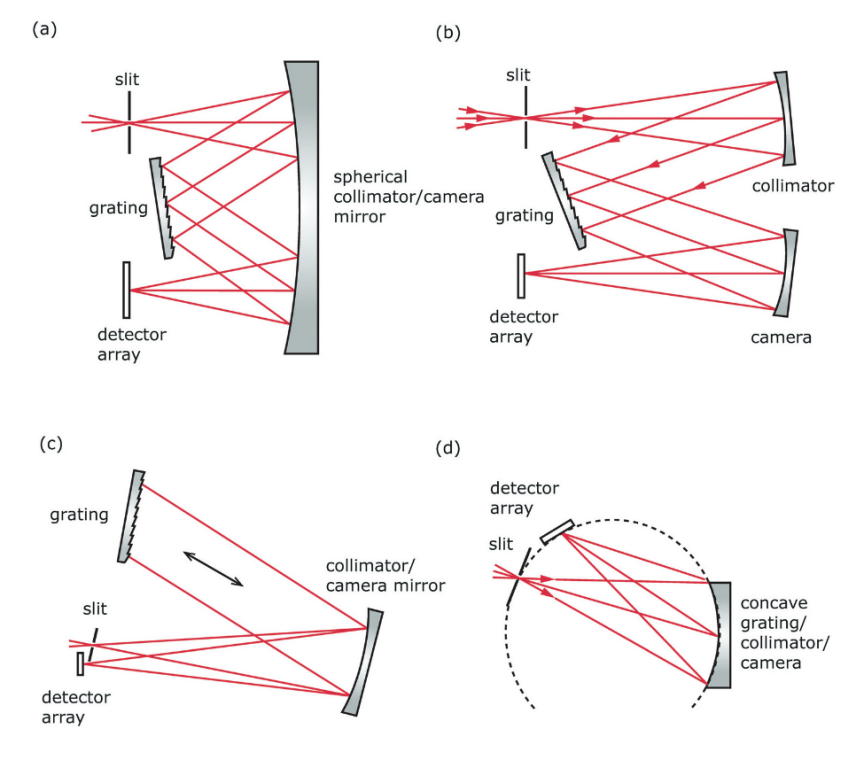
Figure 5: Optical Path Structure of a Fiber Optic Spectrometer
The basic structure of a fiber optic spectrometer consists of fiber connectors, an entrance slit, collimating mirrors, a diffraction grating, a focusing optical system, and a detector. Based on the internal optical path system, fiber optic spectrometers can be divided into reflection-type and transmission-type. The most common optical configurations for reflection-type paths are: the basic Czerny-Turner optical path structure (non-crossed) and the crossed Czerny-Turner optical path structure.
Due to the use of optical fibers for coupling, fiber optic spectrometers allow flexible setup of spectral acquisition systems, making them very convenient for integration into various systems. Fiber optic spectrometers are "customizable" products that can be equipped with different optical path structures, slit sizes, and grating line densities to meet the requirements of different scenarios. Due to their modularity and high integration, they are widely used in fields such as agriculture, biology, chemistry, geology and archaeology, gem testing, food safety, colorimetric analysis, environmental monitoring, healthcare, LED testing, semiconductor industries, and petrochemical sectors.
Grating Spectrometer: Typically uses a diffraction grating to decompose composite light into spectra of different wavelengths. Different wavelengths are scanned by rotating the grating or moving the slit.
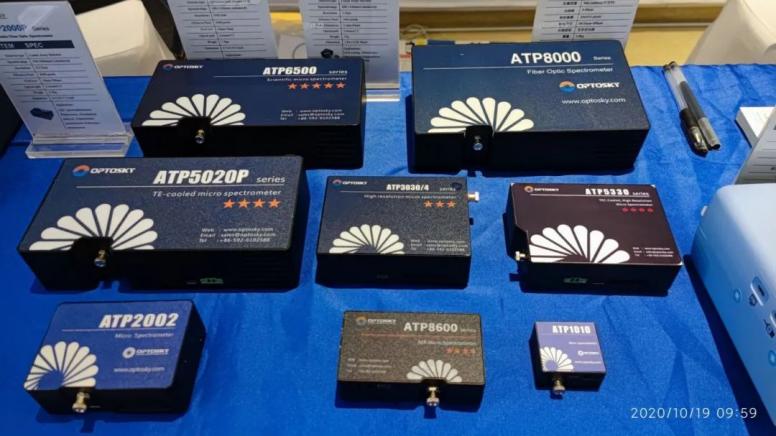
Figure 6: Some Standard Grating Spectrometers
These spectrometers typically feature a rotating diffraction grating, and often include multiple gratings internally, allowing for switching between them. This design provides multiple spectral ranges, balancing an ultra-wide spectral range with ultra-high optical resolution. As a result, they are suitable for applications that require high resolution and high sensitivity, and can be flexibly adapted for scene testing across different wavelength ranges.
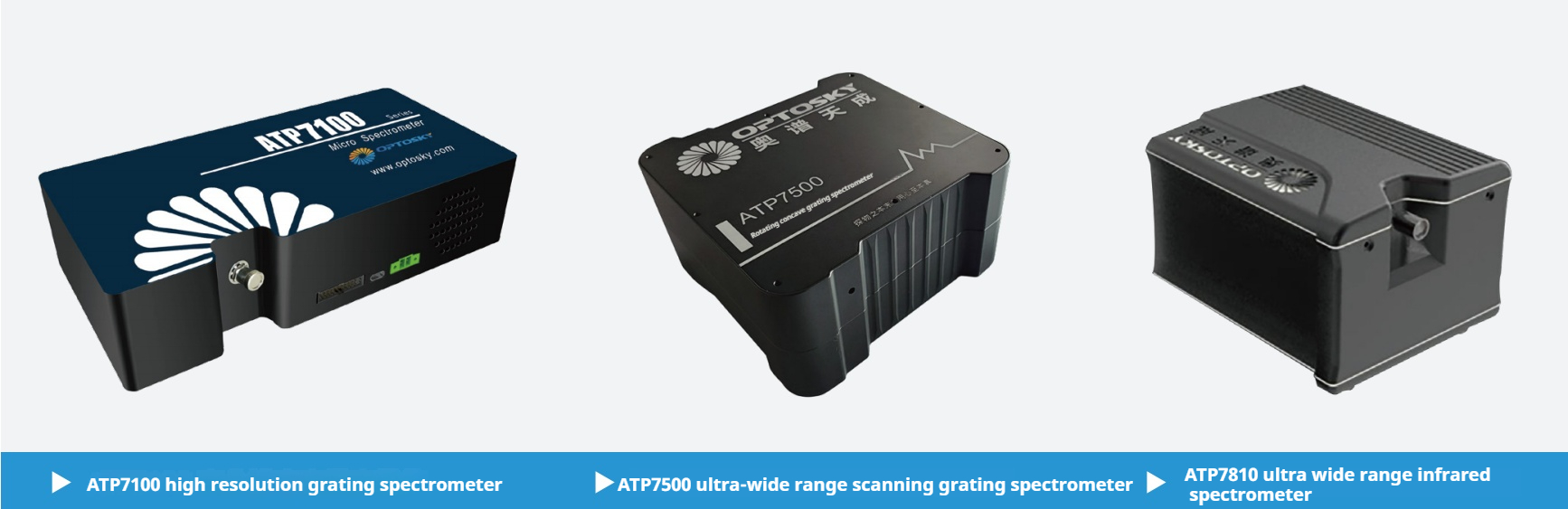
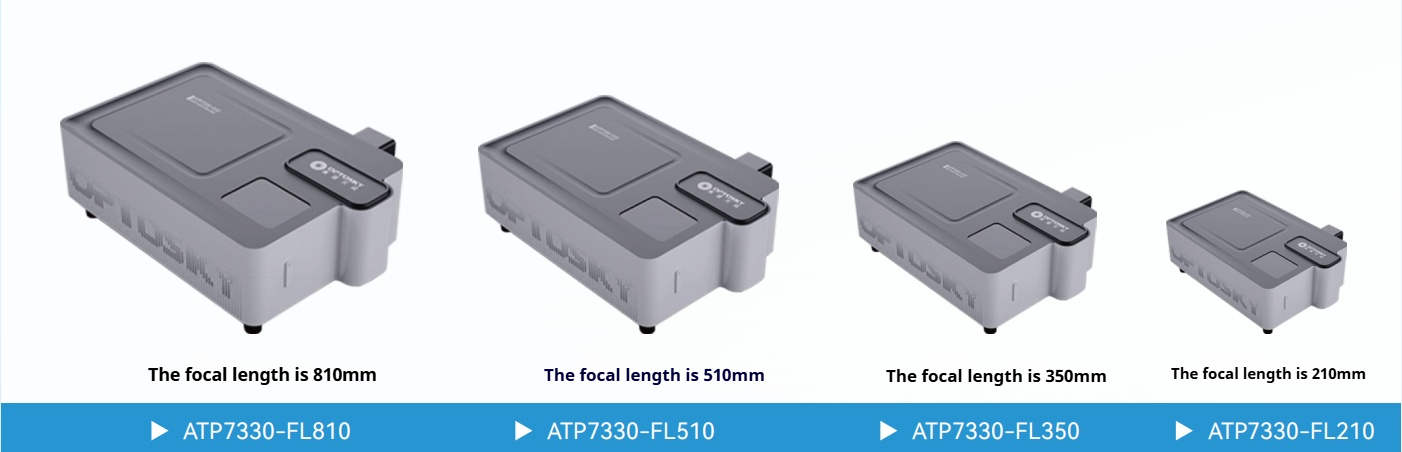
Figure 7: Optosky Grating Spectrometer
Optosky has been deeply involved in the spectroscopy industry for many years and has successfully launched a full range of grating spectrometer products. These spectrometers use high-precision motors to drive the grating for rotational scanning, offering features such as a wide spectral range, large dynamic range, high resolution, and flexible configurations. Additionally, they can be equipped with various detectors, enabling detection across wavelengths from deep ultraviolet to mid- and far-infrared.
Interferometric Spectrometer
An interferometric spectrometer is an instrument that performs spectral measurements based on the principles of interference, with its core component being the interferometer. The interferometric spectrometer introduces phase changes to the incident light and arranges for coherent interference at the desired frequency, while destructive interference occurs at all other frequencies to achieve spectral separation.
Interferometric spectrometers typically utilize structures such as Fizeau (F-P) interferometers or Michelson interferometers, where the movement of a mirror generates different optical path differences, thereby creating interference patterns. These interference patterns are then processed using Fourier transforms to obtain the spectral information of the target object.
Fabry-Perot (F-P) Spectrometer:
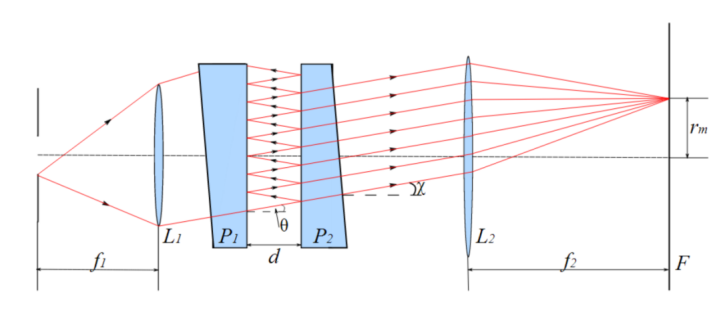
Figure 8: Schematic Diagram of the F-P Cavity Optical Path
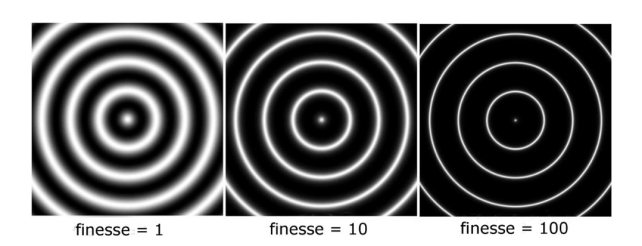
Figure 9: Detector Imaging with Concentric Circles. Higher Reflectance Results in Sharper Patterns.
The F-P Interferometer works based on the phenomenon of multi-beam interference. When incident light undergoes multiple reflections between two parallel mirrors, light beams of different path lengths interfere with each other, forming concentric circular interference fringes. The fineness of these fringes depends on the reflectivity and parallelism of the mirrors, as well as the length of the cavity. By adjusting the cavity length or reflectivity, precise control of the interference fringes can be achieved, leading to high spectral resolution.
Features:
- Provides imaging in addition to spectroscopy (different incident angles appear at different positions on the detector).
- Compact size with extremely high spectral resolution.
- Requires strict temperature control and isolation from physical disturbances.
- High precision is needed for the flatness of the cavity mirror surfaces.
FTIR:
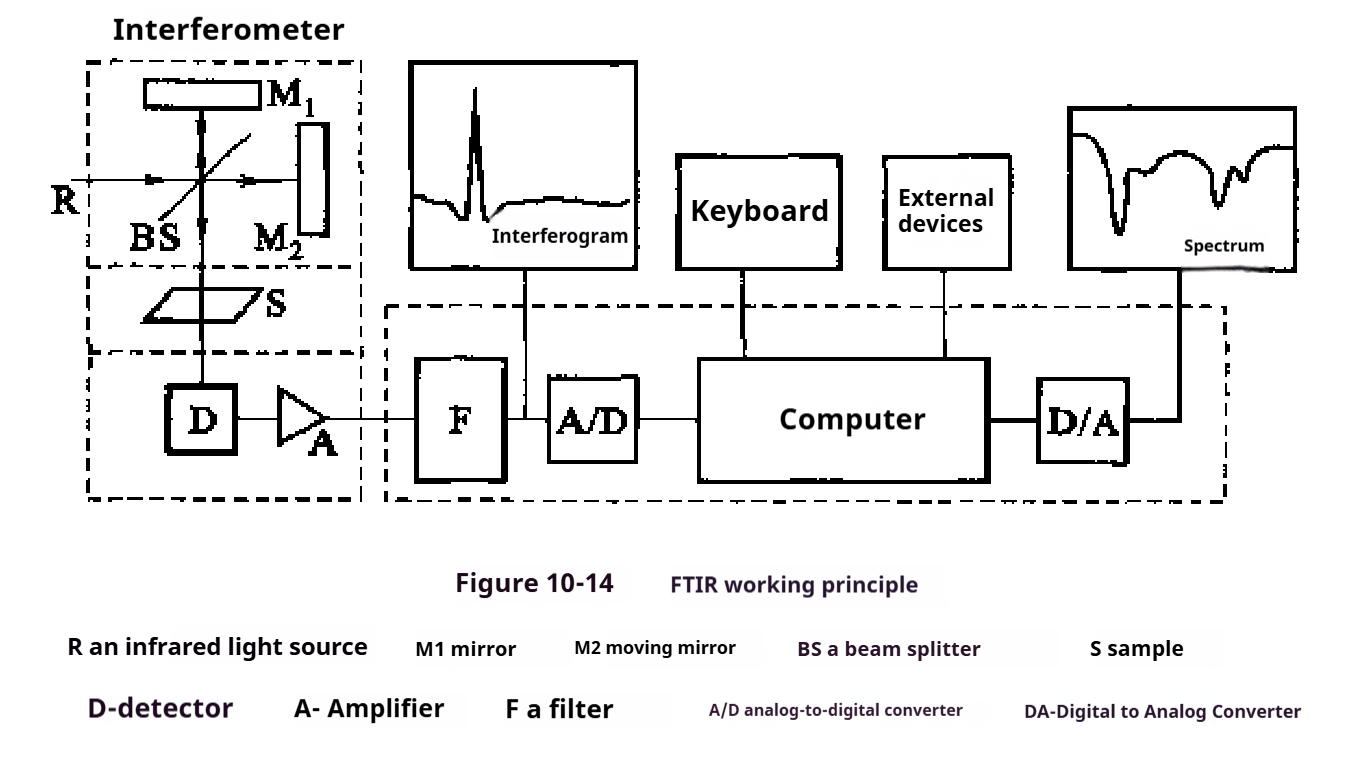
FTIR primarily relies on a Michelson interferometer to obtain spectral information through interference patterns. The light emitted by the source is split into two beams by a beamsplitter. After passing through the sample and reference paths, the beams are recombined to form an interference pattern. This pattern is then analyzed using a Fourier transform to produce the infrared spectrum. FTIR spectrometers are widely used for qualitative and semi-quantitative analysis of material chemical bonds, as well as for measuring the absorption of infrared light by substances.
Features:
- Can simultaneously obtain spectral information across all wavelengths. When the detector's own noise is dominant, increasing the wavelength range of the collected spectrum does not reduce the noise; on the contrary, the wider the wavelength range, the better the signal-to-noise ratio.
- Can provide very high spectral resolution without requiring a large volume.
- Operates in the mid- and far-infrared wavelength ranges, offering a broad spectral range.
03 Comparison of Various Spectrometers
In addition to fiber optic spectrometers, Optosky also supplies a full range of FTIR and grating spectrometer products, offering various models that support detection needs for gases, liquids, solids, and more. These spectrometers serve industries and research fields, supporting applications across various sectors. Optosky has already provided professional spectral testing solutions for clients in applications such as LIBS, fluorescence spectroscopy, chemical analysis, Raman spectroscopy, color measurement, laser wavelength analysis, LED sorting, imaging and lighting, and sensor devices.
Due to differences in dispersion principles, fiber optic spectrometers, grating spectrometers, and FTIR spectrometers each have unique performance characteristics and are applied in different scenarios.
Performance Features:
- Fourier Transform Infrared Spectrometer (FTIR): Offers high resolution, high signal-to-noise ratio, fast scanning capabilities, and a wide spectral range, making it especially suitable for analysis in the mid- and far-infrared bands.
- Grating Spectrometer: Simple structure, lower cost, but with relatively lower resolution and signal-to-noise ratio, requiring a trade-off between wavelength range, resolution, and signal-to-noise ratio.
- Fiber Optic Spectrometer: Characterized by high resolution and a wide measurement range, suitable for ultraviolet, visible, near-infrared, and infrared measurements, although its resolution and stability may not match those of FTIR spectrometers.
Applications:
- FTIR: Widely used in material chemical bond analysis, atmospheric detection, food analysis, etc., particularly suitable for applications requiring high resolution and sensitivity.
- Grating Spectrometer: Commonly used in laboratory qualitative analysis and industrial process control, especially in visible light applications.
- Fiber Optic Spectrometer: Ideal for educational experiments, environmental monitoring, and portable field testing, favored for its portability and flexibility.
- FTIR offer significant advantages in resolution, sensitivity, and measurement speed, while grating and fiber optic spectrometers are known for their simple structure, low cost, and broad applicability. For a specific application, please consult Optosky's sales team to choose the appropriate instrument based on your needs.
Product Introduction | ATP8000 Series NIR Spectrometer
Product Introduction | ATP6000 Series Scientific spectrometer sensor
Related Article



