
Spectroscopic Analysis in Rare Earth Element Detection
2025-05-30
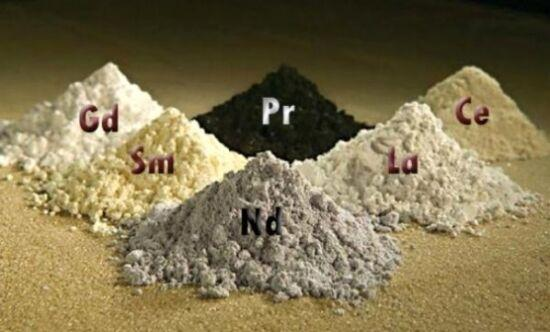
01 Rare Earth: The "Industrial Vitamins"
Rare earth elements (REEs), encompassing 17 metals including lanthanides, scandium, and yttrium, constitute less than 0.02% of the Earth's crust. Their unique electron configurations drive technological advancements across industries:
-
NdFeB permanent magnets boost EV motor efficiency by 30%.
-
Lanthanide catalysts reduce petroleum cracking energy consumption.
-
Critical applications: 5G communications, lasers, defense systems.
Traditional detection methods struggle with low sensitivity and operational complexity, failing to meet multi-element analysis demands in complex solutions. As emerging technologies require ≥99.9% REE purity, advanced detection has become a global competitive imperative.
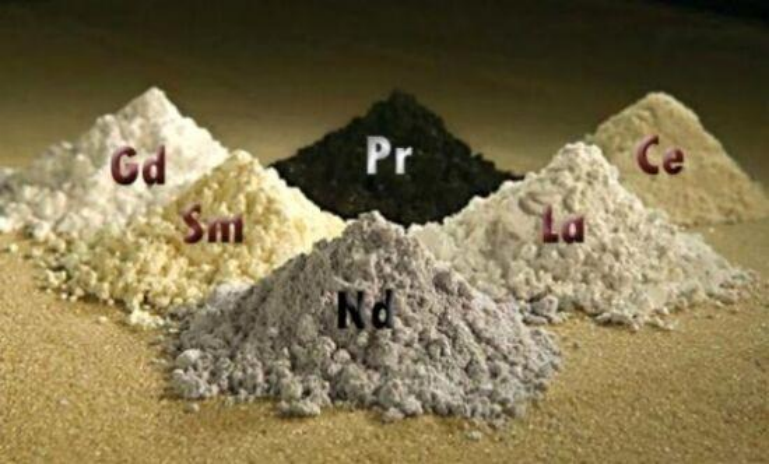
02 Spectroscopic Advantages
Core Technologies
-
Absorption Spectroscopy:
-
Based on Lambert-Beer law, detects trace REE ions (ppb-level).
-
UV-Vis Spectroscopy:
-
Rapid qualitative analysis of REE complexes with conjugated organic ligands.
-
Laser-Induced Breakdown Spectroscopy (LIBS):
-
Real-time multi-element detection.
-
Fluorescence Spectroscopy:
-
High selectivity for spectrally overlapping elements (e.g., Ce³⁺/Pr³⁺).
Performance Comparison

03 Application Case: Automated REE Detection
Workflow
-
Automated sampling (0.5h intervals) mixes Al/REE solutions with chromogenic reagents.
-
Spectrometer measures absorbance (ABS) via cuvette assembly.
-
Software converts ABS to concentration (mg/L).
Results
Ultra-Low Concentration Detection:
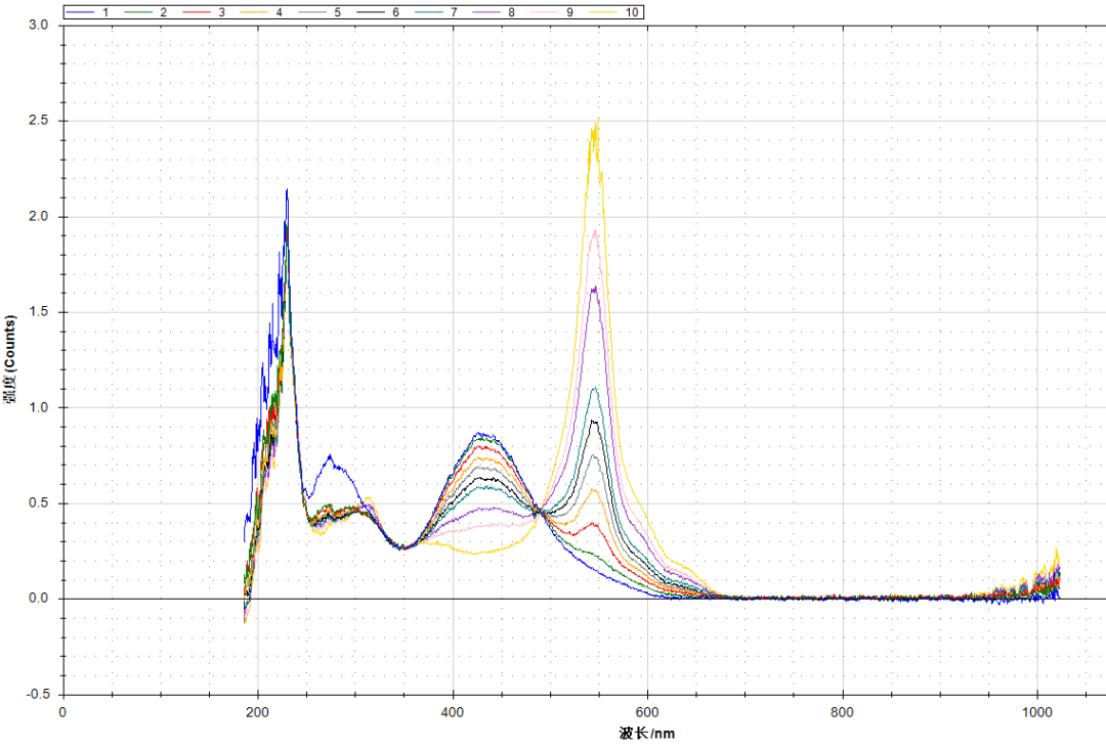
Fig. 1 Aluminum Chromogenic Assay
Mixed REE Detection:
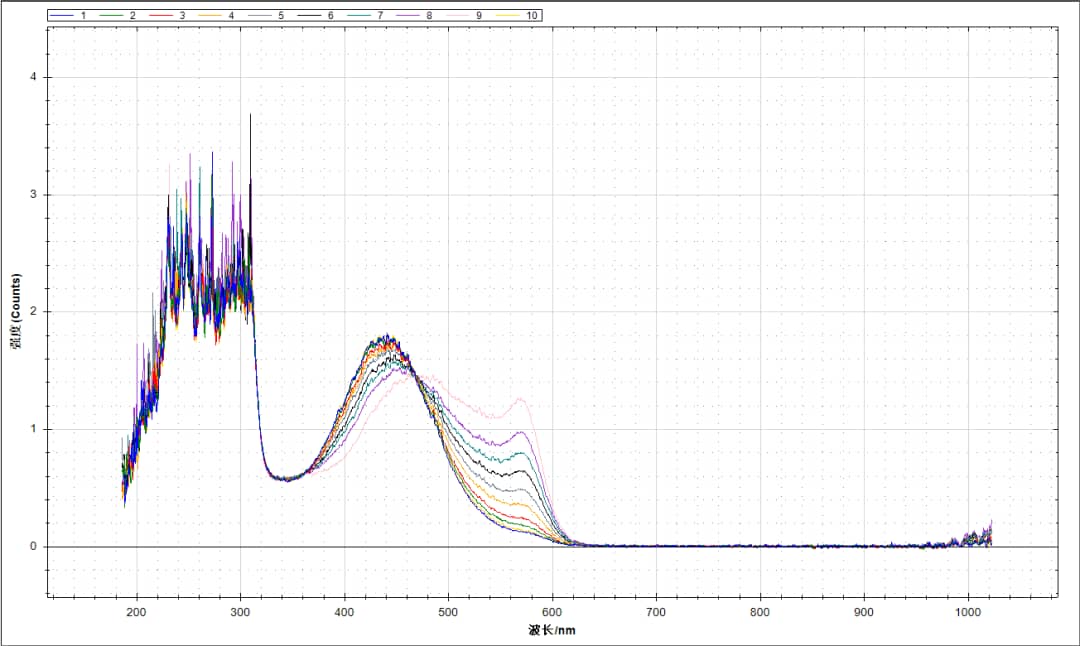
Figure 2. Rare Earth Element Chromogenic Assay
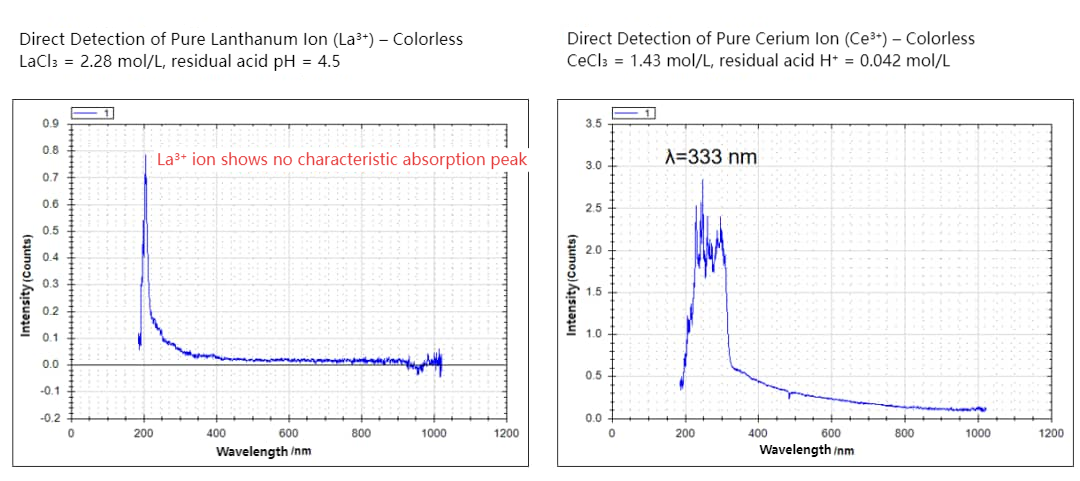
Fig. 3 Validation of Detection Limits
Closed-Loop Management

04 Industry Transformation
Mining & Recycling
-
Field LIBS Analyzers:
-
In-situ ore grading with ±0.5% REO (rare earth oxide) accuracy.
-
Boosted yttrium (Y) recovery rates by 22% in recycling operations.
Smart Smelting
-
Online Monitoring Systems:
-
Real-time La³⁺ concentration tracking.
-
Dynamic pH adjustment in extraction tanks.
-
Impact:
-
18% increase in single-line production capacity.
-
35% reduction in wastewater discharge.
Application | UV Spectroscopy Reveals Adsorption Dynamics of Xanthate on Chalcopyrite
Spectral Analysis: Revolutionizing Rosewood Identification
Related Article

The ATP7810 is a wide-band, high-resolution infrared grating spectrometer covering up to 0.9–5 μm. Featuring a motorized rotating grating, multiple detector options (InGaAs/MCT), and flexible interfaces (SMA905 or free space, USB/UART control), it delivers high SNR and stability for absorption/reflection/transmission spectroscopy, laser wavelength testing, and fiber optic sensing.
New Product Recommendation | ATP7810 Ultra-Wide Range Infrared Spectrometer Series

This study uses the ATP5200P UV-Vis spectrometer to investigate xanthate adsorption on chalcopyrite surfaces. By analyzing absorbance at 300 nm under controlled pH and temperature, the method optimizes flotation conditions for copper recovery, enabling real-time, sensitive detection of adsorption mechanisms in non-ferrous mineral processing.
Using the ATP5200P Spectrometer to Unravel Xanthate Adsorption and Separation Mechanisms
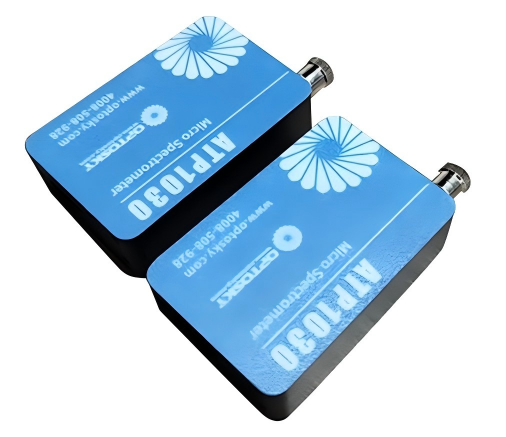
ATP1030 is an ultra‑compact, high‑resolution spectrometer covering 190–1100 nm. With a 1024‑pixel CMOS detector, adjustable integration time down to 1 ms, and USB‑powered design, it delivers reliable performance for applications like online water analysis, color measurement, handheld instruments, and Raman spectroscopy.
Product Recommendation | ATP1030 mini spectrometer Spectrometer

Vis-NIR transmission spectroscopy enables non-destructive identification of infertile duck eggs before incubation, achieving >95% accuracy. By detecting spectral fingerprints (e.g., 836 nm peak for fertile eggs), this method reduces energy waste and improves hatch rates, offering a low-cost, high-throughput solution for modern poultry farming.
Application case | How Spectral Technology is Transforming Duck Egg Farming