Portable Near-Infrared Spectrometers: A New Tool for Agricultural Testing
2024-11-11

NIR technology, with its advantages of fast detection, wide range, non-destructiveness, and low cost, is gradually becoming an important tool for agricultural quality evaluation and crop management.
We will take a closer look at portable near-infrared spectrometers and their applications in agriculture today. A portable near-infrared spectrometers is an instrument that uses near-infrared spectral analysis technology for detection. It mainly consists of a light source, a spectroscopic system, a detector, and a data acquisition and processing system. By measuring the absorption, reflection, or transmission characteristics of samples in the near-infrared spectral region, it can quickly and non-destructively obtain information about the chemical composition and physical properties of the samples.
Classification of Portable Near-Infrared Spectrometers
Based on different optical path structures, portable near-infrared spectrometers are mainly divided into the following categories:
1. Grating Scanning Type: Features high resolution and low cost, but has a slower scanning speed and lower shock resistance.
2. Filter Type: Captures spectra quickly, but has significant wavelength fluctuations and poor versatility.
3. Fourier Transform Type: Offers high light flux and resolution, but is more expensive and has lower shock resistance.
4. Acousto-Optic Tunable Filter Type: Provides fast wavelength conversion, high light flux, and a high signal-to-noise ratio, but is costly and highly temperature-sensitive.
5. Micro-Electro-Mechanical Type: Highly integrated, but has slightly lower wavelength accuracy and resolution.
Application of Portable Near-Infrared Spectrometers in Agriculture
1. Fruit Testing
With the increasing consumer demand for fruit quality, traditional manual inspection methods can no longer meet market needs. Portable near-infrared spectrometers can quickly and non-destructively detect the physicochemical properties of fruits (such as soluble solid content, acidity, hardness, etc.), ripeness, and variety differentiation. For example, portable spectrometers can rapidly determine the acidity and ascorbic acid content of apples, as well as the physicochemical properties of various fruits like kiwis, grapes, and citrus.
2. Grain crops Testing
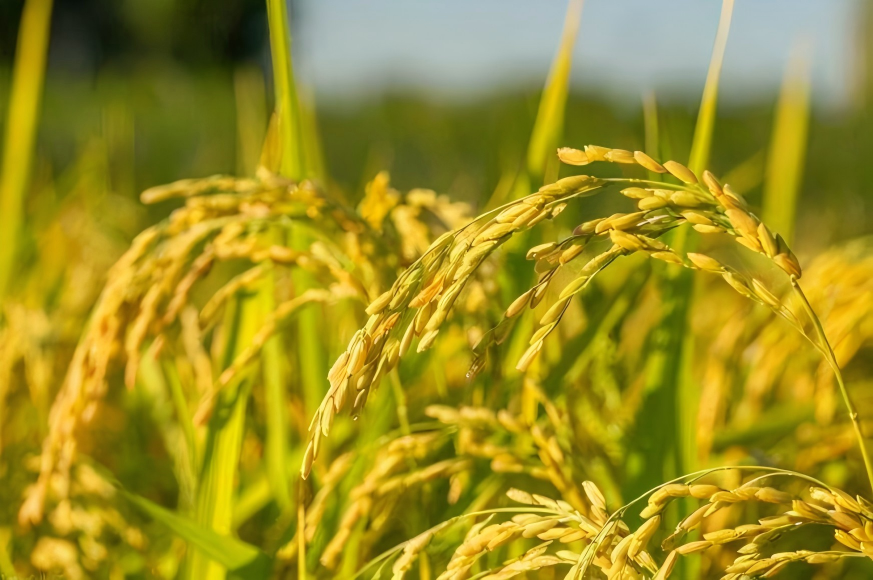
In the detection of grain crops, portable near-infrared spectrometers also play an important role. They can be used for quality assessment of crops such as corn, wheat, rice, and soybeans. For example, portable spectrometers can quickly distinguish between haploid and polyploid corn, as well as measure protein content and various indicators of wheat flour.
3. Vegetables Testing
Vegetables, as an important part of people's daily diet, require quality assessment as well. Portable near-infrared spectrometers can detect the physicochemical properties of vegetables (such as SSC content, total sugar content, total acidity, etc.) and safety (such as nitrate levels). For example, portable spectrometers can quickly measure the SSC content and hardness of tomatoes, as well as the oil content and protein levels of rapeseed.
4. Soil Testing
Soil is the foundation for crop growth and development, making the detection of soil components crucial. Portable near-infrared spectrometers can quickly measure total nitrogen content, organic matter content, pH, heavy metal levels, and moisture content in soil. For example, portable spectrometers can rapidly analyze the total nitrogen and organic matter content in soil, providing important data for scientific planting and fertilization.
Challenges and future prospects
Although portable near-infrared spectrometers have broad application prospects in the agricultural field, they still face several challenges. For example, continuous improvements and optimizations are needed in model construction, measurement accuracy, and instrument miniaturization. In the future, with the further development of micro-electromechanical technology, spectral analysis technology, and big data technology, portable near-infrared spectrometers will become more streamlined, precise, and intelligent, providing stronger support for agricultural production and quality management.
Introduction of Optosky IR2200
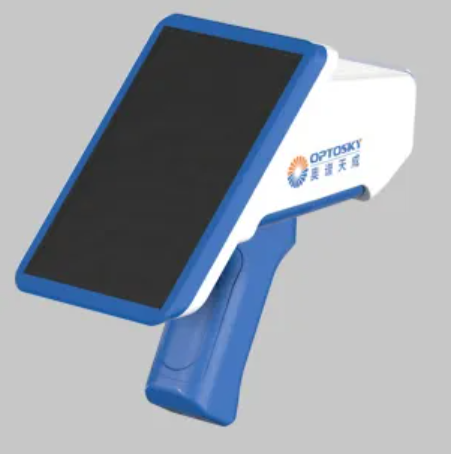
Picture 1 : IR2200
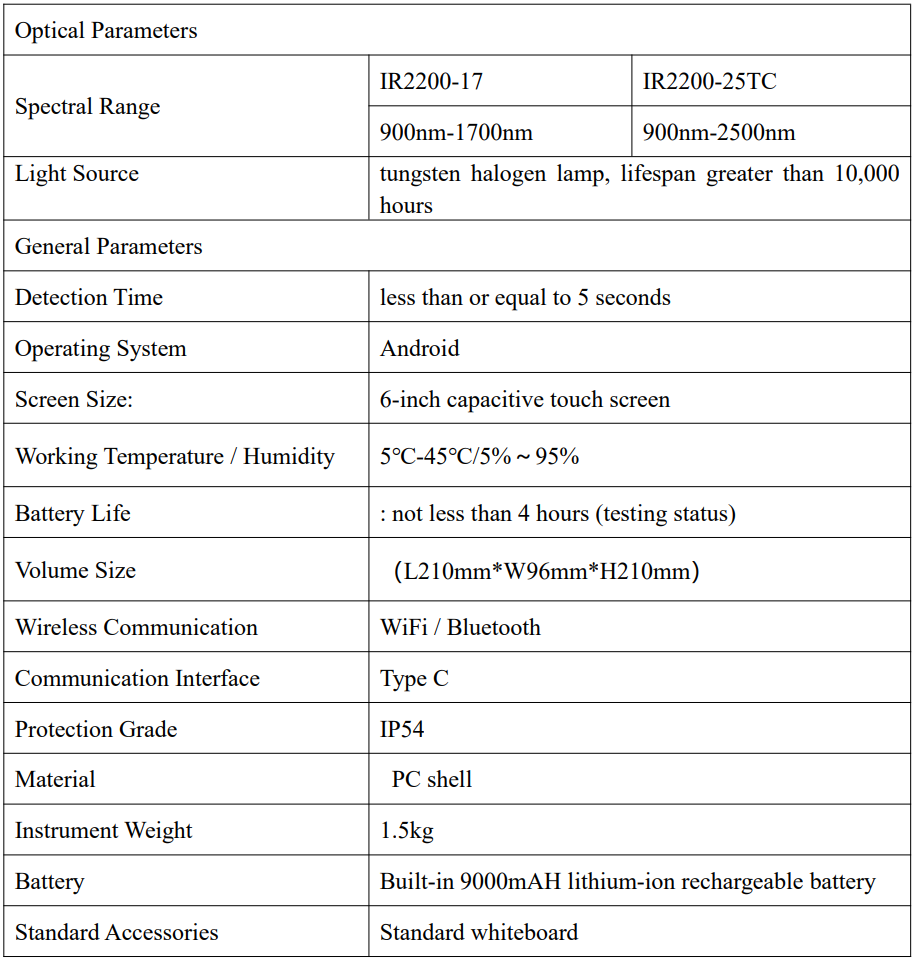
Picture 2: IR2200 Parameter
Follow us to learn more about portable near-infrared spectrometers and their applications in agriculture. Let us witness how technology changes agriculture and brings more convenience and surprises to our lives! If you are interested in the above solutions or have other measurement application demand, or want to know more about the solution design details, please contact [email protected]
Product recommendation | NY6000 comprehensive analysis of edible oil
Spectrophotometer: Precision In Tiny Sample Detection
Related Article
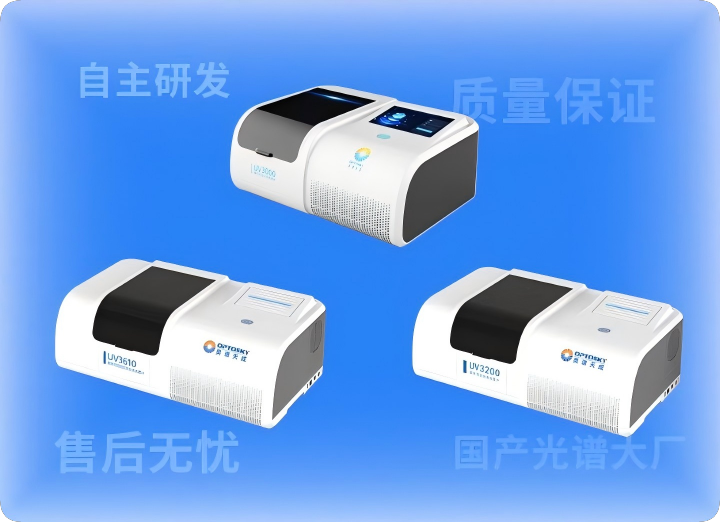
Optosky's spectrophotometer series includes the UV3000 (dual‑beam, 6‑position cell holder, touchscreen/pulsed xenon options), UV3200 (double monochromator, low stray light, high sensitivity), and UV3610 (UV‑Vis‑NIR). Designed for teaching, pharmaceuticals, water quality, and advanced research – stable, accurate, and efficient.
Racing with Light, Multi-Product Launch | Stable · Accurate · Efficient – Spectrophotometer Series
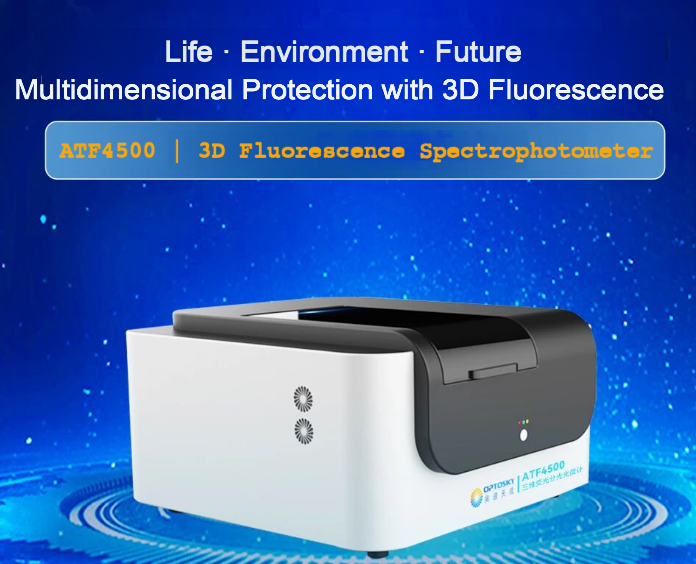
The Optosky ATF4500 is a high-performance 3D fluorescence spectrophotometer featuring a 150W xenon lamp, dual monochromators, 0.8nm resolution, and a high-sensitivity PMT detector (200–900nm). It enables fast, multidimensional fluorescence analysis for life sciences, environmental monitoring, food safety, and materials research.
New Product Launch | ATF4500 3D Fluorescence Spectrophotometer