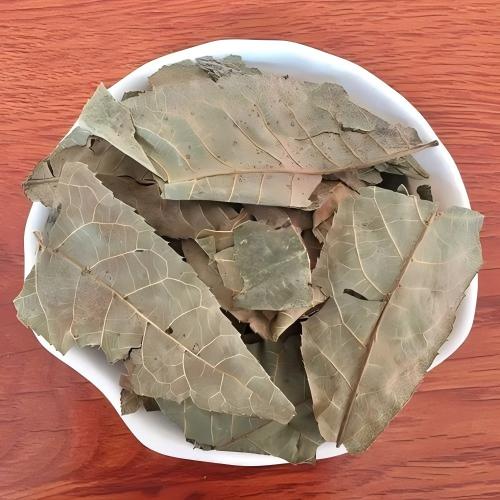
Product Recommendation: UV3000 UV-Vis Spectrophotometer
2025-01-24
Overview
Optosky’s UV3000 features advanced optical design for precise results. Equipped with a dual-beam detection system, it ensures exceptional accuracy and reliability.
Operating Principle
The spectrophotometer determines substance concentration and structure by measuring light absorption in the UV-Vis spectrum. The light source emits composite light, which is decomposed into monochromatic light by the monochromator. After passing through the sample, the detector converts the transmitted light into electrical signals, providing absorbance data. The absorption spectrum reflects molecular and atomic interactions at specific wavelengths, involving vibrational and electronic energy level transitions.
Components
- Light Source: Supplies stable, high-intensity continuous spectra. The UV3000 offers deuterium-tungsten lamps or pulsed xenon lamps. The pulsed xenon lamp eliminates preheating, saves time, and delivers long-term performance with minimal maintenance.
- Monochromator: Separates and selects the desired wavelength of light. The UV3000 series employs grating monochromators for high resolution, broad wavelength range, and uniformity.
- Sample Cell: Holds the sample for absorbance measurement. Quartz cells are used for UV-Vis regions, while glass cells are for visible light.
- Detector: Converts light signals into electrical signals. Options include phototubes, photomultiplier tubes, and photodiode arrays.
- Display: Amplifies and visualizes data. UV3000 features USB connectivity for PC data processing. The UV3000TP model includes a 10-inch HD touchscreen for standalone operation and visualized results. Indicator lights provide intuitive status updates.
Advantages
- High Sensitivity: Detects low-concentration samples.
- Superior Accuracy: Ultra-low stray light ensures precise concentration and purity analysis.
- User-Friendly: Simple setup, straightforward operation, and fast analysis.
- High Reproducibility: Delivers consistent results under identical conditions.
- Versatility: Applicable for compound identification, purity testing, reaction kinetics, and unknown concentration determination.
- Efficiency: Automated 6-channel cuvette holder accelerates sample processing.
Applications
- Environmental Monitoring: Detects pollutants in water, soil, and air.
Fig.1 UV absorption spectra of TOC samples indicate organic carbon concentration at 245 nm.
TOC samples show significant absorption of light in the wavelength range of 200–310 nm, with the highest absorption peak around 245 nm. The organic carbon content in water can be estimated based on the absorbance intensity.
-
Chemical Analysis: Determines components in pharmaceuticals, cosmetics, and food.
Figure 2. UV-Vis Spectra and PLS-DA Classification Results of Licorice from Different Varieties and Origins
(a) UV-Vis spectra of extracts from different licorice varieties;
(b) UV-Vis spectra of extracts from licorice of different origins;
(c) PLS-DA classification results for varieties;
(d) PLS-DA classification results for origins.
The glycyrrhizin content in licorice is influenced by factors such as soil, growth environment, planting time, variety, storage, processing, and cultivation techniques, resulting in variations among different varieties and origins. As shown in Figures 1(a, b), the UV-Vis spectra of licorice differ across varieties and origins, indicating that UV-Vis spectroscopy is effective in distinguishing licorice varieties and origins.
-
Agriculture & Aquaculture: Measures pesticide residues, crop composition, and veterinary drugs.
Figure 3. PCA Inhibition Effect on CD Production
Figure 3 shows the process of CD formation during LDL oxidation. Early in the oxidation process, endogenous antioxidants in LDL (such as vitamin E) protect it from oxidative modification. As lipid oxidation progresses, the endogenous antioxidants are consumed, and CD formation increases sharply. The oxidation delay time is shortest without PCA, but after adding PCA at different concentrations, the delay time is significantly extended.
Product Line Specifications
|
Model
|
UV3000A
|
UV3000B
|
UV3000C
|
UV3000D
|
|
Wavelength Range
|
180~1100nm
|
|||
|
Optical System
|
Dual-beam
|
|||
|
Sample Channels
|
6 channels, automatic switching
|
|||
|
Wavelength Accuracy
|
±0.3 nm
|
|||
|
Wavelength Repeatability
|
≤0.1 nm
|
|||
|
Bandwidth
|
0.5nm、1.0nm、2.0nm、4.0nm
|
|||
|
Transmittance repeatability
|
±0.15%
|
|||
|
Stray Light
|
≤0.03%
|
|||
|
Measurement Modes
|
Transmittance, Absorbance, Concentration, Energy
|
|||
|
Wavelength adjustment
|
Automatic
|
|||
|
Luminosity range
|
-4~4A
|
|||
|
Light Source
|
Long-life pulsed xenon lamp
|
Long-life pulsed xenon lamp
|
Deuterium-halogen combination lamp
|
Deuterium-halogen combination lamp
|
|
Detector
|
Photocell
|
Photomultiplier tube
|
Photocell
|
Photomultiplier tube
|
|
Noise Level
|
±0.001Abs
|
±0.0005Abs
|
±0.001Abs
|
±0.0005Abs
|
|
Photometric accuracy
|
±0.3%T
|
±0.3%T
|
±0.2%T
|
±0.2%T
|
|
Output
|
USB Interface
|
|||
|
Dimension
|
455 × 286 × 225mm
|
|||
|
Power Supply
|
AC220V,100W
|
|||
Note:
-
Wavelength range can be customized.
-
The optimal resolution is related to the width of the spectrometer’s slit. Further narrowing the slit can enhance the resolution.
-
The parameters in the table represent those of the standard products. All Optosky instruments are independently developed and manufactured, and corresponding parameters can be customized.
UV-VIS Spectroscopy: Decoding the Optimal Harvest Time for Dai Medicine Alstonia Scholaris Leaves
Application recommendation | NY6000 detects mineral oil mixed in edible oil
Related Article
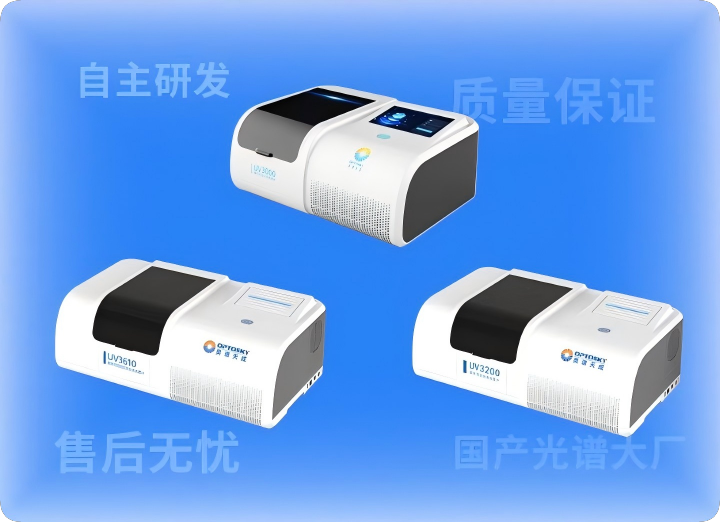
Optosky's spectrophotometer series includes the UV3000 (dual‑beam, 6‑position cell holder, touchscreen/pulsed xenon options), UV3200 (double monochromator, low stray light, high sensitivity), and UV3610 (UV‑Vis‑NIR). Designed for teaching, pharmaceuticals, water quality, and advanced research – stable, accurate, and efficient.
Racing with Light, Multi-Product Launch | Stable · Accurate · Efficient – Spectrophotometer Series
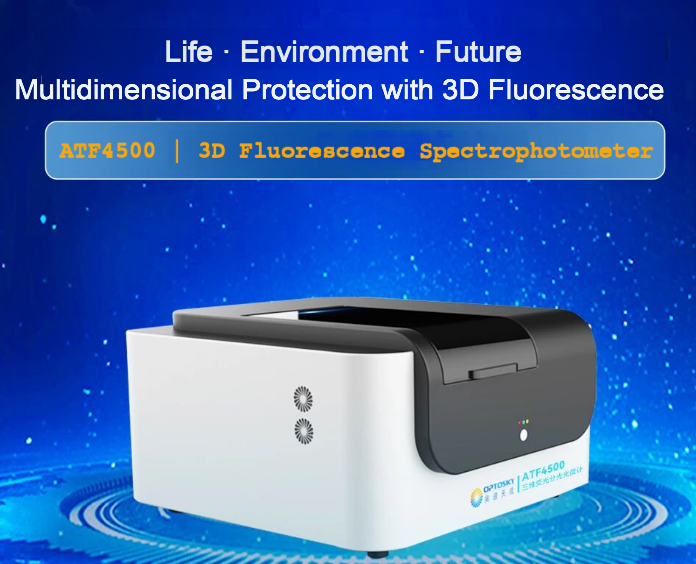
The Optosky ATF4500 is a high-performance 3D fluorescence spectrophotometer featuring a 150W xenon lamp, dual monochromators, 0.8nm resolution, and a high-sensitivity PMT detector (200–900nm). It enables fast, multidimensional fluorescence analysis for life sciences, environmental monitoring, food safety, and materials research.
New Product Launch | ATF4500 3D Fluorescence Spectrophotometer