
Detection principle of the TOC
author: Otis
2022-11-17
TOC (Total Organic Carbon): indicates the total organic carbon content in sewage, indicating almost all carbon-containing organic pollutants in water and solid samples. The parameters related to TOC are TC, TIC, POC, NPOC, DOC, etc. All of these parameters can assist in the detection of the TOC.
The TOC index is mostly determined by combustion oxidation- -nondispersed infrared method, and the oxidation of organic matter is relatively complete, and in most cases, the oxidation rate can reach more than 98%. Therefore, the TOC index can better reflect the degree of organic pollution of water bodies. Many countries have placed TOC online automatic monitors at the main sewage outlet to monitor the sewage discharge at any time. Some countries have set emission standards for TOC.
What is the detection principle of TOC?
The TOC analyzer is to oxidize the total organic carbon in the aqueous solution to carbon dioxide, and to determine its content. The total organic carbon in aqueous solution was quantified by using the correspondence between carbon dioxide and total organic carbon.
Common TOC analyzer has two basic functions: first, the total organic carbon in water to generate carbon dioxide CO2; second, test the new CO2, the difference between different brands and models of TOC analyzer lies in the different ways to achieve these two basic functions.
There are three methods that we want to introduce, respectively, they are Dry method(high-temperature catalytic oxidation method), Wet method(ultraviolet persulfate oxidation method), and conductivity method.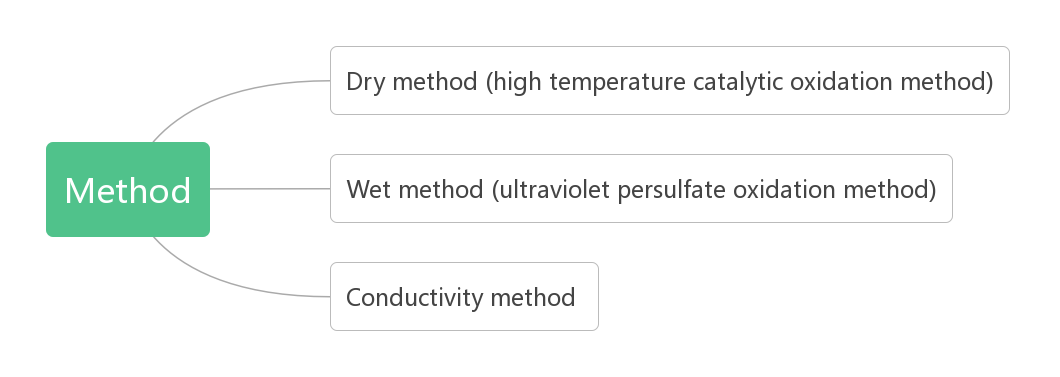
Knowing the detection principle and method, we can use these in the instrument, and Optosky can determine the TOC through the instrument, accurately and correctly do the research. The specific content of the detection method will be explained in the next blog post. You are welcome to read like a blog post, the specific detection method of TOC.
The TOC index is mostly determined by combustion oxidation- -nondispersed infrared method, and the oxidation of organic matter is relatively complete, and in most cases, the oxidation rate can reach more than 98%. Therefore, the TOC index can better reflect the degree of organic pollution of water bodies. Many countries have placed TOC online automatic monitors at the main sewage outlet to monitor the sewage discharge at any time. Some countries have set emission standards for TOC.
What is the detection principle of TOC?
The TOC analyzer is to oxidize the total organic carbon in the aqueous solution to carbon dioxide, and to determine its content. The total organic carbon in aqueous solution was quantified by using the correspondence between carbon dioxide and total organic carbon.
Common TOC analyzer has two basic functions: first, the total organic carbon in water to generate carbon dioxide CO2; second, test the new CO2, the difference between different brands and models of TOC analyzer lies in the different ways to achieve these two basic functions.
There are three methods that we want to introduce, respectively, they are Dry method(high-temperature catalytic oxidation method), Wet method(ultraviolet persulfate oxidation method), and conductivity method.
Specific detection method of the TOC
What is the TOC
Related Article

LC/MS enhances pesticide detection with high sensitivity, selectivity, specificity, and efficiency, enabling precise and rapid analysis to meet food safety standards.
Top Four Benefits of LC/MS in Pesticide Detection

We chose the TOC-2000 TOC analyzer and configured an organic carbon standard solution in accordance with the standard "HJ 501-2009 Determination of Water Quality TOC Combustion Oxidation-Non-Dispersive Infrared Absorption Method" to measure the total organic carbon in the sample using the combustion oxidation method.
TOC content detection in industrial wastewater
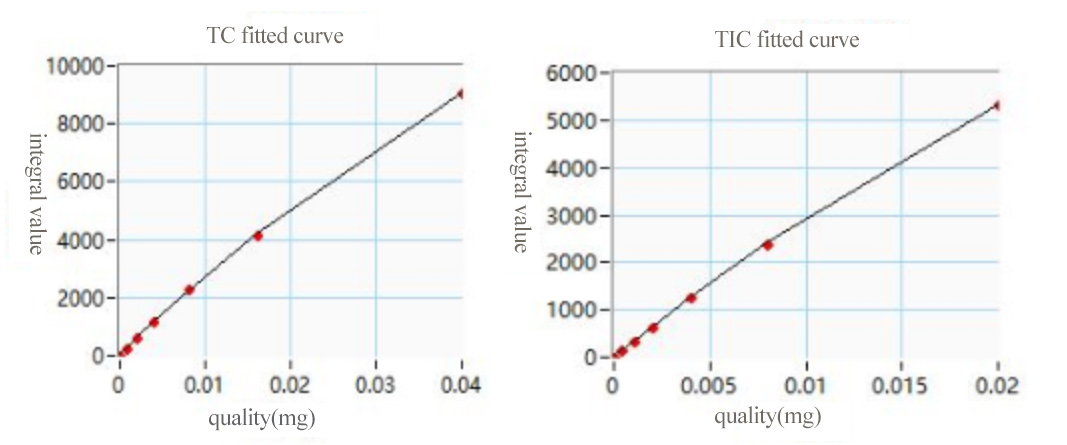
Using the Optosky TOC-2000 total organic carbon meter to measure water samples with high chlorine compounds can achieve comprehensive, simple and accurate determination under certain conditions. High chloride content has basically no effect on the TOC measurement results of water samples.
Determination of TOC content of high chlorine samples by dry oxidation method
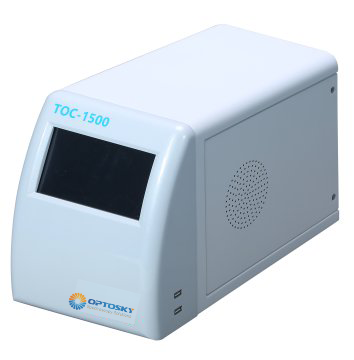
TOC total organic carbon analyzers have been increasingly used in the environment, drinking water, pharmaceuticals, electronics, power plants and other industries. In 2003, the four national ministries and commissions officially included TOC in the water pollutant pollution equivalent value table as an important indicator for environmental monitoring in the newly promulgated "Standard Management Measures for the Collection of Pollution Fees".
Water quality standards related to TOC analysis