
Hyperspectral Citrus Damage Detection
01 Hyperspectral – A New Tool for Citrus Quality Control
Sugar tangerines are one of the most popular winter fruits in China, prized for their sweet taste, thin peel, and abundant juice. However, during harvesting, transport, and sorting, they are highly susceptible to mechanical damage or hidden internal injuries. These defects are often difficult to detect with the naked eye in the early stages, yet they significantly affect fruit quality, storage life, and market value. Therefore, fast, non‑destructive identification of damaged tangerines has become a critical issue in citrus quality control. In recent years, hyperspectral imaging technology has offered a new solution to this problem.
Hyperspectral
Hyperspectral systems typically acquire spectral data from fruit surfaces using a push‑broom imaging method.
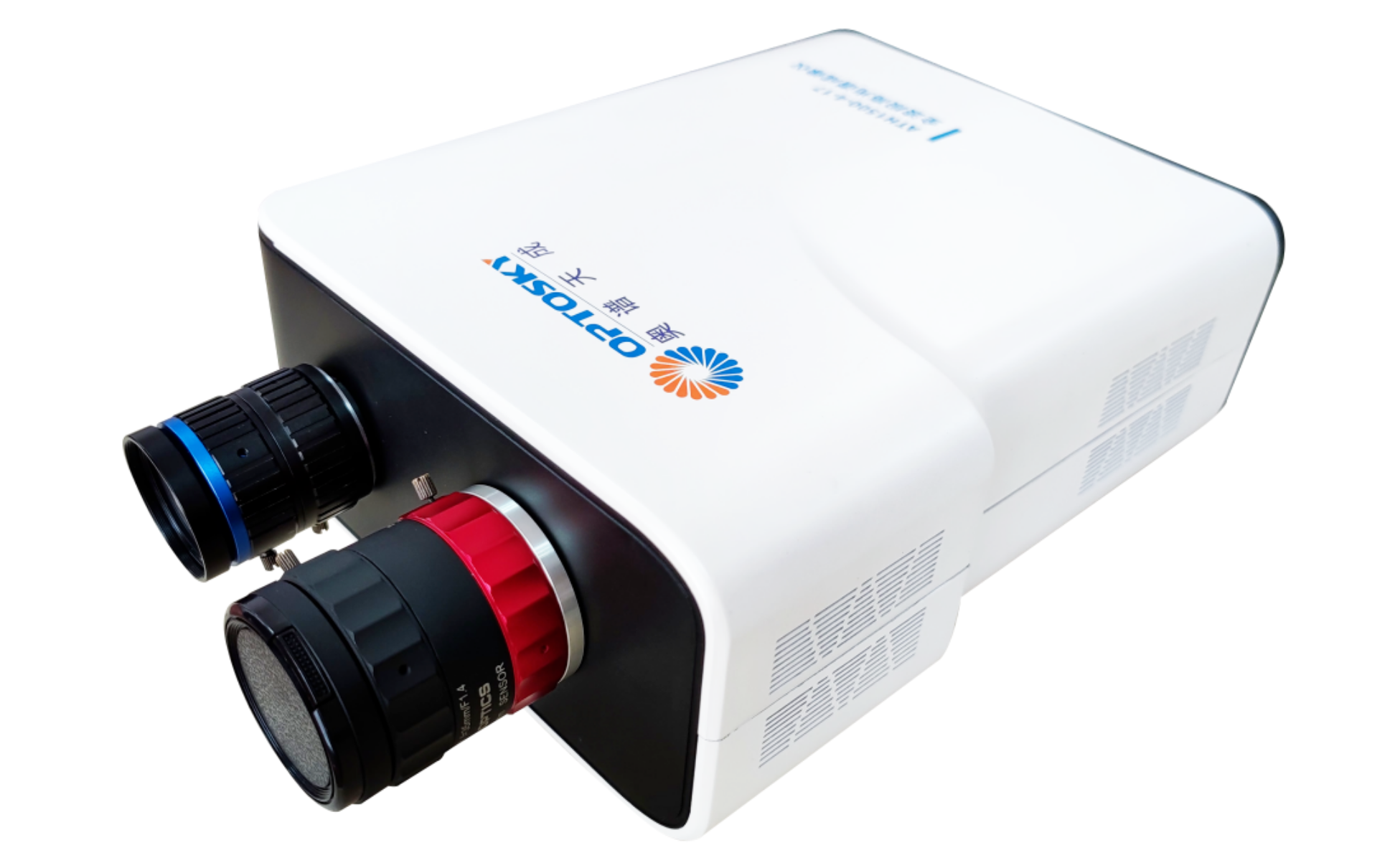
Optosky Hyperspectral Imager
02 The Importance of Detecting Damage in Sugar Tangerines
Key Point – Improving Fruit Quality and Brand Value
Sugar tangerines are easily squeezed or bruised during picking and logistics. Although the appearance may not show obvious changes initially, internal tissues begin to undergo structural alterations, which later lead to rot or spoilage. If such fruits reach the market, they not only compromise consumer experience but also damage the brand image of the production region.
By using hyperspectral technology to identify damaged fruit in advance, these can be removed at the sorting stage, ensuring that the fruit entering the market is of consistently high quality.
Key Point – Reducing Transport and Storage Losses
Damaged tangerines are more prone to mould and decay during storage, and they can trigger a "chain effect" on surrounding fruits. Under traditional sorting methods, many hidden‑damage fruits go undetected, leading to increased storage and transport loss rates.
Hyperspectral detection can identify internal tissue changes at an early stage, allowing potentially problematic fruits to be screened out in advance, effectively reducing storage losses and improving supply chain efficiency.
Key Point – Promoting Automated Fruit Sorting
Most fruit sorting today relies on external indicators such as colour and size, without the ability to detect internal damage. Hyperspectral technology can acquire spectral information from fruit, thereby identifying internal structural changes and providing a more comprehensive detection dimension for fruit sorting systems.
Combining hyperspectral imaging systems with automated sorting equipment enables:
Automatic identification of damaged fruit
Precise grading of high quality fruit
High throughput rapid detection
This is of great significance for large scale citrus production.
03 Theoretical Basis
Spectral Feature Differences Among Various Teas
When sugar tangerines are subjected to mechanical squeezing or impact, their internal cell structure changes, for example:
- Cell rupture
- Changes in moisture distribution
- Alterations in tissue density
These changes affect the absorption and reflection characteristics of the fruit at different wavelengths, creating distinctive spectral differences.
Hyperspectral imaging systems acquire information across multiple continuous wavebands, enabling the detection of these subtle changes, and combined with machine learning algorithms, can achieve damage identification.
A typical detection workflow includes:
- Hyperspectral Data Acquisition
Scanning tangerines to obtain both spatial and spectral information.
- Spectral Data Processing
Denoising, calibration, and normalisation of raw spectra.
- Feature Band Extraction
Selecting key wavelength bands most relevant to damage.
- Model Establishment
Building a damage recognition model using machine learning algorithms for automatic classification.
Through this process, even early‑stage damage invisible to the naked eye can be accurately identified.
Raw data
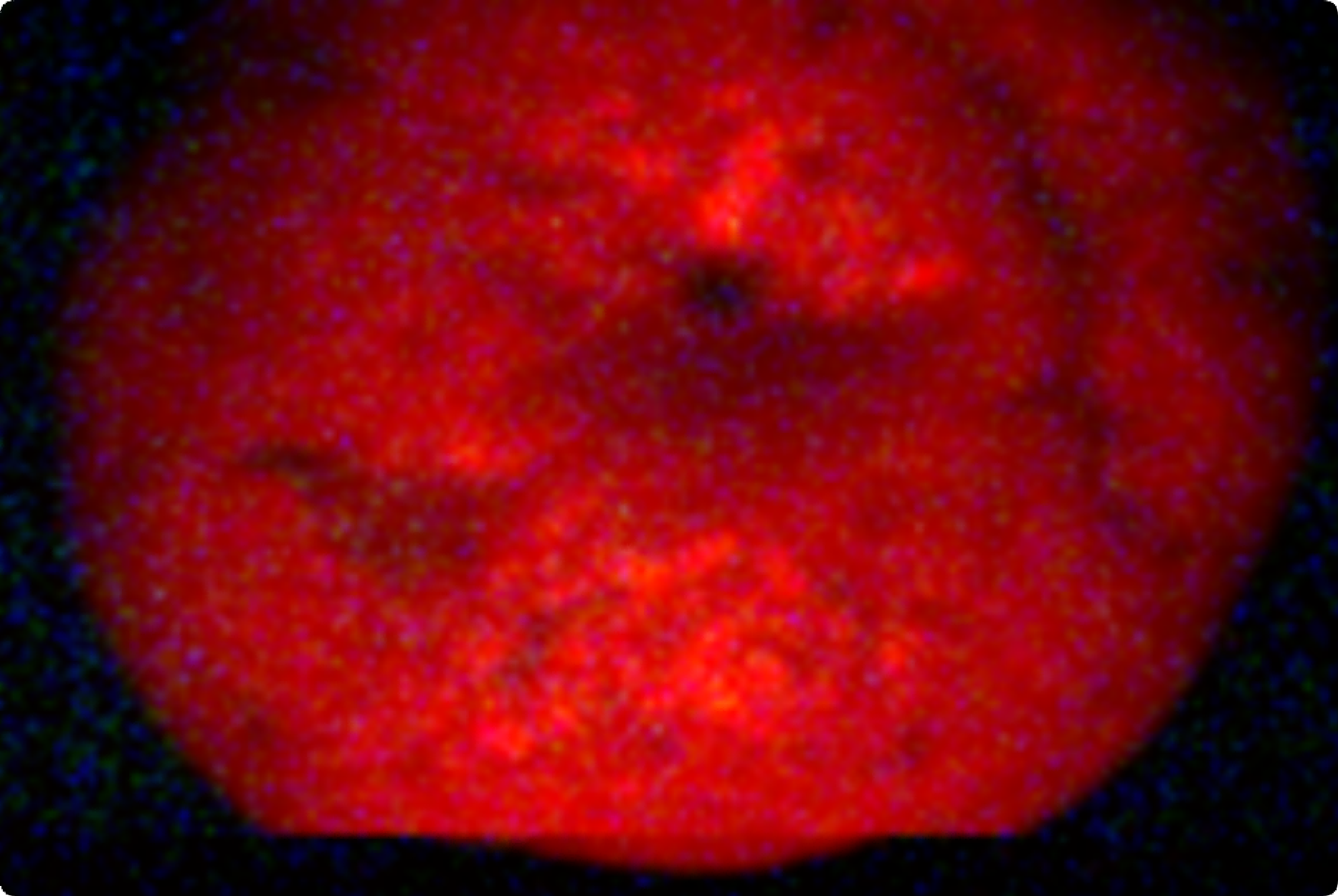
Optosky model identification results
Because different tangerines may show cracks or even mould on the surface, this study selected three typical conditions for comparative analysis: intact surface, cracked surface, and mouldy surface. Spectral curves were acquired for each. The results showed clear spectral differences among the three states.
From the raw spectral curves, the overall spectral trends of cracked areas and intact areas were relatively close, but significant reflectance differences were still observed in certain specific bands. In several key bands, the reflectance values of intact areas were notably higher than those of cracked areas, indicating that cracks affect the peel structure and its optical properties.
After first‑order differential processing of the spectral curves, the differences became more distinct. Near the 900 nm band, the peak value of the intact curve was significantly higher than that of the cracked curve, suggesting that the intact peel exhibits greater reflectance variation at this wavelength, while the cracked area shows a weaker spectral response due to tissue damage.
Furthermore, the spectral curves of mouldy areas differed more markedly from the other two conditions. Mould causes substantial changes in the internal composition and structure of the peel, resulting in clear spectral shifts, which also provides a reliable basis for identifying mould on tangerine surfaces using hyperspectral technology.
Overall, tangerines with different surface conditions show distinguishable spectral features, providing an important foundation for building damage and mould recognition models based on hyperspectral data.
References
- Chen Xiaoxiao, Cao Yuansheng, Xie Xingyao, Tan Heping. Research on Measuring Tea Surface Color Based on Fiber Optic Spectrometer[J]. Journal of Applied Optics, 2008, 29(5): 750-752. DOI: 1002-2082(2008)05-0750-03
For more information, please contact:
Email: [email protected]
Web: www.optosky.net
ATH6100 Practical Case Study: Jade Analysis
The End of the Wait: Reagent-Free, Real-Time Water Quality Monitoring with Hyperspectral Analysis
Related Article