
Product recommendation | NY6000 comprehensive analysis of edible oil
2024-11-11
1. Background Introduction
As consumers' requirements for food safety and quality continue to increase, the purity and authenticity of the edible oil market have become the focus of attention. Among a variety of edible oils, rapeseed oil is highly favored for its unique nutritional value and health benefits. However, there are many unscrupulous merchants in the market who adulterate rapeseed oil by mixing it with other oils such as soybean oil, which has harmed the rights and interests of consumers.
In order to quickly and accurately measure the adulteration and components of rapeseed oil, researchers have been seeking efficient and accurate detection methods. Raman spectroscopy, as a non-destructive, rapid and sample pretreatment-free detection technology, has shown great potential in the field of edible oil adulteration detection. Through Raman spectroscopy, the vibration information of molecules in edible oil can be obtained, and then its chemical composition and structure can be analyzed.
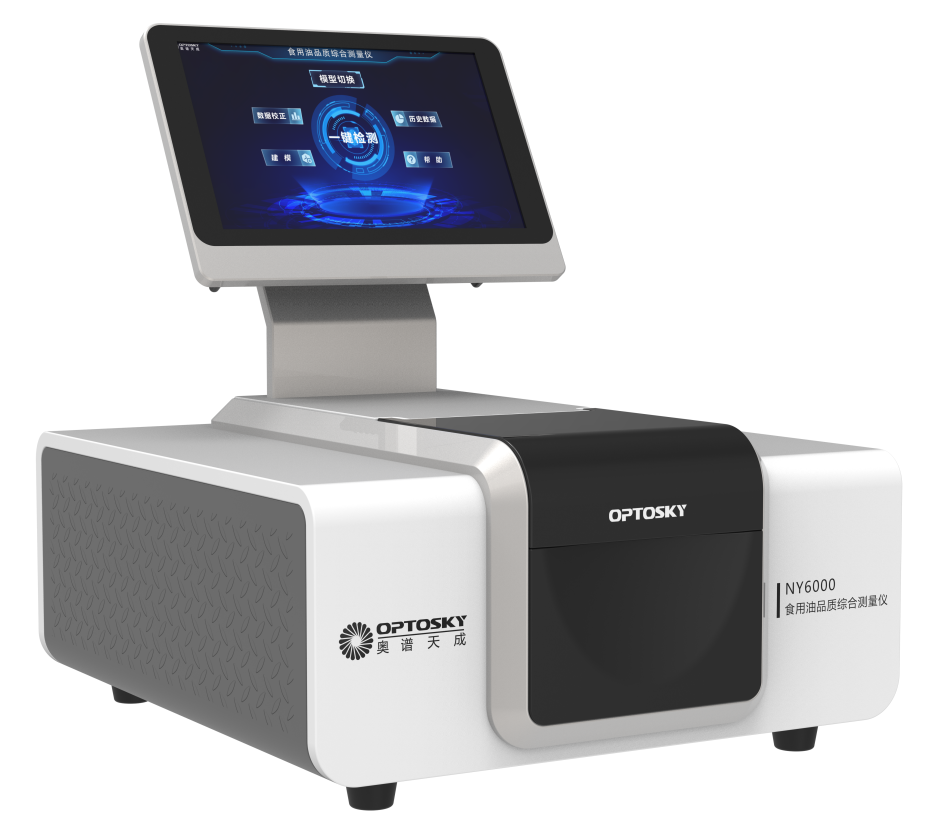
When soybean oil is mixed into rapeseed oil and oleic acid or solvent No. 6 residues in rapeseed oil are measured, the molecular vibration characteristics of these substances will be different from those of rapeseed oil. Using Raman spectroscopy technology, the NY6000 edible oil comprehensive analyzer developed and produced by Optosky can capture these differences and interpret the spectra through data analysis software, thereby achieving qualitative and quantitative analysis of adulterated substances.
2. Experimental results
2.1 Oleic acid experiment
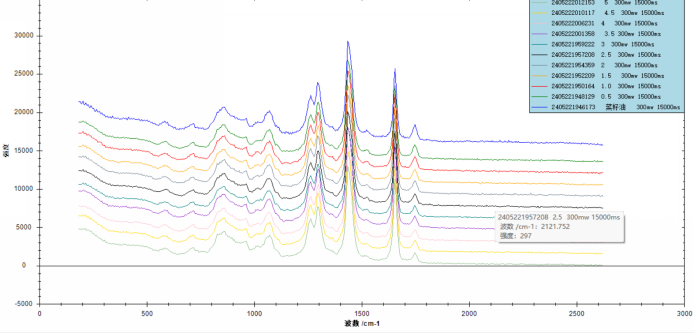
Rapeseed oil spectrum collection
The instrument is used to collect and model the spectrum of rapeseed oil, and components such as oleic acid can be analyzed.
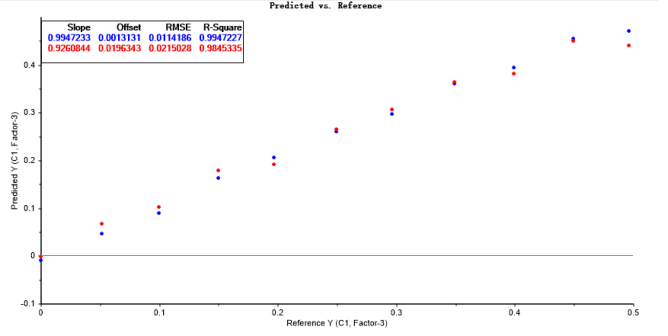
Oleic acid modeling effect
The root mean square error of oleic acid modeling was 0.02, and the linear correlation coefficient was 0.98, indicating that the modeling effect was good.
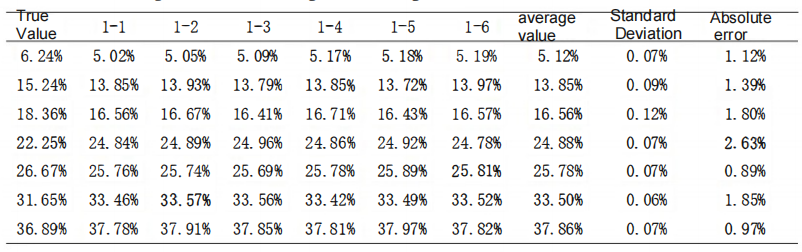
Oleic Acid Test Results
As shown in the table above, the instrument has good stability in testing the configured oleic acid sample, and the absolute error of the test is within 3%. It can be seen that Raman can be used to measure oleic acid (C18∶1).
2.2 Measurement of Solvent No. 6
In the edible oil extraction process, there may be a certain amount of solvent residue (Solvent No. 6), which may affect the human nervous center if in long-term contact with humans.
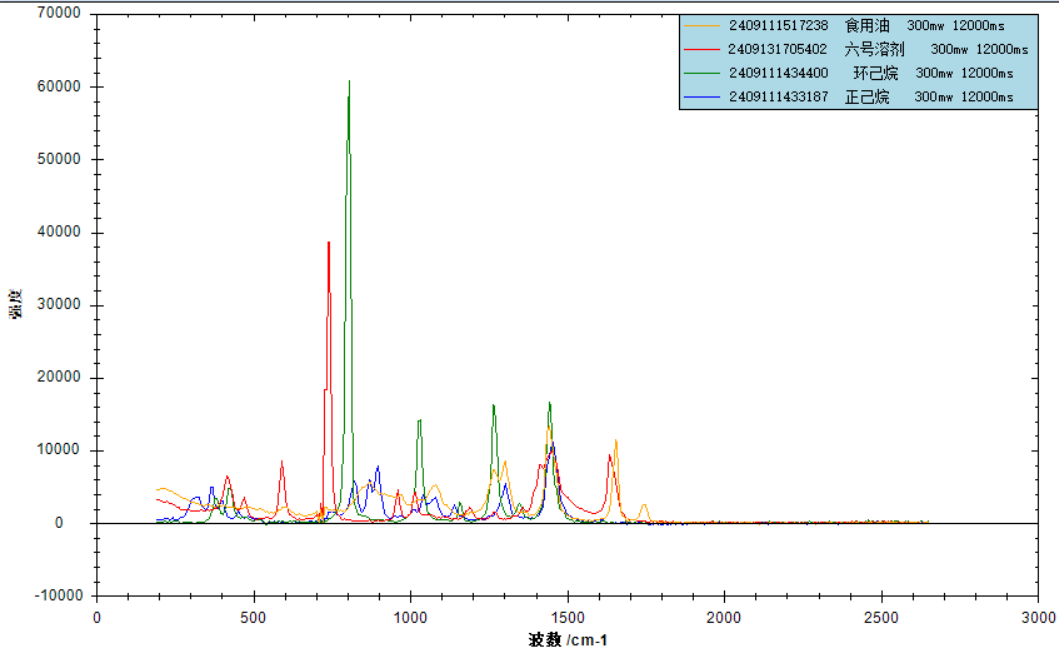
Solvent No. 6 Isospectrum
Edible oil has almost no characteristic peaks before 700cm-1, and this property can be used to determine the residual No. 6 solvent.
2.3 Benzopyrene measurement
During food processing, polycyclic aromatic hydrocarbons may be produced, among which benzopyrene may be present. Benzopyrene is a common, highly active indirect carcinogen and mutagen, which poses a serious threat to human health.
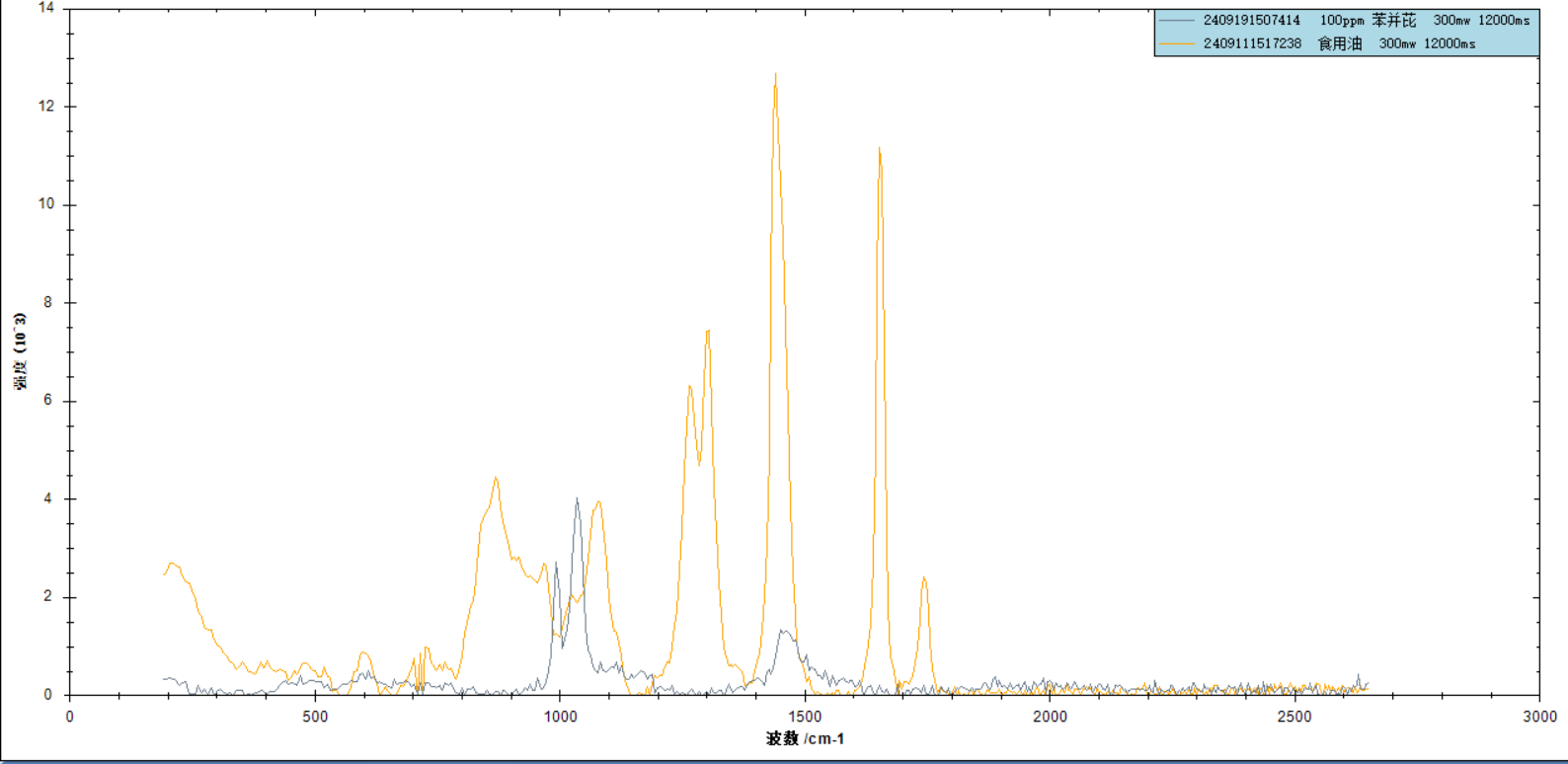
Benzopyrene measurement spectrum
As shown above, benzopyrene has a prominent 998cm-1 characteristic of the benzene ring. Benzopyrene can be identified and measured using instruments.
3. Conclusion
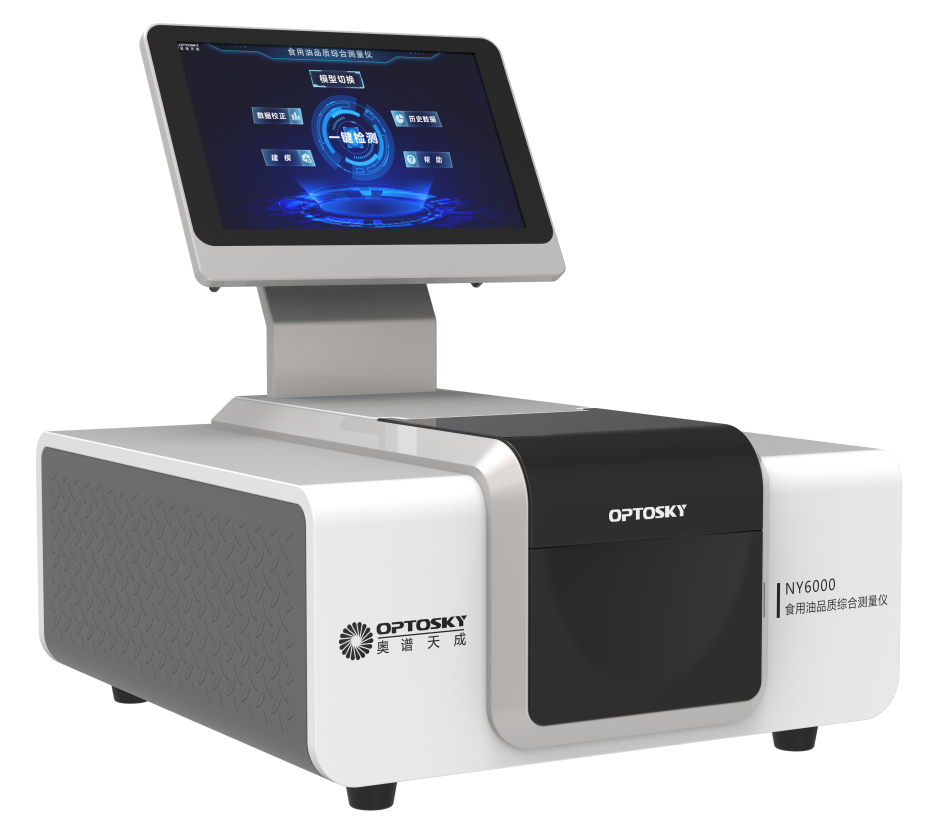
Appearance of NY6000 Edible Oil Comprehensive Analyzer
The NY6000 edible oil comprehensive analyzer developed and produced by OPTOSKY can analyze fatty acids such as oleic acid in edible oil, and identify hazardous locations such as solvent No. 6 and benzopyrene. The instrument measurement is fast and convenient, which can help to quickly analyze the relevant parameters of edible oil.
If you are interested in the above solutions, you can contact WhatsApp +86 18633063930 or Email: [email protected].
Application recommendation | NY6000 detects mineral oil mixed in edible oil
Portable Near-Infrared Spectrometers: A New Tool for Agricultural Testing
Related Article
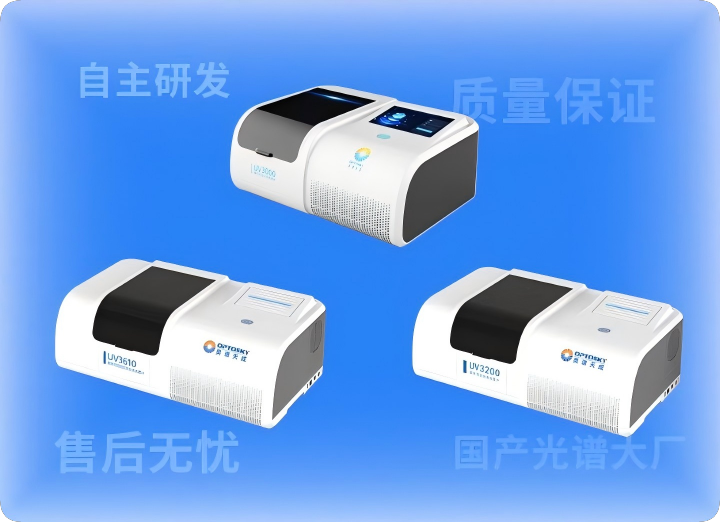
Optosky's spectrophotometer series includes the UV3000 (dual‑beam, 6‑position cell holder, touchscreen/pulsed xenon options), UV3200 (double monochromator, low stray light, high sensitivity), and UV3610 (UV‑Vis‑NIR). Designed for teaching, pharmaceuticals, water quality, and advanced research – stable, accurate, and efficient.
Racing with Light, Multi-Product Launch | Stable · Accurate · Efficient – Spectrophotometer Series

The Optosky ATF4500 is a high-performance 3D fluorescence spectrophotometer featuring a 150W xenon lamp, dual monochromators, 0.8nm resolution, and a high-sensitivity PMT detector (200–900nm). It enables fast, multidimensional fluorescence analysis for life sciences, environmental monitoring, food safety, and materials research.
New Product Launch | ATF4500 3D Fluorescence Spectrophotometer