
Can Spectroscopy Quickly and Easily Evaluate Paint Samples?
author: Susan
2022-02-10
Paint and coating materials consist of ingredients such as pigments, dyes, fillers and binders, each of which is carefully mixed to help enhance product quality and performance. The ability to evaluate different coating formulations and UV protection coatings in minutes compared to hours can have a significant impact on development time and cost.
Experimental system
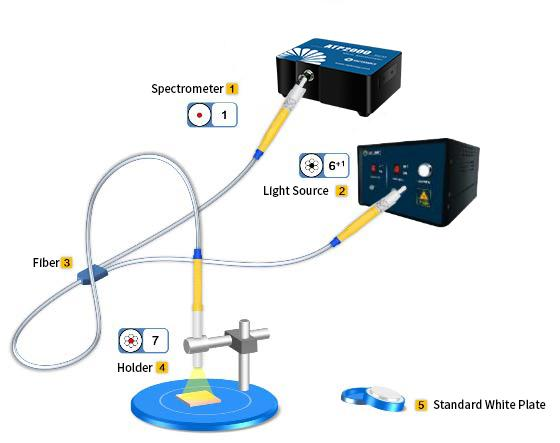
For quick and easy evaluation of paint samples on flat surfaces and substrates, we used an extended-range (UV-Visible-NIR) spectrometer with a broadband light source, a reflectance integrating sphere, and a diffuse reflectance standard. This modular setup allows us to quickly characterize the diffuse, specular, and total reflectance properties of each sample.
 Related Products
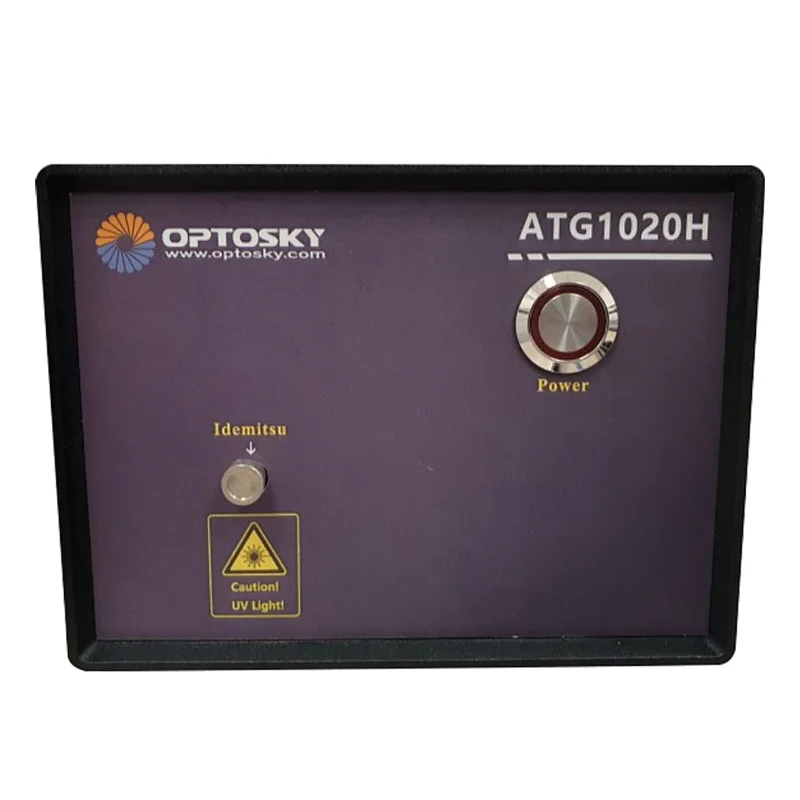
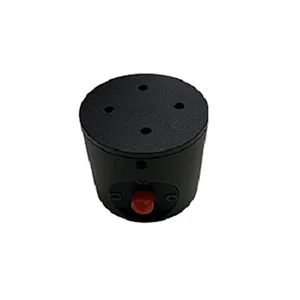
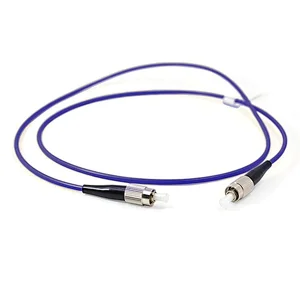
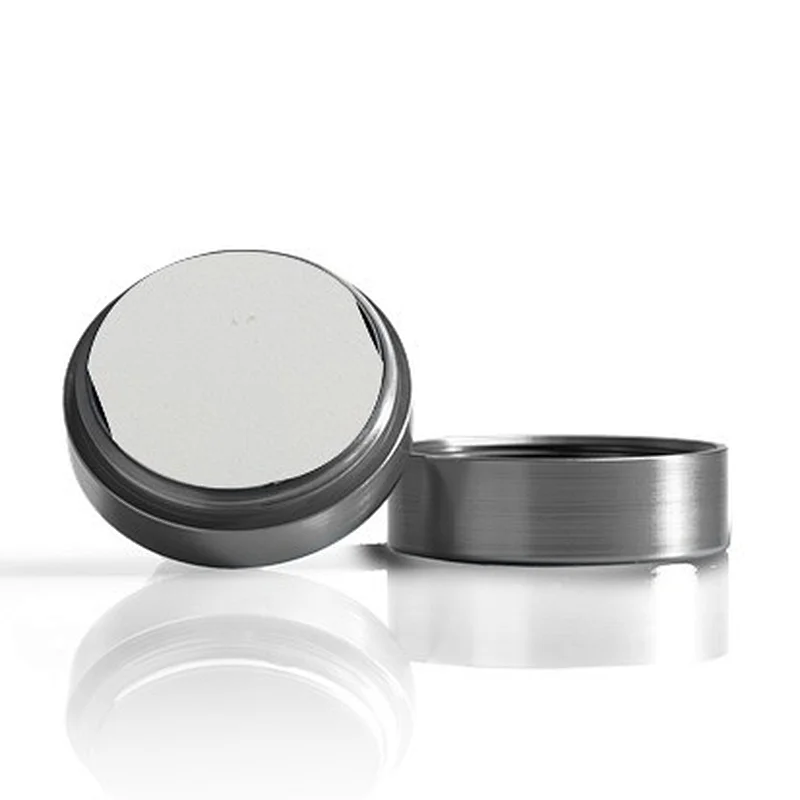
ATP5020P Deuterium Halogen ATG1020H Integrating Spheres UV-VIS-1-600 Reflectance Standard
Related Blogs

Color Analysis Measurement Solution Can Simpler QC Methods Be Applied to Fruitage Coating Processes? Spectrometer Comparison Guide
Experimental system
For quick and easy evaluation of paint samples on flat surfaces and substrates, we used an extended-range (UV-Visible-NIR) spectrometer with a broadband light source, a reflectance integrating sphere, and a diffuse reflectance standard. This modular setup allows us to quickly characterize the diffuse, specular, and total reflectance properties of each sample.
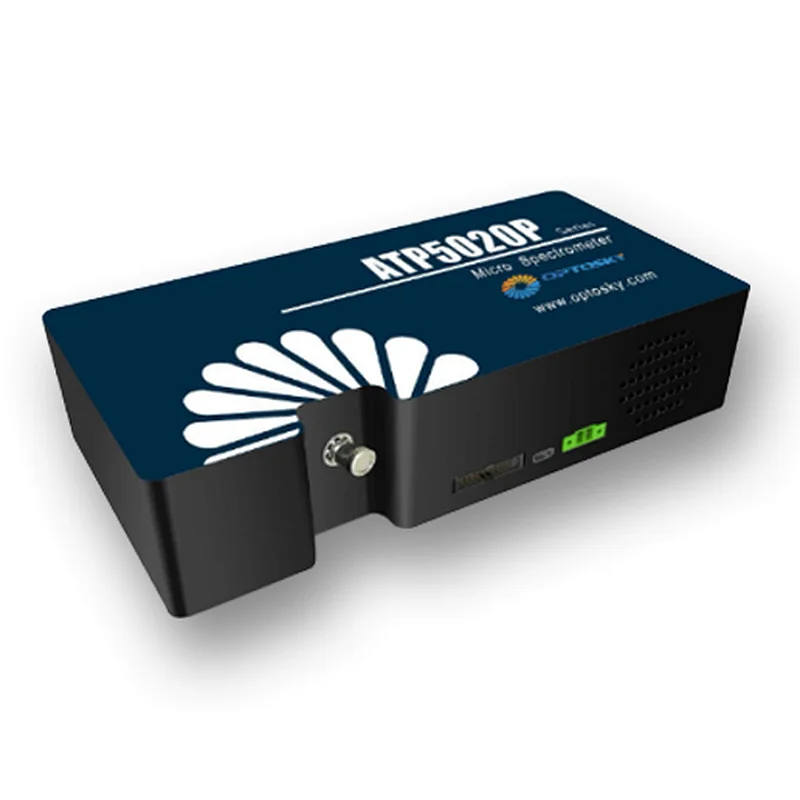
- ATP5020P extended range spectrometer (200-1100 nm)
- ATG1020H deuterium-tungsten halogen light source (180-2500 nm)
- Integrating Spheres integrating sphere
- (2) UV-VIS-1-600 600 µm extreme solarization-resistance optical fibers
- Reflectance Standard Spectralon® diffuse reflectance standard
- Reflectance-Holder reflectance standard holder
Measurements Solution
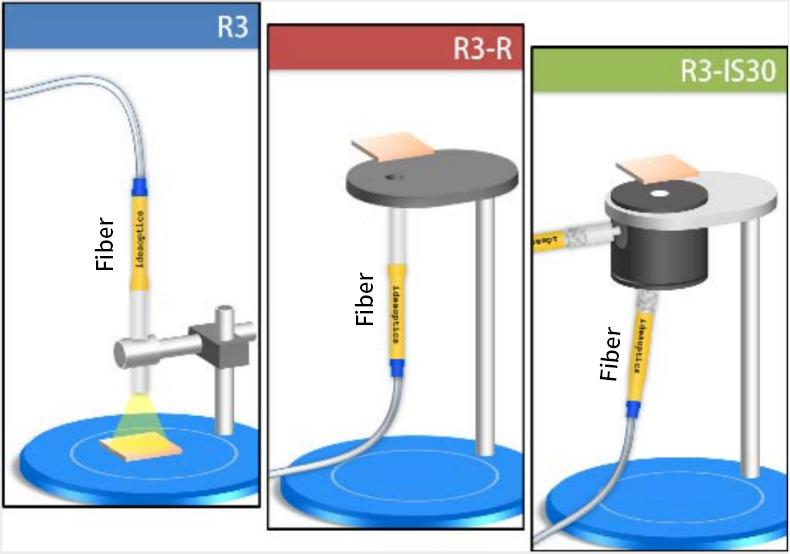
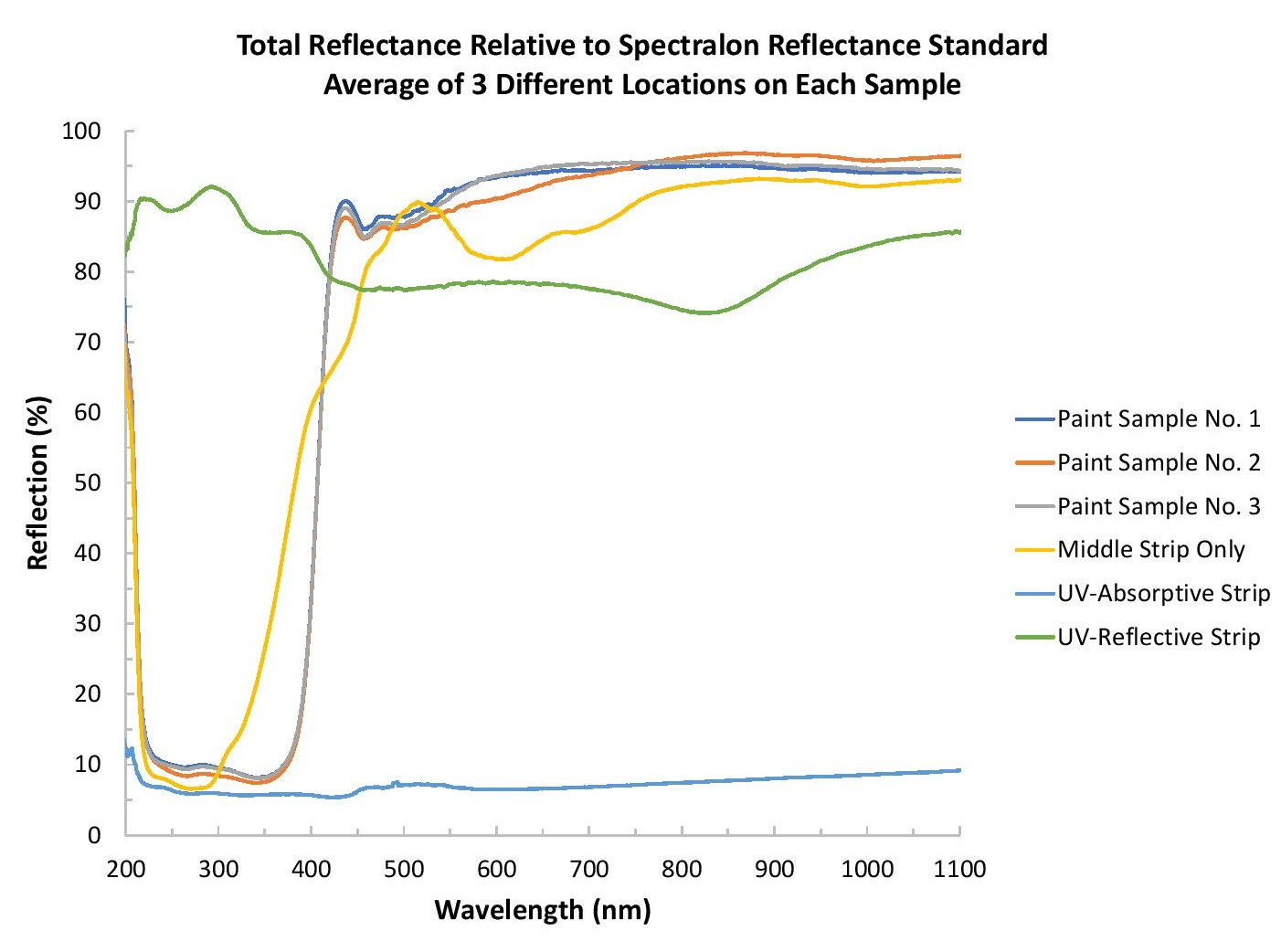
We analyzed five samples applied to a flat surface: three different white paints, a highly reflective UV aluminum tape, and a highly absorbing UV strip. Samples are measured using an integrating sphere that contains a gloss trap, so for samples applied to the middle strips (regions) of a flat surface, both total reflectance (gloss trap closed) and diffuse reflectance (gloss trap open) can be measured. In addition, measurements were performed on high and low UV reflectance samples as well as the top, middle and bottom strips (unpainted) of the surface. Each sample was measured at three different locations and the spectral data were averaged. All samples were referenced to a spectral reflectance standard, which was stored in the reflectance standard holder. Connect the light source and spectrometer to the appropriate ports on the integrating sphere using sun-resistant fiber optics. The integrating sphere is then inverted so that the port of the sphere can be placed on the sample supported by the reflectance standard holder. With the gloss trap turned on and then off, the reflectance was measured at three different locations on each sample (Figure 1). To avoid setup variability due to fiber movement during measurements, lift the sphere slightly to change the sample, rather than moving the sphere between samples.Figure 1. The total reflectance spectrum here is the average of the spectrum measured at three locations in the middle strip on the flat surface.
Data were also obtained for coatings applied to the areas above and below the middle strip.
There may have been some errors in the reflectance data related to the missing gloss trap piece for the integrating sphere,
which we fixed by modifying the attachment slightly.
Data were also obtained for coatings applied to the areas above and below the middle strip.
There may have been some errors in the reflectance data related to the missing gloss trap piece for the integrating sphere,
which we fixed by modifying the attachment slightly.
Why Paint Quality Matters
There's a lot more to paint than just how fast it dries or how a certain color looks in your living room. For example, coatings have additives designed to absorb UV wavelengths, help prevent fading and degradation, and even provide sanitizing properties. Broadband spectroscopy systems can help coatings researchers test new formulations more efficiently, and manufacturers can produce higher-quality, longer-lasting, safer coatings.
There's a lot more to paint than just how fast it dries or how a certain color looks in your living room. For example, coatings have additives designed to absorb UV wavelengths, help prevent fading and degradation, and even provide sanitizing properties. Broadband spectroscopy systems can help coatings researchers test new formulations more efficiently, and manufacturers can produce higher-quality, longer-lasting, safer coatings.
ATP5020P Deuterium Halogen ATG1020H Integrating Spheres UV-VIS-1-600 Reflectance Standard
Related Blogs
Color Analysis Measurement Solution Can Simpler QC Methods Be Applied to Fruitage Coating Processes? Spectrometer Comparison Guide
How does Spectroscopy Identify Real or Fake Sneakers?
How to Detect CWAs Simulants in Soil by Spectroscopy
Related Article

The ATP7810 is a wide-band, high-resolution infrared grating spectrometer covering up to 0.9–5 μm. Featuring a motorized rotating grating, multiple detector options (InGaAs/MCT), and flexible interfaces (SMA905 or free space, USB/UART control), it delivers high SNR and stability for absorption/reflection/transmission spectroscopy, laser wavelength testing, and fiber optic sensing.
New Product Recommendation | ATP7810 Ultra-Wide Range Infrared Spectrometer Series

This study uses the ATP5200P UV-Vis spectrometer to investigate xanthate adsorption on chalcopyrite surfaces. By analyzing absorbance at 300 nm under controlled pH and temperature, the method optimizes flotation conditions for copper recovery, enabling real-time, sensitive detection of adsorption mechanisms in non-ferrous mineral processing.
Using the ATP5200P Spectrometer to Unravel Xanthate Adsorption and Separation Mechanisms
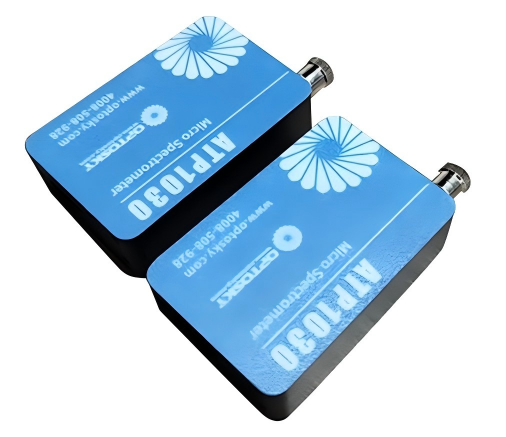
ATP1030 is an ultra‑compact, high‑resolution spectrometer covering 190–1100 nm. With a 1024‑pixel CMOS detector, adjustable integration time down to 1 ms, and USB‑powered design, it delivers reliable performance for applications like online water analysis, color measurement, handheld instruments, and Raman spectroscopy.
Product Recommendation | ATP1030 mini spectrometer Spectrometer

Vis-NIR transmission spectroscopy enables non-destructive identification of infertile duck eggs before incubation, achieving >95% accuracy. By detecting spectral fingerprints (e.g., 836 nm peak for fertile eggs), this method reduces energy waste and improves hatch rates, offering a low-cost, high-throughput solution for modern poultry farming.
Application case | How Spectral Technology is Transforming Duck Egg Farming