
Why Surface Water Parameters Measured by Spectroscopy
author: Susan
2022-01-04

Water quality measured in traditional analytical methods of Chemicals, Biosensors and physicals face obvious shortcomings. It takes longer cycle to measure and easier to cause twice environmental pollution by chemicals tool. Biosensors also have obvious shortcomings of low sensitivity and repeatability. It's more expensive to purchase chromatography and mass spectroscopy instruments, as well as need expert operator make complicated procedures. Then in resent years, the spectroscopy solution has become a popular hot trend to monitor water quality parameters at features of fast, accurate, traceable and clean.
Spectroscopy measure main 24 parameters to monitor surface water quality, and it is the clean technology widely applied to environmental industry.
Researchers also use Raman spectra and UV-VIS absorbance spectra data to co-analysis and obtain more accurate measurement results with advanced algorithm.
Principle: Raman Scattering Spectroscopy
Analyze the number of Raman spectral lines, Raman shift, and spectral line intensity and other parameters to provide scattered molecules and crystal structure information about the structure, can reveal the spatial arrangement and interaction of atoms. The frequency diagram of the Raman scattering spectrum can confirm the composition of the substance; the change of the Raman peak can detect the tension/stress of the substance; the polarization of the Raman can check the symmetry and orientation of the crystal; the width of the Raman peak can measure the quality of the crystal; Raman The peak intensity can check the total amount of the substance.
Spectroscopy setup to measure surface water:
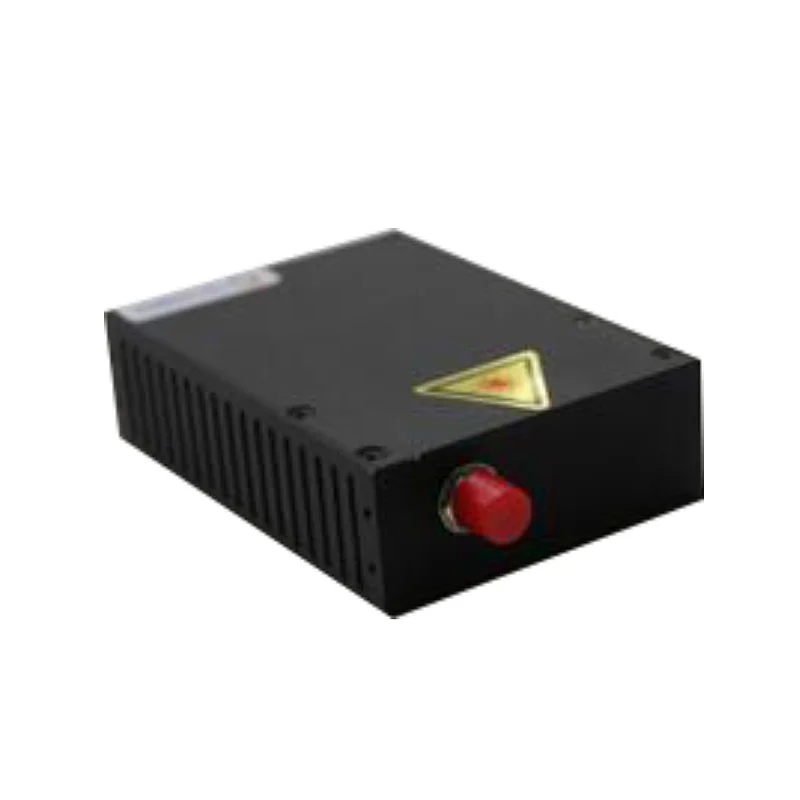
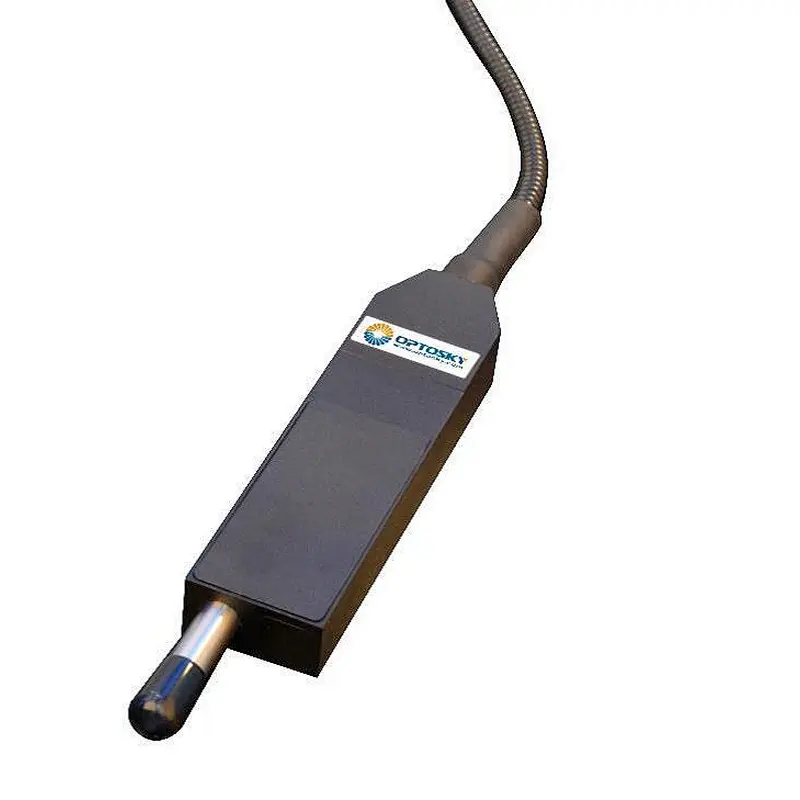
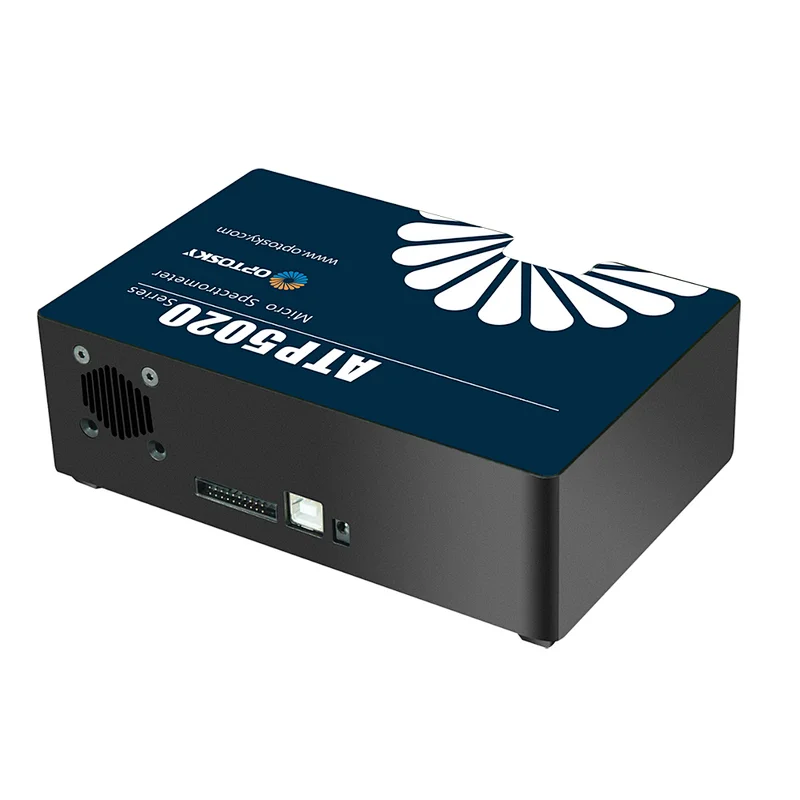
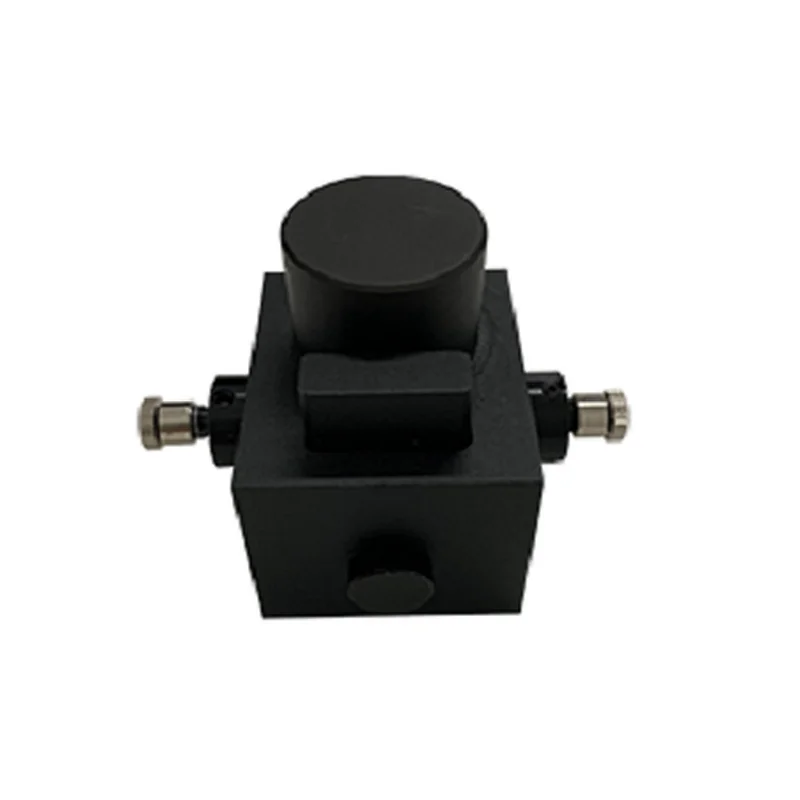
Raman scattering spectroscopy system, which mainly includes laser transmitters, probes, cuvettes, spectrometers and PC computers. The light source adopts ATR20202 manufactured by Optosky, its power is 600 mW, 785nm narrow linewidth laser. The probe uses ATR20105 high-performance Raman probe, which is suitable for Raman scattering spectrometer with 785nm excitation source. Can be used to test liquids, powders and bulk solids. The spectrometer uses ATP5020-785 Raman Micro spectrometer, which is a high-resolution spectrometer with a TEC cooled CCD detector. It has good thermal reliability and sweat-proof design, and is suitable for process monitoring and on-site inspection.
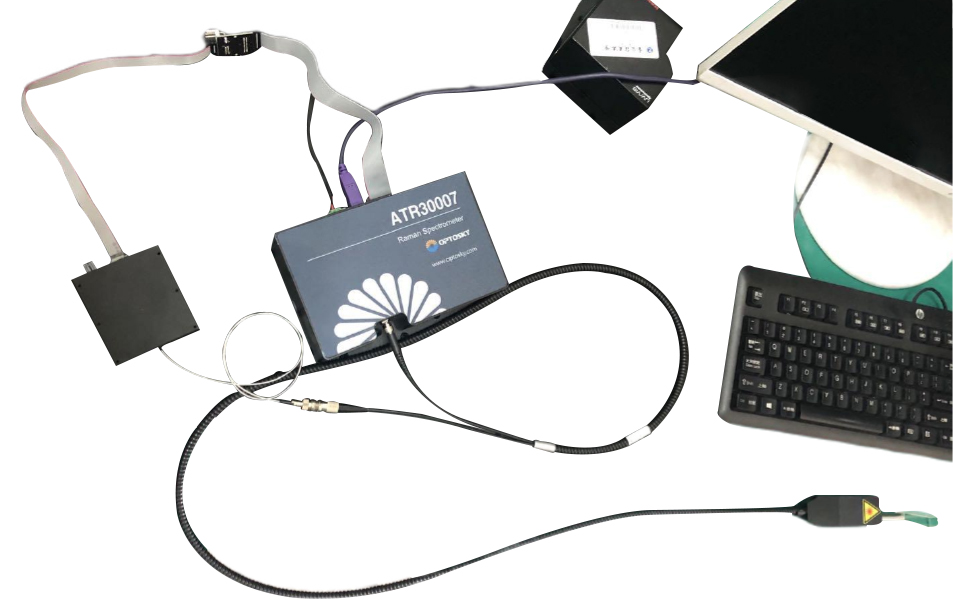 Figure 1 Raman Scattering Spectroscopy Water Quality Parameter Detection Experimental System
Spectroscopy measure main 24 parameters to monitor surface water quality, and it is the clean technology widely applied to environmental industry.
Researchers also use Raman spectra and UV-VIS absorbance spectra data to co-analysis and obtain more accurate measurement results with advanced algorithm.
Principle: Raman Scattering Spectroscopy
Analyze the number of Raman spectral lines, Raman shift, and spectral line intensity and other parameters to provide scattered molecules and crystal structure information about the structure, can reveal the spatial arrangement and interaction of atoms. The frequency diagram of the Raman scattering spectrum can confirm the composition of the substance; the change of the Raman peak can detect the tension/stress of the substance; the polarization of the Raman can check the symmetry and orientation of the crystal; the width of the Raman peak can measure the quality of the crystal; Raman The peak intensity can check the total amount of the substance.
Spectroscopy setup to measure surface water:
Raman scattering spectroscopy system, which mainly includes laser transmitters, probes, cuvettes, spectrometers and PC computers. The light source adopts ATR20202 manufactured by Optosky, its power is 600 mW, 785nm narrow linewidth laser. The probe uses ATR20105 high-performance Raman probe, which is suitable for Raman scattering spectrometer with 785nm excitation source. Can be used to test liquids, powders and bulk solids. The spectrometer uses ATP5020-785 Raman Micro spectrometer, which is a high-resolution spectrometer with a TEC cooled CCD detector. It has good thermal reliability and sweat-proof design, and is suitable for process monitoring and on-site inspection.
Test Result:
The Raman scattering spectroscopy uses Tiancheng ATP5020 to receive the Raman offset of the 785nm laser, and the measurement is shown in the Figure 2 and Figure 3, it can be seen that the Raman scattering spectrum of the same substance is not very different. This is because Raman light can only be qualitative, and each substance has a specific Raman scattering spectrum, which can be said to be the fingerprint spectrum of the substance. In other words, the change of the concentration will also cause the waveform of the Raman scattering spectrum to change, but this change is not proportional to the concentration value. The heavier the fluorescence of itself, the less obvious the spectrum.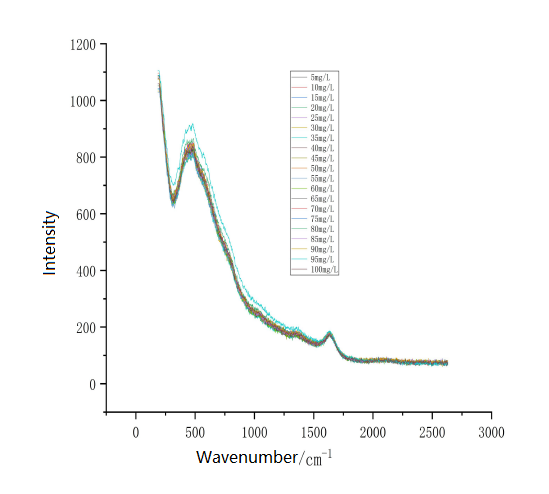
Figure 2 Raman scattering spectrum of COD
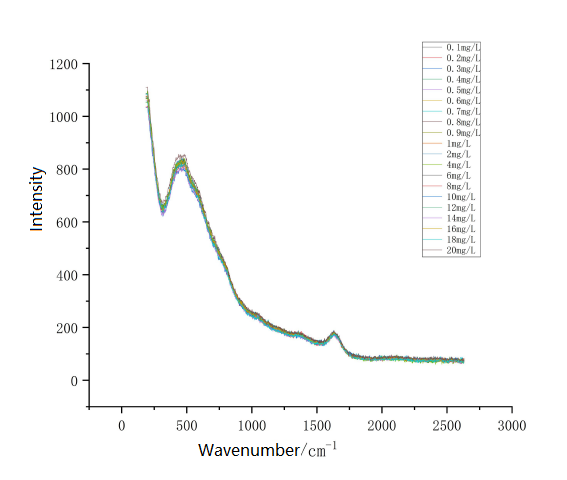
Figure 3 Raman scattering spectrum of NO3-N
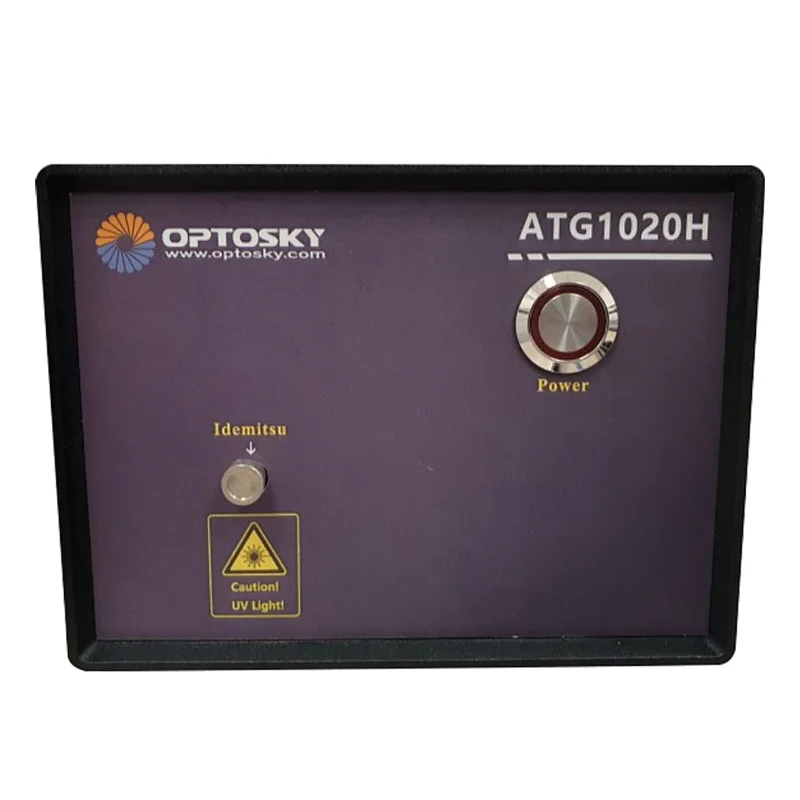
Deuterium and halogen light source ATG1020H 785 nm laser ATR20203 ATR20105 high-performance Raman probe
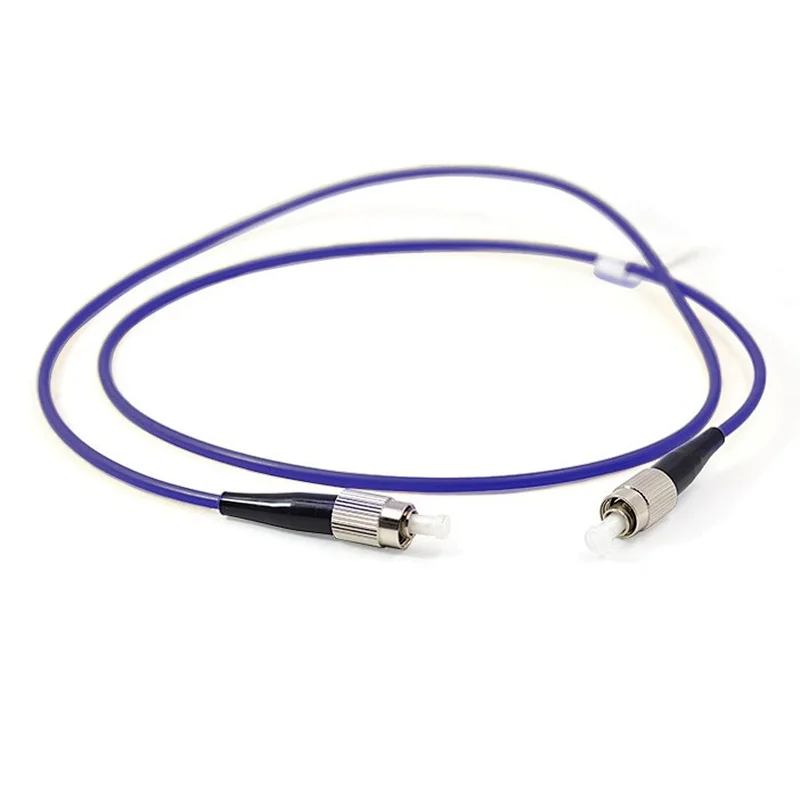
Spectrometer ATP5020 Cuvette ATP0080 Fibers
Related Articles:
The Raman scattering spectroscopy uses Tiancheng ATP5020 to receive the Raman offset of the 785nm laser, and the measurement is shown in the Figure 2 and Figure 3, it can be seen that the Raman scattering spectrum of the same substance is not very different. This is because Raman light can only be qualitative, and each substance has a specific Raman scattering spectrum, which can be said to be the fingerprint spectrum of the substance. In other words, the change of the concentration will also cause the waveform of the Raman scattering spectrum to change, but this change is not proportional to the concentration value. The heavier the fluorescence of itself, the less obvious the spectrum.
Figure 2 Raman scattering spectrum of COD
Figure 3 Raman scattering spectrum of NO3-N
Conclusion:
Therefore, studies have shown that it is best to choose ultraviolet-visible absorption spectroscopy to detect the content of substances in water quality, and use Raman scattering spectroscopy to detect the names of substances in water quality.
Related Products:Therefore, studies have shown that it is best to choose ultraviolet-visible absorption spectroscopy to detect the content of substances in water quality, and use Raman scattering spectroscopy to detect the names of substances in water quality.
Deuterium and halogen light source ATG1020H 785 nm laser ATR20203 ATR20105 high-performance Raman probe
Spectrometer ATP5020 Cuvette ATP0080 Fibers
Related Articles:
- “Research on Distribution Channels of Hach Company in China Market Based on Customer Relationship Management,”
- “Rapid oil detection technology and experimental research based on Raman spectroscopy,”
- “Spectral COD measurement method based on water sample type recognition,”

How to Perform Successful Rectal Surgery by Reflectance Spectroscopy
How to Detect COD by UV Spectroscopy
Related Article

The ATP7810 is a wide-band, high-resolution infrared grating spectrometer covering up to 0.9–5 μm. Featuring a motorized rotating grating, multiple detector options (InGaAs/MCT), and flexible interfaces (SMA905 or free space, USB/UART control), it delivers high SNR and stability for absorption/reflection/transmission spectroscopy, laser wavelength testing, and fiber optic sensing.
New Product Recommendation | ATP7810 Ultra-Wide Range Infrared Spectrometer Series

This study uses the ATP5200P UV-Vis spectrometer to investigate xanthate adsorption on chalcopyrite surfaces. By analyzing absorbance at 300 nm under controlled pH and temperature, the method optimizes flotation conditions for copper recovery, enabling real-time, sensitive detection of adsorption mechanisms in non-ferrous mineral processing.
Using the ATP5200P Spectrometer to Unravel Xanthate Adsorption and Separation Mechanisms
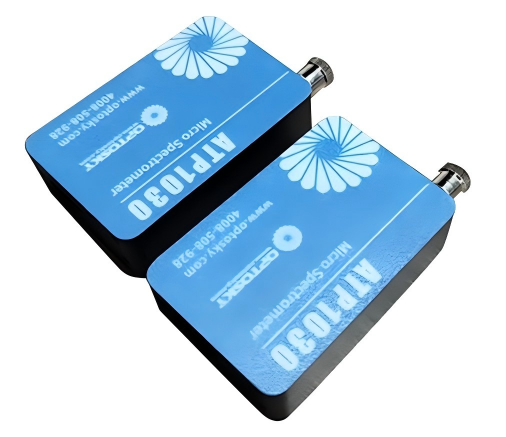
ATP1030 is an ultra‑compact, high‑resolution spectrometer covering 190–1100 nm. With a 1024‑pixel CMOS detector, adjustable integration time down to 1 ms, and USB‑powered design, it delivers reliable performance for applications like online water analysis, color measurement, handheld instruments, and Raman spectroscopy.
Product Recommendation | ATP1030 mini spectrometer Spectrometer

Vis-NIR transmission spectroscopy enables non-destructive identification of infertile duck eggs before incubation, achieving >95% accuracy. By detecting spectral fingerprints (e.g., 836 nm peak for fertile eggs), this method reduces energy waste and improves hatch rates, offering a low-cost, high-throughput solution for modern poultry farming.
Application case | How Spectral Technology is Transforming Duck Egg Farming